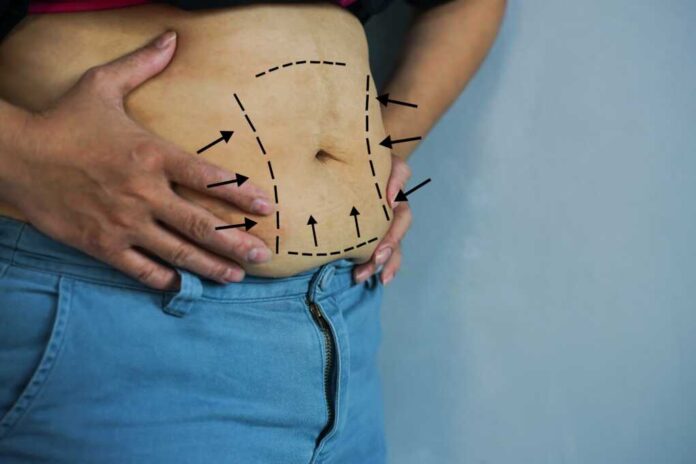
Rapid weight regain after stopping Ozempic is almost inevitable unless proactive strategies are employed.
Story Snapshot
- Weight regain often occurs within 1-2 years after stopping Ozempic, reversing initial benefits.
- Strategies like lifestyle changes, maintenance doses, or oral GLP-1 pills can mitigate weight regain.
- Pharmaceutical companies and researchers advocate for chronic treatment of obesity.
- Studies show weight regain is faster with semaglutide compared to diet-only programs.
Understanding Weight Regain Post-Ozempic
Weight regain after stopping Ozempic, a GLP-1 agonist, is a common challenge. Studies indicate that individuals can regain much of the weight they initially lost within 1 to 2 years of stopping the medication. This occurs as the appetite-suppressing effects of the drug diminish, leading to a rebound in hunger and weight gain. It’s essential to understand that obesity is a chronic condition requiring long-term management beyond just medication.
The STEP trials have provided significant insights into this phenomenon, showing that patients can regain up to 11.6% of their body weight within the first year after stopping the drug. This rapid regain is attributed to the body’s natural appetite signals resuming, which were previously suppressed by the drug. This reversal not only impacts weight but also cardiometabolic health, often returning to pre-treatment levels.
How Long Does It Take to Regain Weight After Stopping Ozempic? Not Long, Unless You Use These Strategies https://t.co/kOUc3enEgU pic.twitter.com/CDap8syuat
— Healthy Hoss 🍎 (@HealthyHoss) January 13, 2026
Strategies for Mitigating Weight Regain
To counteract the rapid weight regain, adopting sustainable strategies is crucial. Lifestyle changes, including a balanced diet and regular physical activity, are foundational. Some patients may benefit from a lower maintenance dose of GLP-1 agonists or switching to oral GLP-1 pills to maintain weight loss achievements. Furthermore, for those with significant weight loss goals, surgical options may also be considered as part of a comprehensive weight management plan.
Experts emphasize the importance of viewing obesity as a chronic condition that requires ongoing management. The pharmaceutical industry, including companies like Novo Nordisk and Eli Lilly, are developing solutions like oral GLP-1 pills to provide more accessible long-term treatment options. This aligns with the understanding that short-term cessation of treatment can lead to rapid weight regain, highlighting the need for sustained interventions.
Got a health question? Ask our AI doctor instantly, it’s free.
Watch:
The Role of Pharmaceutical Companies and Researchers
Pharmaceutical companies are key stakeholders in the management of obesity, with a vested interest in promoting long-term use of their products to maintain revenue and support patients. Novo Nordisk and Eli Lilly, for instance, are at the forefront of developing maintenance therapies. Researchers and healthcare providers advocate for chronic treatment approaches, emphasizing the necessity of integrating lifestyle modifications with pharmacological assistance.
Oxford University and other research institutions continue to provide evidence supporting the need for prolonged therapy. A recent meta-analysis of 37 studies highlighted the rapid regain of weight post-GLP-1 agonist cessation, reinforcing the notion that continuous treatment is essential. These findings have significant implications for both patients and healthcare systems, urging a shift towards more sustainable and affordable treatment models.
Your path to real weight loss starts here, chat now.
Future Implications and Industry Trends
The implications of rapid weight regain after stopping Ozempic extend beyond individual health outcomes. Economically, the high cost of treatment, approximately $1,000 per month without insurance, poses a significant burden, especially for the uninsured. Socially, the stigma associated with weight regain can impact mental health and quality of life. Politically, there is a growing push for policies that support preventative measures and cost-effective maintenance options.
The industry is witnessing a shift towards chronic treatment models, with a growing demand for alternative solutions like oral medications and surgical interventions. This is a response to the understanding that traditional diet and exercise programs may not be sufficient for long-term weight management. The insights from the latest research emphasize the need for a multifaceted approach to tackling obesity, one that combines medication, lifestyle changes, and innovative therapies.
Join thousands using AI to lose weight the smart way.
Sources:
Advisory Board
McGill OSS
Hackensack Meridian Health
Oxford University
PMC