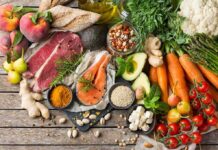
What researchers have consistently found across decades of nutritional studies is that fiber-rich whole foods—not supplements or isolated nutrients—emerge as the single most powerful dietary habit for preventing cancer.
Quick Take
- Thirty to forty percent of all cancers are preventable through dietary choices and lifestyle modifications alone
- Fiber-rich foods including whole grains, vegetables, fruits, and legumes reduce cancer risk by 20 to 50 percent compared to low-intake diets
- An overall healthy dietary pattern can lower cancer risk by 10 to 20 percent, with the strongest evidence supporting protection against colorectal cancer
- Cruciferous vegetables like broccoli and allium vegetables like garlic show particularly potent protective effects across multiple cancer types
The Fiber Finding That Changed Everything
For decades, researchers chased magic bullets—individual vitamins, antioxidants, and phytochemicals that might unlock cancer prevention. But a comprehensive analysis of over 200 studies revealed something simpler and more powerful: people who consumed the most fruits and vegetables had roughly half the cancer risk of those eating the least. The protective effect appeared across 128 of 156 studies examined, making it one of the most consistent findings in nutritional epidemiology.
The mechanism driving this protection centers on fiber. Each additional 10 grams of daily fiber reduces colorectal cancer risk by approximately 10 percent. Young women consuming the most fiber-rich diets showed 25 percent lower rates of breast cancer later in life. Fiber works by moving cancer-causing compounds through the digestive tract before they can cause damage, essentially cleansing the system from within.
Raw Vegetables and Cruciferous Powerhouses
Not all vegetables offer equal protection. Raw vegetables demonstrated protective effects in 85 percent of studies examining them specifically. Cruciferous vegetables—broccoli, cauliflower, kale, and Brussels sprouts—contain sulforaphane, a compound showing remarkable anti-cancer properties in laboratory research. Allium vegetables including garlic, onions, leeks, and scallions proved particularly potent for stomach and colorectal cancers, with some studies documenting up to 51 percent risk reductions.
Broccoli sprouts represent the densest known source of sulforaphane, making them a nutritional powerhouse worth incorporating regularly. Carrots, green vegetables, and tomatoes also demonstrated fairly consistent protective effects across multiple cancer types. The evidence suggests that variety matters—consuming multiple vegetable types daily provides broader protection than focusing on any single variety.
The Western Diet Problem
Cancer risk increases substantially with consumption patterns typical of Western diets. Obesity driven by nutrient-sparse foods like concentrated sugars and refined flour products creates impaired glucose metabolism leading to diabetes and increased cancer susceptibility. Red meat consumption and processed meat intake directly elevate cancer risk, while imbalanced omega-3 to omega-6 fat ratios compound the problem. These dietary patterns account for roughly 10 to 20 percent of cancer cases in Western populations.
The American Cancer Society recommends consuming at least 2.5 to 3 cups of vegetables and 1.5 to 2 cups of fruit daily. Yet most people fall well short of these minimums. Building meals around whole grains, legumes, nuts, and seeds—while limiting processed foods, added sugars, and unhealthy fats—creates an eating pattern that simultaneously prevents cancer, heart disease, and obesity.
What the Evidence Actually Shows
Whole grains demonstrate strong evidence for protecting against colorectal cancer specifically. Mediterranean dietary patterns rich in fruits, vegetables, and healthy fats like olive oil reduce risk for breast cancer and other common malignancies. Plant-based diets, particularly vegan diets excluding all animal products, show the lowest cancer rates of any dietary pattern studied. Vegetarians consuming dairy and eggs showed the next-lowest rates.
Importantly, no single food prevents cancer independently. The protective effect emerges from overall dietary patterns emphasizing plant foods over processed alternatives. Supplements and isolated nutrients have largely failed in clinical trials—the Alpha-Tocopherol, Beta-Carotene Study examining over 29,000 smokers found supplements ineffective and sometimes harmful. The synergistic compounds within whole foods, working together, provide protection that isolated nutrients cannot replicate.
Sources:
Preventing Cancer – The Nutrition Source – Harvard University
Nutrition and cancer: A review of the evidence for an anti-cancer diet
American Cancer Society Guideline for Diet and Physical Activity for Cancer Prevention
Diet & Cancer Risk | UT MD Anderson
AICR’s Foods that Fight Cancer
Plant power: Using diet to lower cancer risk
Cancer Prevention Diet: Choosing a Cancer Fighting Diet