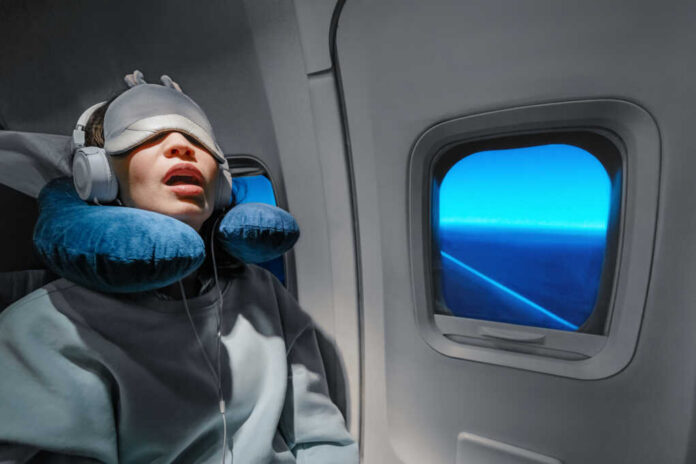
One night of lost sleep can make your immune system look biologically older and more inflamed—fast [5].
Story Snapshot
- A single 24-hour sleepless stretch shifted immune-cell profiles toward a pattern seen in obesity, a state tied to chronic inflammation [5].
- Reviews link chronic short sleep with higher inflammatory signaling and weaker immune responses [2][3].
- The sleep–immune relationship runs both ways, but consistent sleep stacks the odds in your favor [2].
- Public health training materials warn that sleep loss perturbs multiple branches of immunity [7].
Sleep Loss Rewires Immune Profiles Within Hours
Researchers reported that young, lean, healthy adults who stayed awake for 24 hours showed a striking shift in immune-cell composition, moving toward a profile observed in people with obesity, a condition marked by chronic low-grade inflammation [5]. That rapid change surprised even seasoned immunologists because obesity-related immune profiles usually emerge over months or years. If repeated, these shifts could plausibly nurture a background hum of inflammation that makes colds linger longer and chronic conditions harder to manage [5].
People notice more sniffles after run-them-into-the-ground weeks. The laboratory pattern now mirrors the lived experience: less sleep, more inflammatory tone, and a less disciplined immune patrol [5]. This does not prove that a single all-nighter triggers disease, but it clearly shows the immune system bending in the wrong direction in real time. For anyone who treats sleep as optional, the biology is flashing hazard lights, not mood lighting [5].
Chronic Short Sleep Primes Inflammation And Blunts Defense
Large reviews describe chronic sleep restriction as linked to increases in inflammatory messengers and reductions in certain protective immune activities [2][3]. Over time, that pattern correlates with higher risk for metabolic disease, cardiovascular strain, and slower recovery from illness [2][3]. Health systems such as a major university medical center echo these links, highlighting how insufficient sleep elevates inflammatory cytokines and erodes immune resilience [6]. These are not fringe claims; they reflect converging observations across controlled experiments and population studies [2][3][6].
Occupational health training from the National Institute for Occupational Safety and Health details how sleep loss perturbs multiple immune components, from front-line innate defenses to more specialized adaptive responses [7]. That breadth matters. If sleep trims both the first strike and the follow-up precision of immunity, even minor infections can become multi-day productivity drains. For citizens who prize personal responsibility, restoring nightly sleep is a low-cost, high-yield lever to protect health without waiting on a prescription [7].
Bidirectional Biology Demands Clear Thinking, Not Complacency
Scientists describe the sleep–immune connection as bidirectional: immune activation can disrupt sleep, and sleep disruption can skew immunity [2]. That nuance tempers simplistic headlines and warns against blaming every immune change on sleep alone. Confounders such as circadian disruption, shift work, and hidden illness can shape the data [3]. Still, the practical conclusion holds: when controllable, consistent sleep supports steadier immune balance, and chaotic sleep invites noise and drift in the system’s settings [2][3].
One simple habit has quietly shaped how strong my immune system stays over time.
Sleep.
Consistent 7–9 hours of quality sleep supports immune cell repair, hormone balance, inflammation control, and the body’s ability to respond to infections. Poor sleep, even for a few nights,… https://t.co/wIor5Cq6IX
— DietByte (@MOlasehind35425) May 24, 2026
Policy advocates sometimes leap from biomarkers to scare stories about inevitable disease. That overreach deserves pushback. The fair reading is narrower and more useful: measurable immune shifts occur quickly with sleep loss [5], and long-term short sleep tracks with more inflammation and weaker defense [2][3][6][7].
What To Do Tonight To Tilt Your Immune Scales
Anchor wake time, even after a rough night, to realign your body clock and speed recovery sleep the next night [3]. Cut caffeine after midday and dim screens 60–90 minutes before bed to reduce circadian confusion that can masquerade as insomnia-driven immune churn [3]. Cool, dark, and quiet bedrooms lower arousal and promote deeper stages tied to immune memory consolidation [2]. If you work nights, protect a consistent daytime sleep window and use morning light strategically to stabilize rhythms that shape immune timing [7].
Track outcomes you care about: how often you catch colds, how long they last, and how sore or swollen you feel after hard weeks. Treat those as your personal immune dashboard. If sleep upgrades reduce sick days, the data just voted. The lab literature points the same way: one bad night bends the curve; a run of good ones straightens it [2][3][5][7]. You would not skip oil changes and expect an engine to purr. Your immune system runs on sleep in the same plainspoken way.
Sources:
[2] Web – Sleep and Immune System Crosstalk: Implications for Inflammatory …
[3] Web – Role of sleep deprivation in immune-related disease risk and … – PMC
[5] Web – One day of sleep deprivation can alter your immune system and …
[6] Web – 4 ways poor sleep affects your immune system | UCLA Health
[7] Web – Module 2. Sleep and the Immune System | NIOSH – CDC