What if a one-minute scan could save your foot from amputation, but the medical establishment only just got around to letting doctors use it?
At a Glance
- One-minute foot ultrasound scans are now being piloted to rapidly assess blood flow and identify risk of peripheral artery disease (PAD) before it leads to amputation.
- Portable, AI-powered ultrasound devices are making these scans accessible in everyday clinics, not just specialty hospitals.
- Healthcare providers and industry insiders tout the technology as a cost-saving, life-changing advance, but rollout and training hurdles remain.
- Early detection of PAD through these rapid scans could dramatically cut limb loss, especially among diabetics and the elderly.
Efficient, Accurate, and Non-Invasive: The Foot Scan Revolution
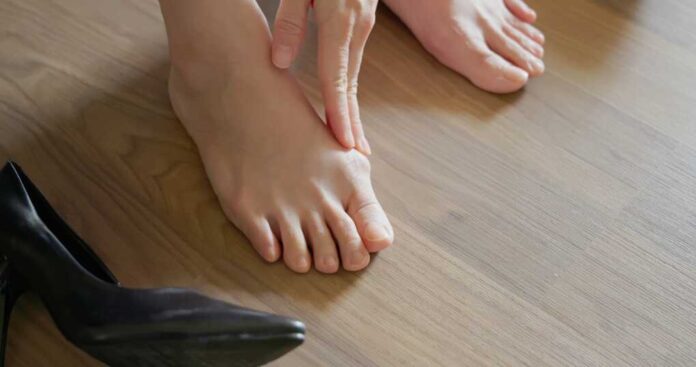
Medical researchers and clinicians have finally begun piloting a foot scan that takes less than a minute and could prevent thousands of amputations every year. This technology, decades in the making thanks to advances in portable and AI-powered ultrasound, is showing that the old ways—waiting until symptoms are obvious, relying on slow, expensive diagnostics—are as outdated as dial-up internet. These new devices, small enough to fit in the palm of your hand and smart enough to analyze images instantly, are being tested in clinics across the country and are making waves among podiatrists and vascular specialists. The early results? Rapid, non-invasive assessment of blood flow in the foot is possible, painless, and—here’s the kicker—could have been standard of care years ago if common sense had prevailed in the halls of government and big medicine.
Unlike the bureaucratic nightmares of the past, this diagnostic breakthrough doesn’t require a referral to a specialist, a trip to a hospital, or an afternoon spent in a waiting room. One scan, one minute, and doctors know if you’re at risk for PAD—a condition that leads to ulcers, infections, and, all too often, the kind of amputations that cost taxpayers billions and ruin lives. If you have diabetes, if you’re elderly, or if you simply want to know you’re not ticking toward a medical time bomb, this scan is the sanity we’ve all been waiting for.
Stakeholders, Gatekeepers, and the Fight for Widespread Access
Doctors, podiatrists, and even nurses on the front lines are eager for tools that actually work—tools that don’t require a PhD to use or a blank check to buy. The push for these rapid foot ultrasounds comes not from government panels or insurance company bean-counters, but from those who see the devastation caused by PAD and diabetes every single day. Device makers, for once, are on the right side of history: they’re building smaller, cheaper, and smarter scanners, integrating AI to reduce human error and automate diagnosis. Even healthcare systems and payers—yes, the same ones always moaning about costs—see the bottom-line benefits. Prevent one amputation, save tens of thousands in hospital bills and rehab. It’s almost like someone finally did the math.
But, naturally, there are still obstacles. Regulatory agencies, always a few years behind reality, are dragging their feet on universal approval and guideline changes. Medical societies are cautiously updating training requirements, but the pace is glacial. And as always, the power brokers in healthcare—administrators, policymakers, those faceless suits—are slow to allocate resources for something that isn’t yet “standard.” The good news? Early adopters in podiatry and vascular clinics are proving that it works, and the tide is turning, albeit at the usual, infuriating crawl.
Impact: Hope for Patients, Savings for Everyone, and a Shot at Sanity in Healthcare
The short-term benefits are obvious and enormous. Faster diagnosis means earlier intervention, fewer amputations, and less suffering for those most at risk—especially older Americans and people with diabetes. Patients get a painless, quick scan instead of a battery of expensive, invasive tests, and frontline providers are finally empowered to make real decisions, not just referrals. In the long run, this could mean a seismic shift in how we handle chronic disease: more preventive care, fewer hospitalizations, and lower costs for everyone.
But perhaps the biggest impact is psychological. For too long, healthcare “innovation” has meant new ways to shuffle paperwork or bill insurance, not real advances that change lives. This one-minute foot scan is different. It’s proof that with the right blend of technology and common sense, we can outsmart the bureaucracy, cut costs, and actually help people before disaster strikes. Maybe, just maybe, it’s a sign that the era of government overreach, top-down mandates, and endless waste is finally on the run—replaced by real solutions, delivered quickly, and grounded in the values of efficiency, personal responsibility, and compassion for those who need it most.