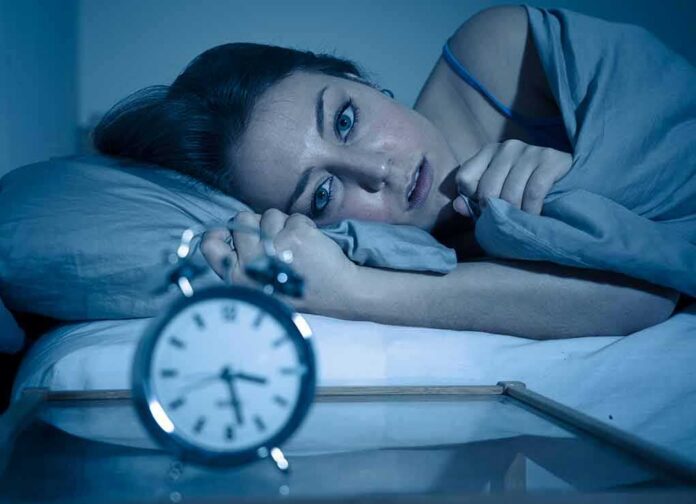
People who sleep well may cut their risk of liver cancer by more than a third, according to a massive new analysis of UK health data.
Quick Take
- A study of 472,105 adults in the UK Biobank linked healthy sleep patterns to lower rates of liver and lung cancer.
- Researchers built a sleep score from five traits: duration, chronotype, insomnia, snoring, and daytime sleepiness.
- A separate blood-protein analysis found 303 proteins tied to sleep that lined up with lower risk for six other cancers.
- The findings show a link, not proof that fixing your sleep habits prevents cancer.
A Massive Dataset Points To A Familiar Habit
Researchers pulled data from 472,105 people enrolled in the UK Biobank, one of the largest health databases in the world. That scale lets scientists study rare cancers with real statistical muscle. Instead of just asking how many hours people slept, the team built a composite score covering five sleep habits at once: duration, chronotype, insomnia, snoring, and daytime sleepiness.
Participants landed in one of three buckets: healthy sleep, intermediate sleep, or poor sleep. That grouping let researchers compare the best sleepers against the worst and track who developed cancer over years of follow-up. The approach treats sleep as a full pattern of behavior rather than a single number on a clock.
The standout numbers came from two organs. Compared with poor sleepers, people with healthy sleep had a 36 percent lower risk of liver cancer and a 14 percent lower risk of lung cancer. In hard numbers, that is a hazard ratio of 0.64 for liver cancer and 0.86 for lung cancer, both statistically meaningful results in a dataset this large.
Blood Proteins Add A Biological Layer
Researchers did not stop at questionnaires. They identified 303 plasma proteins that formed a distinct sleep-related signature in participants’ blood. People whose protein profile best matched the healthy sleep pattern showed lower rates of cancer across several organs tied to digestion and breathing.
The protein-based results were striking. Esophageal cancer risk dropped 35 percent, stomach cancer 54 percent, colorectal cancer 28 percent, liver cancer 71 percent, gallbladder cancer 54 percent, and pancreatic cancer 53 percent when comparing the top and bottom thirds of the sleep-protein score. A separate peer-reviewed paper in the journal Sleep backed up the broader framework, reporting that people with the highest sleep scores had roughly half the lung cancer risk of those with the lowest.
Finding a biological fingerprint in blood matters because it suggests sleep habits connect to real changes inside the body, not just a coincidence in survey answers. It gives researchers a trail to follow, linking a bedtime habit to a measurable biological signal tied to tumor growth.
What The Numbers Can And Cannot Tell Us
This is an observational study. Researchers tracked people over time and noted patterns, but they did not run an experiment where some people were ordered to improve their sleep while others were not. That means the data shows a strong link, not direct proof that fixing your sleep habits causes a cancer risk drop. Separating cause from coincidence still takes more work, including trials that test real interventions.
Most of the headline results centered on liver and lung cancer from the sleep score, while the wider list of cancers tied to the protein score came from a different kind of measurement entirely. Treating all of these results as one blanket “sleep cures cancer” message stretches the evidence further than the data itself goes.
The UK Biobank itself carries a known limitation: its volunteers tend to be healthier, wealthier, and more educated than the general population. That does not erase the sleep-cancer link found here, but it does mean the exact numbers might shift in a more diverse population. Other UK Biobank sleep research, including a colorectal cancer study using wearable trackers, found weaker results once researchers adjusted for other factors, a reminder that sleep science is still filling in its gaps.
For readers over 40 juggling work stress, screen time, and restless nights, the practical takeaway is simple and sensible regardless of pending research: consistent, quality sleep supports the body’s defenses. Nobody needs a hazard ratio to tell them exhaustion is bad for health. This study adds real weight behind that common-sense instinct, even as scientists keep digging for the full explanation.
Sources:
link.springer.com, pubmed.ncbi.nlm.nih.gov, academic.oup.com