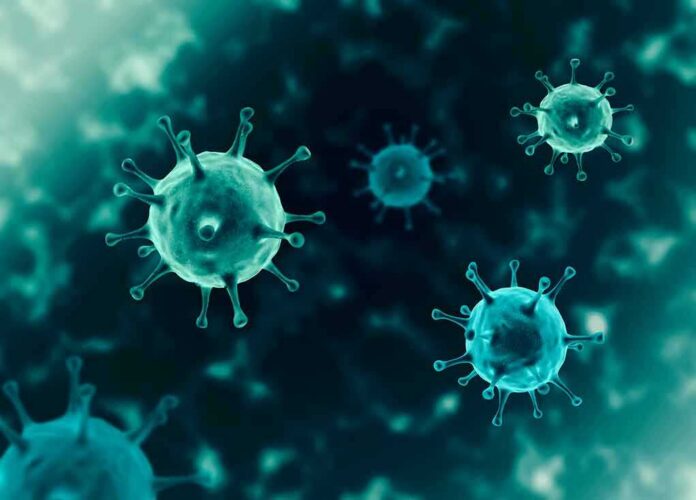
Scientists have found the exact molecular door that lets a common gut bacteria toxin break into colon cells and set off damage linked to cancer, solving a mystery that has puzzled researchers for 15 years.
Quick Take
- Johns Hopkins Medicine researchers identified claudin-4 as the receptor that a toxin from Bacteroides fragilis bacteria uses to attack colon cells.
- The toxin breaks a protein called E-cadherin, which normally holds colon cells tightly together, triggering inflammation and extra cell growth.
- A lab-made decoy protein blocked the toxin from binding real cells and protected mice from tissue damage.
- The discovery explains a damage mechanism, not proof that the bacteria causes cancer in every person who carries it.
A 15-Year Mystery Finally Solved
For over a decade, scientists knew that a toxin made by Bacteroides fragilis, a bacterium common in the human gut, was linked to colon damage and cancer risk. What they could not explain was how the toxin actually got inside colon cells in the first place. A new study from Johns Hopkins Medicine, published in the journal Nature, says it has finally found the answer.
Researchers ran a genome-wide screening test using gene-editing tools to search every possible entry point the toxin might use. That search pointed to one protein: claudin-4, found on the surface of colon cells. The study’s authors identified claudin-4 as the receptor the toxin needs to latch onto and do its damage.
How the Toxin Breaks Into Cells
Once the toxin, known as BFT, grabs onto claudin-4, it cuts apart another protein called E-cadherin. E-cadherin normally acts like glue, holding colon cells tightly together to form a protective barrier. When that glue breaks, the barrier weakens, inflammation rises, and nearby cells start multiplying faster than normal, conditions scientists have long tied to cancer growth.
When researchers removed claudin-4 from lab-grown cells, the toxin could no longer attach itself at all. Without that attachment, the entire chain of damage never started. The finding confirmed claudin-4 is not just linked to the process but required for it, giving scientists a clear target to try to block.
A Decoy Protein Blocks the Attack
Armed with that target, the Johns Hopkins team built a soluble protein that mimics claudin-4’s shape without being attached to a cell. The idea was simple: give the toxin something harmless to grab instead of a real cell. In lab and animal testing, the toxin bound the decoy protein rather than the colon tissue it normally attacks.
When mice were exposed to the toxin alongside the decoy, they were protected from the tissue damage that normally follows. Researchers called the result a successful proof-of-concept, showing the decoy strategy worked to shield animal tissue from toxin-driven harm in a controlled lab setting.
What the Discovery Does Not Yet Prove
The mouse experiments showed protection from tissue damage, not proof that the decoy stops cancer from forming. Researchers have not yet tested whether blocking claudin-4 prevents tumors over time, and the study does not show that every person carrying Bacteroides fragilis will develop colon cancer. Further testing is needed before any treatment reaches people.
That gap fits a broader pattern seen in prior research. A 2022 review of existing studies found that most backed a link between this toxin-producing bacteria and colorectal cancer, but also found notable bias and inconsistent methods across the research. A more recent analysis found colorectal cancer patients were more likely to carry the bacteria, with an odds ratio of 2.54, a measure of association rather than direct proof of cause.
Scientists finally discover how a common gut bacterium can trigger colon cancer. Bacteroides fragilis toxin damages the colon lining, drives inflammation and promotes tumors, Johns Hopkins found. https://t.co/RLey3dmIpa
— Drew Grimaldi (@Grimillionaire) October 31, 2026
Why the Finding Still Matters
Finding the exact receptor gives researchers a specific, testable target instead of a vague bacterial suspect. That matters for a disease where early detection and prevention save lives, and where gut bacteria have drawn growing scientific interest as a possible risk factor. The next steps include testing the decoy in human tissue and longer-term animal studies tracking actual tumor growth.
Coverage of the study has sometimes framed it as explaining how the bacteria “triggers” cancer outright, language stronger than what the lab results directly show. The research nails down a damage mechanism and an early protective strategy in mice. Whether that translates into a human treatment or prevention tool remains an open question researchers are actively pursuing.
Sources:
sciencedaily.com, hopkinsmedicine.org, pubmed.ncbi.nlm.nih.gov, newsweek.com, pmc.ncbi.nlm.nih.gov