The smallest cancer cells in a tumor may be the ones doctors should fear most.
Quick Take
- Researchers found that smaller tetraploid cancer cell clones grew faster and spread more than their larger counterparts.
- Some of these cells measured 25 to 30 percent smaller than expected, yet formed more aggressive tumors.
- The smaller cells showed more tolerance to common anti-cancer drugs and cell-stress treatments.
- Earlier cancer research already links cell size changes and extra chromosome sets to tumor survival and drug resistance.
A Size Difference Nobody Expected
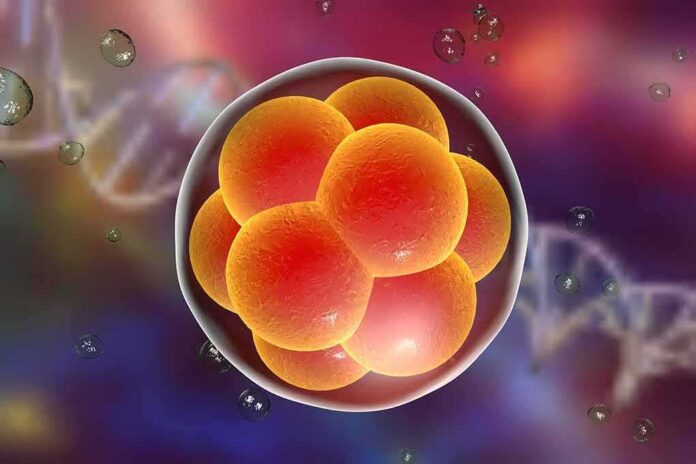
Scientists studying tetraploid cancer cells, which carry double the normal set of chromosomes, expected size to track with danger. Bigger usually means more genetic material and more potential for chaos. Instead, researcher Bloomfield and the team found the opposite. The smaller clones, not the larger ones, formed tumors that grew faster and invaded surrounding tissue more aggressively, according to the October 2026 report.
Bloomfield summed up the finding bluntly: smaller clones grow faster, invade more, and tolerate common anti-cancer and stress-inducing drugs better than their larger relatives. That combination, speed plus drug tolerance, is exactly what oncologists dread in a tumor. A cell that multiplies quickly and shrugs off chemotherapy is a much harder target than one that simply grows large and slow.
Why Smaller Can Still Mean More Dangerous
The size gap was not small. Some of these tetraploid cells measured 25 to 30 percent smaller than researchers anticipated. That is a meaningful shrink for a cell carrying a full extra genome. The finding challenges a simple assumption that bigger, bulkier tumor cells automatically carry more risk. Here, shrinking appeared tied to a leaner, more mobile, and more treatment-resistant version of the same cancer cell lineage.
Tumors built from these smaller cells also grew more quickly overall compared to tumors built from larger tetraploid cells. That pattern matters because tumor growth speed often predicts how aggressively a cancer will spread and how little time doctors have to intervene. A faster-growing tumor gives physicians a shorter window to catch it before it reaches other organs.
The Bigger Scientific Pattern Behind the Finding
This result fits inside a well-documented area of cancer biology. Scientists have long known that polyploid cancer cells, those with extra chromosome sets, can survive chemotherapy and radiation better than normal cells. A 2024 review described these cells as using their extra genetic material almost like a reserve strategy, allowing some to survive brutal treatments and later repopulate a tumor.
Older research backs up the idea that size can shift dramatically after cancer cells undergo stress. One study found that radiation could trigger polyploid tumor cells to divide down into smaller daughter cells, some nearly indistinguishable in size from untreated normal cells. That earlier work gives this new small-cell finding a plausible biological backstory rather than leaving it as an isolated oddity.
What Remains Unsettled, and Why It Matters
Not every polyploid cancer cell behaves this way. Research shows many of these oversized cells actually fail to divide properly and die off, while only some manage to shrink and thrive. That matters because it stops this discovery from becoming a blanket rule. Not every small cancer cell is a ticking time bomb, but this subset clearly deserves closer attention from researchers and clinicians.
The practical challenge now is translation. Hospitals do not currently run a standard test that flags these specific small, drug-tolerant tetraploid cells in a biopsy. Until that kind of diagnostic tool exists, this discovery stays mostly in the research lab rather than the exam room. That is the natural next step, and it is one worth watching closely given how much is riding on catching aggressive cancers early.
Sources:
sciencedaily.com, ncbi.nlm.nih.gov