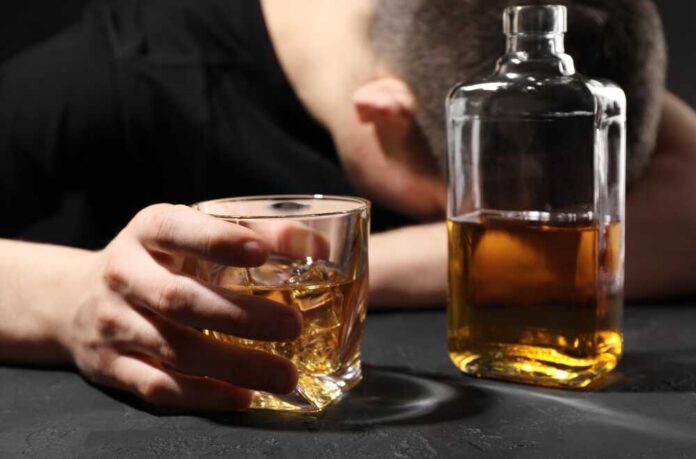
Alcohol from last night’s big outing nearly doubles your body’s inflammatory response during hot workouts the next day, turning recovery into potential sabotage.
Story Snapshot
- New research reveals prior alcohol intake amplifies inflammation nearly 2x in heat-stressed exercise.
- Hot yoga, saunas, or heated gyms pose heightened risks after drinking due to compounded dehydration and fatigue.
- Experts recommend skipping strenuous heat workouts for 24-48 hours post-drinking to avoid injury and heart strain.
- Common “sweat it out” myth debunked; prioritize hydration and rest over intense sessions.
New Research Quantifies Heat-Exacerbated Inflammation
Researchers documented that alcohol consumed the previous evening nearly doubles inflammatory markers during exercise in hot conditions. This spike exceeds typical post-drinking effects seen in cooler environments. Hot workouts like yoga in 100-degree studios or sauna HIIT trigger excessive fluid loss through sweat, layering atop alcohol’s diuretic action. Dehydration persists into the next day, elevating cortisol while suppressing testosterone and muscle repair. Fitness enthusiasts chasing trends overlook this volatile mix.
Physiological Mechanisms Amplify Post-Drinking Risks
Alcohol impairs muscle protein synthesis and balance, raising heart rate and blood pressure during activity. In heat, sweat rates soar, worsening dizziness and coordination loss. Dr. Boling notes these factors increase fall and strain injuries. Dietitian Jenaed Brodell explains the body prioritizes clearing alcohol toxins over rebuilding tissue. Heavy drinking’s effects linger 24-48 hours, peaking the morning after with fatigue that heat intensifies. Trainers report personal injuries from ignoring these signals.
Expert Consensus Urges 24-48 Hour Workout Delays
Medical professionals advise avoiding strenuous exercise, particularly in heat, for at least a day after heavy drinking. Light walks suit mild hangovers, but heated environments demand full rest. Heart rhythm irregularities persist up to 48 hours, per studies. Fitness platforms like mindbodygreen, Healthline, and Medical News Today align on this caution, citing peer-reviewed data. Personal trainers echo: baseline recovery first, then resume.
Gym-goers in popular hot classes face peak vulnerability the day after nights out. Party demographics blend social drinking with wellness trends, inviting mishaps. Broader precedents include reduced performance and tightness leading to pulls.
Short-Term Injuries and Long-Term Fitness Stalls
Injuries manifest immediately as falls from impaired balance or strains from tight muscles. Hangovers worsen with heat-induced nausea. Performance dips include fatigue and poor coordination, derailing sessions. Long-term, habitual patterns stall muscle gains and foster chronic fatigue. Cumulative heart stress builds over time. Economic costs rise from medical visits and missed gym time. Socially, this challenges the “sweat it out” folklore, nudging toward recovery-centric habits that align with disciplined, sustainable fitness.
The fitness sector may respond with recovery programming, while alcohol marketing in wellness spaces draws scrutiny. Affected communities span young adults to dedicated athletes in heated venues.
Practical Strategies Honor Body’s Recovery Timeline
Prioritize hydration and nutrition to clear toxins faster. Schedule light activity only after symptoms fade, steering clear of heat. Gym owners and apps can promote “rest days” post-social events. Individual variability exists—heart risks vary—but data supports caution. This approach embodies values of personal responsibility and evidence-based choices, avoiding shortcuts for real progress.
Sources:
https://www.medicalnewstoday.com/articles/working-out-after-drinking
https://kanefootwear.com/blogs/kane-blog/should-you-exercise-hungover
https://www.healthline.com/health/fitness/drinking-after-workout