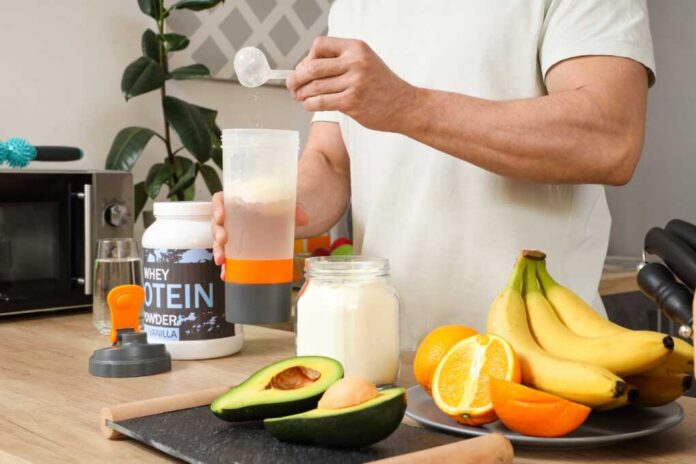
Protein shakes torch fat faster than you think when registered dietitians deploy them as precision tools, not lazy meal swaps—but one fatal mistake dooms most dieters to rebound weight gain.
Story Snapshot
- RDs reject full meal replacement; shakes work best as strategic snacks bridging hunger gaps between meals.
- Distribute 25-30g protein evenly daily via shakes to preserve muscle and boost metabolism during calorie cuts.
- Bulk shakes with fiber, fats, and greens for lasting fullness; bare powder fails within 45 minutes.
- Sip slowly over 15-20 minutes to trigger brain’s satiety signals, mimicking solid food effects.
- Long-term success demands whole-food integration; over-reliance risks nutrient gaps and regain.
Protein’s Metabolic Edge Drives Weight Loss
Protein boasts a thermic effect of 20-30 percent, far outpacing carbs at 5-10 percent or fats at 0-3 percent. The body burns extra calories digesting it. Higher intake preserves lean muscle during deficits, keeping metabolism revved since muscle burns more energy than fat. Protein curbs hunger hormones, slashing cravings for sustainable deficits. This foundation elevates shakes from bodybuilding relics to weight loss weapons. RDs harness these traits strategically.
Strategic Snacking Beats Meal Replacement
Registered dietitians direct clients to sip shakes as high-protein snacks between meals. Light lunches stretch to late dinners, breeding evening binges. A 25-30g shake mid-afternoon nips that overhang. Studies confirm even distribution outperforms protein dumps at dinner. One shake delivers the ideal dose effortlessly. This timing sustains energy without derailing whole-food meals.
Formulate Shakes for Maximum Satiety
Daniel Chavez, RD, specifies shakes with under 5g added sugar, 20g+ protein, and short lists of whey, casein, or pea sources. Plant blends like pea-rice ensure complete amino acids. Mix powder with water alone? Hunger rebounds in 45 minutes. Add berries for fiber, nuts for fats, greens for bulk. These slow digestion, mimicking meals. Bariatric centers echo: start with unsweetened almond milk or water, toss in leafy greens. Results? Studies show 1.7 times more fat loss versus high-carb plans.
Mindful Habits and Base Choices Optimize Results
Sip shakes over 15-20 minutes; gulping skips fullness cues. Spoon thick smoothies to mimic chewing. Water or unsweetened nut milks form low-calorie bases—skip juice or sweetened varieties sabotaging deficits. A 2020 review pegs 35g+ protein doses as satiety kings, crushing hunger best. Mayo Clinic warns against permanent replacements; healthy diets rarely need shake extras. Short-term, low-sugar shakes boost calorie cuts in programs.
The Best Strategy for Losing Weight With Protein Shakes, According to RDs https://t.co/G8SphzLmNV pic.twitter.com/ubKSC42A4j
— Healthy Hoss 🍎 (@HealthyHoss) April 26, 2026
Short-Term Wins Meet Long-Term Realities
A 2017 study linked low-sugar shakes to superior weight loss in dieters. High-protein groups shed more fat, preserved muscle, dodged metabolic crashes. Post-loss, 25-30g per meal curbs regain for 3-12 months. Busy folks gain portability; obese populations see tailored benefits. Yet long-term data gaps persist beyond year one. Whole-food purists rightly flag supplement overkill missing micronutrients. Full lifestyle commitment seals sustainability.
Sources:
Protein Shakes for Weight Loss: How to Use
Protein Shakes for Weight Loss
Healthline: Protein Shakes Weight Loss
NJ Bariatric Center: Protein Shakes and Weight Loss