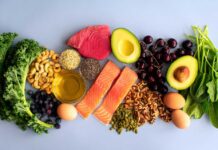
A growing movement of mothers is discovering that the antidote to postpartum overwhelm might be waiting just outside their front door, not in a prescription bottle.
Story Snapshot
- Nature exposure offers immediate stress relief and mood restoration for postpartum mothers through “soft fascination” and sensory engagement
- Hospital therapeutic gardens and 40-day retreat traditions are merging ancient wisdom with modern ecotherapy research
- A 2023 study of 30 mothers identified six key wellbeing themes linking nature to postnatal mental and physical recovery
- Wellness entrepreneurs are building businesses around nature-inspired postpartum meals, botanicals, and healing philosophies
The Science Behind Natural Postpartum Restoration
Attention Restoration Theory provides the scientific backbone for why stepping outside works when new mothers feel trapped indoors. The concept of “soft fascination” explains how natural environments restore depleted mental energy without demanding focused attention. Trees swaying, birds chirping, and changing light patterns engage the mind gently, allowing directed attention systems to recover. For mothers navigating sleep deprivation and constant infant demands, this restoration happens almost immediately. Research participants described the sensation as “energy coming back” after even brief outdoor exposure, contrasting sharply with the oppressive feeling many experience confined to home with a newborn.
The physiological benefits extend beyond mental clarity. Postpartum bodies face nutrient deficits, hormonal upheaval, and tissue repair demands that indoor environments cannot adequately address. Natural light regulates circadian rhythms disrupted by nighttime feedings. Fresh air and temperature variation stimulate systems dulled by climate-controlled homes. The sensory diversity of outdoor settings activates multiple healing pathways simultaneously, a complexity that clinical interventions struggle to replicate. These mechanisms align with historical traditions that understood recovery required more than rest alone.
Ancient Wisdom Meets Modern Motherhood
Ayurvedic and Chinese medicine traditions prescribed 40-day postpartum retreat periods emphasizing warmth, nourishment, and intentional withdrawal from daily stressors. These practices recognized what contemporary research now confirms: the postnatal window demands intensive support for lasting health outcomes. Modern adaptations maintain core principles while accommodating Western lifestyles. Businesses like Restorative Roots translate traditional postpartum meal wisdom into deliverable services, bridging cultural knowledge gaps for isolated mothers. The philosophy centers on viewing recovery not as medical treatment but as sacred time requiring community protection and natural rhythm alignment.
Hospital systems are incorporating these insights through therapeutic garden installations. Legacy Emanuel Medical Center’s “A Nature Place” garden, recognized by the 2012 Nature Sacred Awards, provides laboring and postpartum families with accessible green space. Horticultural therapist Teresia Hazen champions these environments as alternatives to highly medicalized birth experiences, creating calm retreats that reduce stress markers for entire families. The gardens function simultaneously as healing spaces and research laboratories, generating data on nature’s quantifiable health impacts during vulnerable life transitions.
Six Pathways to Postnatal Wellbeing
The 2023 qualitative study revealing mothers’ experiences identified six distinct themes connecting nature exposure to recovery outcomes. Sensory wellbeing emerged as primary, with participants describing heightened awareness of sounds, textures, and visual beauty that interrupted rumination cycles. Perspective shifts occurred when outdoor settings provided physical and psychological distance from household pressures, enabling problem-solving breakthroughs impossible indoors. Human connection improved as nature walks facilitated encounters with others or created bonding opportunities with infants in neutral environments rather than within home tensions.
Emotional regulation benefits appeared consistently across socioeconomic backgrounds, though access barriers limited some groups. Mothers reported nature functioning as informal therapy, buffering against postnatal depression development through repeated exposure rather than single interventions. Joy and creativity resurged after outdoor time, countering the numbness many experience postpartum. These findings validate both individual testimonies and broader ecotherapy research, though investigators acknowledge the need for large randomized controlled trials to satisfy clinical standards.
Barriers and Implementation Challenges
Despite documented benefits, significant obstacles prevent universal adoption of nature-based postpartum interventions. Socioeconomic factors limit access to safe green spaces for urban and low-income mothers. Physical recovery constraints make outdoor excursions difficult immediately post-birth. Weather extremes, lack of childcare for siblings, and cultural norms discouraging early maternal activity compound these challenges. Some researchers debate whether benefits stem from nature itself or simply escape from stressful indoor environments, though mothers’ consistent reports of specific sensory engagement suggest inherent environmental properties matter.
Healthcare systems face institutional hurdles integrating nature prescriptions into standard postpartum care protocols. Insurance reimbursement structures favor pharmaceutical and clinical interventions over lifestyle recommendations. Training gaps leave providers unequipped to counsel mothers on outdoor engagement strategies. Yet cost-effectiveness arguments gain traction as wellness businesses demonstrate scalability. Programs requiring minimal investment beyond education and community space access offer alternatives to expensive therapeutic services, appealing to budget-conscious healthcare administrators seeking preventive approaches to postnatal mental health crises.
The Growing Wellness Movement
Entrepreneurs are capitalizing on nature-philosophy interest through diverse product and service offerings. Botanical supplement providers market adrenal support and sleep aids rooted in traditional postpartum formulations. Podcast series blend scientific research with spiritual frameworks, creating “sacred postpartum” narratives that resonate with mothers seeking meaning beyond medical checklists. Meal delivery services emphasize warming, nourishing foods aligned with Ayurvedic recovery principles, scaling what founder Holly Stein began in her home kitchen into regional businesses supporting maternal communities.
This commercial expansion raises questions about accessibility versus commodification. When ancient wisdom becomes profitable, who benefits and who gets excluded? The tension between holistic ideals and market realities mirrors broader wellness industry dynamics. Yet proponents argue that sustainable businesses ensure these philosophies survive and spread, whereas purely volunteer efforts collapse under demand. The movement’s trajectory will likely determine whether nature-inspired postpartum support becomes mainstream healthcare integration or remains niche consumerism for privileged populations with resources to purchase what should perhaps be community-provided.
Sources:
Nature exposure and postnatal wellbeing: a qualitative study
Postpartum is a Time of Recovery, Rest, and Rejoicing
Customer Spotlight: Restorative Roots
Can Nature Play a Positive Role in Birth?
Ancient Postpartum Care Rituals
Sarva Inspires Deep Healing in Our Postpartum Paradigm