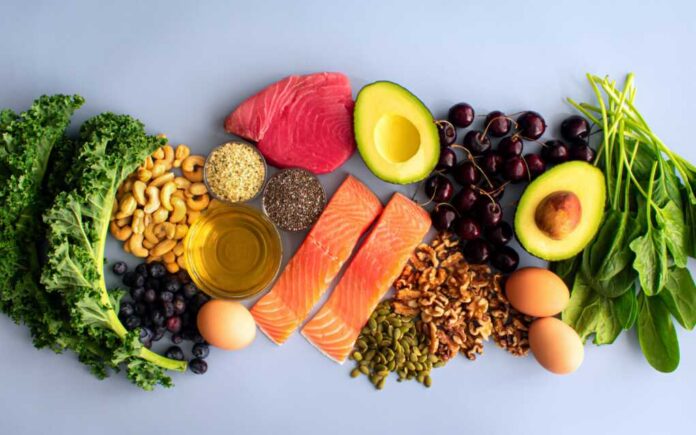
Eating half an avocado daily slashes cardiovascular disease risk by up to 21 percent, but exactly how much should you eat before calories sabotage the gains?
Story Snapshot
- Half an avocado per day boosts heart health, gut diversity, and skin elasticity based on major studies.
- Monounsaturated fats and fiber outperform low-fat diets for cholesterol control.
- Portion control essential: ⅓ to ½ avocado avoids 160+ calorie overload.
- US consumption surged fivefold since 2000s amid obesity and CVD epidemics.
Avocado Origins and Nutritional Reframing
Avocados originated in south-central Mexico 5,000 to 10,000 years ago, domesticated by Mesoamerican cultures. The Hass variety emerged in 1920s California, dominating US markets. Nutritional focus intensified post-1990s as low-fat diet flaws surfaced. Studies repositioned the fruit’s 80 percent fat content as beneficial monounsaturated fats, challenging outdated advice. Today, half a serving delivers 20 percent daily fiber and 10 percent potassium despite calorie density.
Breakthrough Studies Establish Daily Dose
UT Southwestern’s 2018 meta-analysis of 10 studies linked 1 to 3.7 avocados daily to higher HDL cholesterol. Their 2020 randomized trial with 163 overweight subjects found daily intake increased gut microbe diversity and short-chain fatty acids, curbing cardiovascular risks. The American Heart Association’s 2021 analysis of over 110,000 participants showed two servings weekly cut CVD risk 21 percent, with hazard ratio 0.80 per quarter avocado increment.
Skin and Weight Management Benefits Emerge
UCLA’s 2023 trial with 39 women demonstrated daily avocado consumption improved facial skin elasticity and firmness after eight weeks, outperforming controls. Nutrients like antioxidants repair damage and enhance carotenoid absorption from vegetables. For weight, one-fifth avocado daily lowered obesity odds in trials, promoting satiety via 9 grams fiber and phytosterols. Cleveland Clinic endorses one-third avocado to limit calories at 75.
Stakeholders Drive Evidence and Adoption
Researchers at UT Southwestern, AHA, and UCLA generate peer-reviewed data on lipids, gut, and skin. Cleveland Clinic and WebMD translate findings into practical advice emphasizing moderation. The Hass Avocado Board promotes via low-pesticide “Clean 15” status, though studies remain independent. US avocado consumption rose fivefold since 2000s, fueling a $3 billion sector.
Expert Consensus Balances Optimism and Caution
AHA confirms dose-response CVD protection beyond just MUFA. UT Southwestern equates one avocado to a guacamole serving for gut short-chain fatty acids. Optimists support daily half-avocado for heart and skin; cautious voices like Cleveland Clinic stress portion control for calorie-conscious. Long-term lean population safety remains untested.
Sources:
https://utswmed.org/medblog/avocado-a-day/
https://health.clevelandclinic.org/why-avocados-are-a-healthy-addition-to-your-diet
https://www.ahajournals.org/doi/10.1161/JAHA.121.024014
https://www.ardmoreinstituteofhealth.org/resource-hub/a-12-an-avocado-a-day-keeps-the-doctor-away
https://www.webmd.com/food-recipes/all-about-avocados