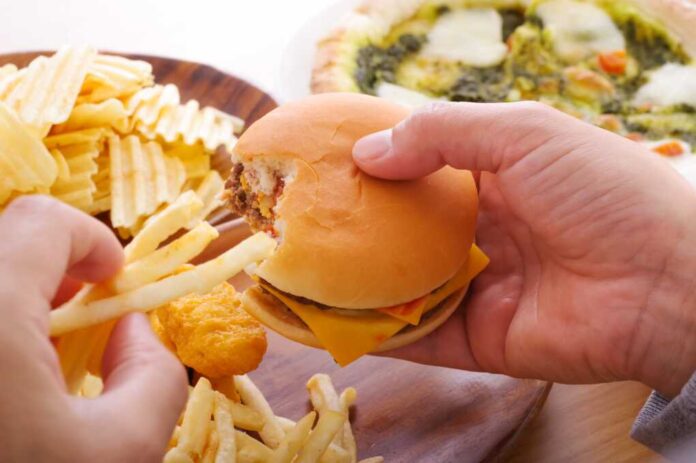
The rise in early-onset cancers is increasingly linked to the convenience foods many of us consume daily, challenging our perceptions of diet and health.
Story Snapshot
- Significant increase in deadly cancers among those under 50.
- Processed foods under scrutiny as a potential cause.
- Global health warnings are gaining traction.
- Experts urge lifestyle changes alongside more research.
Unveiling the Rising Threat
Recent research highlights an alarming rise in cancers, notably colorectal, bowel, and gastrointestinal, among individuals under 50. This spike, observed since 1990, has seen nearly an 80% increase in cases, particularly in developed nations. Experts now point to the prevalence of ultra-processed and convenience foods as a major contributor. Unlike older generations who benefited from improved screenings and prevention, younger adults face these deadly diseases at unprecedented rates, urging a rethink of dietary habits.
Spike in deadly cancer before age 50 linked to common convenience foods https://t.co/XTO3e8NzRf #FoxNews
— Jeff Robinson, CEO and Chairman of $MRES and $RLAB (@contrariansmind) November 15, 2025
Dietary changes over the past few decades have seen a boom in ultra-processed food consumption. Items such as packaged snacks, ready meals, and sugary drinks dominate the modern diet. This shift parallels a rise in sedentary lifestyles and increased obesity rates, creating a perfect storm for early-onset cancer. The Western diet, characterized by high levels of processed ingredients and low plant-based foods, is under particular scrutiny for its health impacts.
Global Patterns and Alarming Trends
The current phenomenon mirrors the mid-20th-century lung cancer epidemic, which was eventually linked to smoking. The rapid increase in early-onset cancers, particularly in Western countries, has now taken a global foothold. Western dietary patterns, rich in saturated fats and refined carbohydrates, are identified as primary risk factors. However, it’s not just diet; sedentary lifestyles, obesity, and other environmental factors also play roles in this complex health crisis.
Efforts to unravel the biological mechanisms linking processed foods to cancer are gaining momentum. Researchers are delving into food additives, packaging contaminants, and their effects on the gut microbiome. While the association is strong, definitive causality remains elusive, requiring further research and collaboration across scientific, regulatory, and industrial sectors to address and mitigate this growing threat.
Watch: Alarming rise in late-stage cancer diagnoses among Americans under 50
Response from Health Authorities and Experts
Health agencies worldwide are intensifying warnings and launching campaigns to reduce processed food consumption. Notable voices in the medical community, such as Dr. Jonathan Fisher and Dr. Kimmie Ng, emphasize the importance of early detection and lifestyle modifications. Dr. Ng points to a generational shift, where individuals born in 1990 face quadruple the colorectal cancer risk compared to those born in 1950.
Countries are beginning to consider policy interventions, such as improved food labeling and advertising restrictions, to curb the rise of processed food consumption. However, the food industry, wielding significant influence, poses challenges to regulatory changes.
Looking Ahead: Implications and Actions
The implications of this trend are far-reaching. In the short term, heightened awareness might lead to increased screening among young adults and shifts in dietary preferences. Long-term effects could include regulatory changes, evolving food industry practices, and persistent pressure on healthcare systems. The economic impact is significant, with potential increases in healthcare costs and losses in productivity due to illness in working-age adults.
Sources:
Tyla.com summary of research and expert commentary
Fox News Health coverage of the cancer spike and food link
Public News Service on processed foods and cancer risk