The most believable “immune boost” headline hides in plain sight: your immune system quietly runs on fiber, not hype.
Quick Take
- No single food flips your immune system into superhero mode; nutrition mainly helps it function normally and reliably.
- Dietary fiber stands out because it feeds gut microbes that produce compounds linked to lower inflammation and steadier immune signaling.
- Most adults under-eat fiber by a wide margin, making “a small serving daily” a realistic, high-impact change.
- Omega-3s and key vitamins matter, but the evidence and outcomes vary by baseline deficiency, dose, and consistency.
The Clickbait Hook Meets the Hard Truth About “Boosting” Immunity
Wellness media loves the promise of one daily bite that “boosts” immunity, because it sells certainty in an uncertain world. Credible medical voices use a colder verb: maintain. A healthy immune system works like a disciplined security team—alert, trained, and not constantly overreacting. Food doesn’t give you a second immune system; it helps prevent the one you have from running understaffed, underfueled, or chronically inflamed.
The story gets more interesting when you ask: what daily habit delivers broad benefits without a supplement aisle, a subscription plan, or a guru? The research themes keep circling back to the least glamorous nutrient in the grocery store—fiber—because it influences the gut microbiome, inflammation markers, and long-term disease risks that quietly weaken resilience.
Why Fiber Earns the Spotlight: The Gut Is an Immune Headquarters
Your gut isn’t just plumbing; it’s one of the body’s biggest interfaces with the outside world. Immune cells line the intestinal tract, constantly deciding what to tolerate and what to attack. Fiber helps shape that environment by feeding beneficial bacteria that ferment it into short-chain fatty acids. Those compounds show up repeatedly in nutrition-immunity discussions because they connect daily diet to systemic inflammation—one of the most reliable predictors of “feeling run down” and getting sick often.
Fiber’s practical advantage is consistency. Headlines chase vitamin megadoses and exotic powders, but everyday physiology responds to everyday inputs. Research reviews summarize associations between increased fiber intake and lower inflammatory signals, and they highlight a modern problem: typical Western intake sits far below recommended levels. That gap turns a “small serving daily” into a meaningful lever. You’re not chasing perfection; you’re correcting a deficit.
What Counts as “A Small Serving” Without Turning Life Into a Math Problem
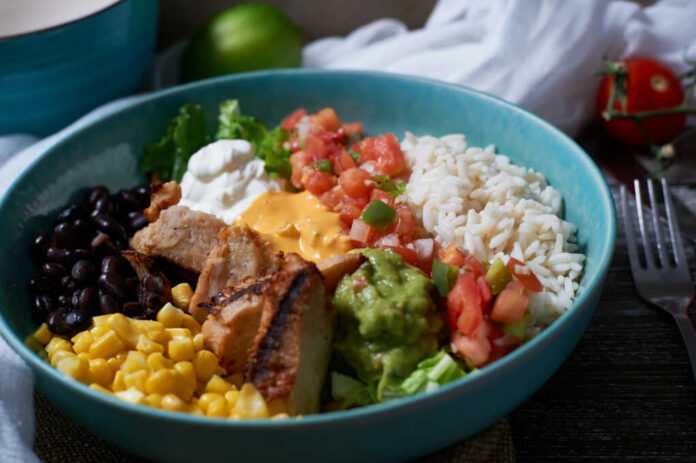
People over 40 don’t need a spreadsheet; they need defaults that survive busy weeks. A small serving can mean a bowl of beans added to lunch, a higher-fiber cereal, a couple tablespoons of chia, an apple with the skin, or swapping white bread for a whole-grain option that actually lists whole grains first. Research summaries often discuss fiber ranges and incremental gains; the key is daily repetition, not a heroic weekend salad.
Watch the marketing trick: “immune boosting” products usually isolate a single nutrient and sell it back to you at a premium. Whole foods bring fiber packaged with micronutrients and phytochemicals, plus better satiety. Buy foods that do more than one job. You’re feeding your gut microbes, steadying blood sugar, and nudging inflammation downward—all while eating normal food.
Where Omega-3s and Vitamins Fit—and Where the Claims Get Sloppy
Omega-3 fats earn real attention because they can influence inflammatory pathways; some trials report reductions in inflammatory markers. That said, the research landscape also includes cautions about dose, context, and translation from experimental models to real-life outcomes. The responsible takeaway isn’t “chug fish oil.” It’s “include omega-3-rich foods in a balanced pattern,” especially if your diet leans heavily processed and low in fish, nuts, and seeds.
Vitamins have a similar story: essential, but not magical. Vitamin D shows benefits in certain respiratory infection outcomes, especially where deficiency exists. Vitamin C can modestly shorten cold symptoms in some groups. Vitamin E and selenium appear in research discussions with specific outcomes and populations. The pattern is clear: correcting deficiency helps; chasing super-doses to outsmart biology usually disappoints. No pill replaces sleep, movement, and adequate protein.
The Post-COVID “One Weird Trick” Era—and How to Think Like an Adult Again
COVID amplified the appetite for simple answers, and wellness content filled the vacuum with confident declarations. The stronger position is less exciting but more durable: immune resilience comes from reducing chronic stressors—poor diet, inactivity, and inadequate sleep—so your baseline function stays high. Lifestyle reviews emphasize synergy: modest daily exercise supports immune regulation, and diet supplies the raw materials. You don’t need a new identity; you need a routine.
People can’t outsource health to institutions or influencers, but they also shouldn’t be conned into expensive shortcuts. A fiber-forward diet is high agency: it’s available at any grocery store, doesn’t require a medical appointment, and costs less than most “immune” supplements. It also avoids the risky mindset of trying to “stimulate” immunity when balance is the goal.
The Bottom Line: Boring Food, Serious Payoff
If the headline demands one “small serving daily,” fiber-rich food is the most defensible answer because it targets a widespread gap and connects to the gut-immune axis that keeps showing up in credible reviews. Start with one repeatable change you won’t quit: beans a few times a week, oats most mornings, or a high-fiber snack that replaces chips. Give it weeks, not days, and let consistency do what hype never will.
The immune system you want isn’t “boosted,” it’s supported—quietly—by the daily foods you keep around when nobody’s watching.
Sources:
https://pmc.ncbi.nlm.nih.gov/articles/PMC7352291/
https://pmc.ncbi.nlm.nih.gov/articles/PMC9772031/
https://pmc.ncbi.nlm.nih.gov/articles/PMC7646052/
https://www.mayoclinic.org/~/media/80569BAD2DF84A7394895F041D2726C5.pdf
https://nutritionsource.hsph.harvard.edu/nutrition-and-immunity/
https://onlinelibrary.wiley.com/doi/10.1002/fsn3.3628