Fear is a documented biological mechanism that can generate real symptoms in healthy people — and during COVID-19, peer-reviewed science confirmed it happened at a scale researchers now call a “nocebodemic.”
Quick Take
- The nocebo effect — the opposite of placebo — causes real physical symptoms triggered by negative expectation, anxiety, and fear, with no biological agent required.
- Published research confirms that up to 75% of systemic side effects reported after the first COVID-19 vaccine dose were nocebo responses, not reactions to the vaccine itself.
- Fatigue, headache, and muscle aches were reported by 21–29% of people who received saline placebo injections in COVID-19 vaccine trials.
- Scientists coined the term “nocebodemic” to describe how pandemic-era fear, isolation, and media saturation amplified symptom perception across entire populations.
The Science Behind Symptoms That Should Not Exist
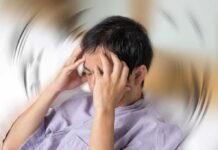
The nocebo effect is not fringe medicine. It is a well-documented neurobiological phenomenon in which negative expectations, anxiety, and social messaging cause the brain to generate or amplify physical symptoms. The word comes from Latin meaning “I shall harm.” Where placebo heals through belief, nocebo harms through fear. During COVID-19, the conditions for a mass nocebo event were not just present — they were, according to peer-reviewed literature, nearly perfect. [1]
A 2022 PubMed review identified the main pandemic stressors as “prolonged quarantine and social isolation, fear of infection and death, stigmatization, infodemic, financial difficulties, and job loss,” concluding these factors made people “more vulnerable to nocebo-related risk behaviors.” [1] That is not a fringe blogger’s opinion. That is the published scientific record. The same review introduced the term “nocebodemic effect” to describe how these nocebo responses were “widely amplified during the pandemic era.” [1]
Placebo Arms Do Not Lie: The Vaccine Trial Data
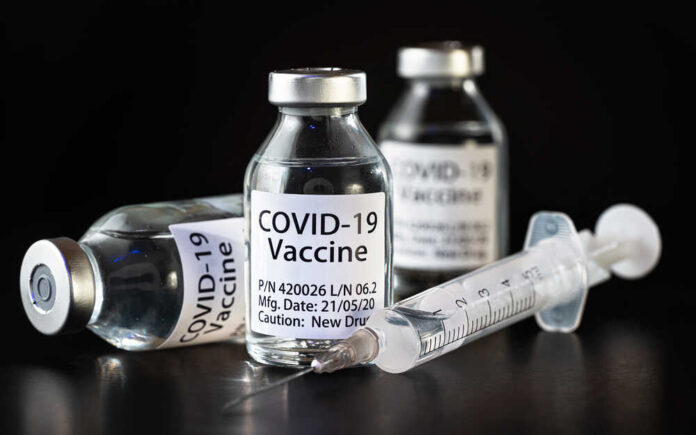
The most concrete evidence comes from COVID-19 vaccine clinical trials, where participants who received saline injections — zero active ingredient — reported significant symptom rates. Fatigue appeared in 21 to 29% of placebo recipients. Headache struck 24 to 27%. Muscle aches hit 10 to 14%. [3] These people felt genuinely sick. Nothing biological caused it. Expectation, priming, and anxiety did. A meta-analysis of published COVID-19 vaccine trials calculated that 75% of systemic adverse events after the first dose and 52% after the second dose were nocebo responses. [2]
This does not mean vaccines caused no reactions. Active-arm participants reported higher rates across every symptom category — fatigue at 38 to 42%, headache at 33 to 39%, muscle aches at 18 to 33%. [3] The biological signal was real. But so was the nocebo overlay sitting on top of it, inflating reported harm in ways that shaped public perception of risk for millions of people watching the news every night.
Anxiety as the Leading Predictor of COVID-Like Illness
An Oxford University Press academic chapter on placebos, nocebos, and COVID-19 identified anxiety as “the leading predictor of reporting COVID-like illness.” [2] The same source listed potential nocebo effects including “self-reported acute COVID-19 in the absence of laboratory confirmation” and “long COVID in the absence of evidence of COVID-19.” [2] That is an extraordinary statement from a mainstream academic source. People reported pandemic illness they did not have, driven by fear and expectation rather than infection.
To be precise about what the science does and does not say: nocebo research documents symptom amplification and misattribution. It does not prove SARS-CoV-2 was fabricated, and none of the cited peer-reviewed sources make that claim. The virus was real. Excess mortality was real. But the published record also confirms that a significant portion of reported illness, side effects, and ongoing symptoms existed in a psychological layer built on fear, isolation, and relentless negative messaging. That layer deserves honest scrutiny, not institutional silence.
The Question Officials Have Not Answered Honestly
The legitimate and troubling question buried inside the more inflammatory “fake pandemic” framing is this: did public health communicators understand that fear-based messaging increases nocebo susceptibility, and did they use it anyway? The peer-reviewed literature confirms the mechanism existed and operated at scale. [1][2] What it does not yet supply — and what FOIA requests, transparency audits, and congressional inquiries should pursue — is documentation of whether behavioral science advisors warned officials about nocebo amplification and were ignored, or worse, overruled in favor of maximizing compliance through fear.
The nocebo research does not prove a coordinated psychological operation. But it proves beyond reasonable scientific doubt that the conditions officials created — wall-to-wall fear messaging, stigmatization, social isolation, and economic terror — were precisely the conditions most likely to make healthy people feel sick, report symptoms they did not have, and attribute harm to treatments that did not cause it. That is not a conspiracy theory. That is published science. [1][2][3]
Sources:
[1] Web – The Nocebo Effect: The Real PsyOp Behind Fake Pandemics
[2] Web – The nocebo phenomenon in the COVID-19 pandemic – PubMed
[3] Web – Placebos, nocebos, and COVID-19: Society, science, and health …