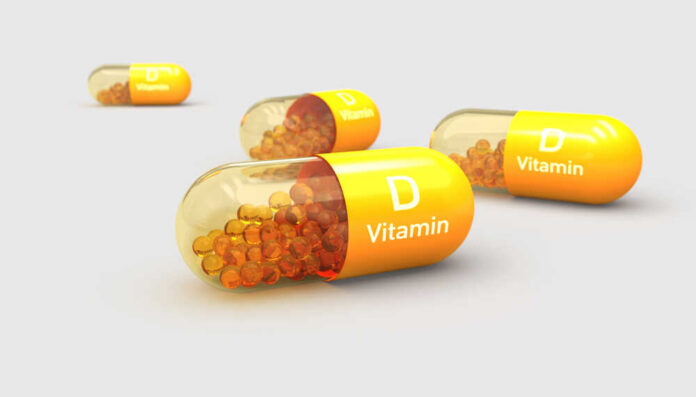
Scientists just found that a simple blood vitamin may predict how much pain you will feel after breast cancer surgery — and how many opioids you will need.
Story Snapshot
- Women with low vitamin D before mastectomy were about three times more likely to report moderate to severe pain afterward[3].
- The vitamin D–deficient group needed substantially more opioid pain medicine, especially tramadol, in the first 24 hours[3][4][5].
- The study is observational, so it proves association, not that supplements will definitely fix the problem[3][4].
- The research hints that checking and correcting vitamin D before surgery might someday become a low-cost way to blunt pain and reduce opioid use[3][4][5].
What the new study actually found about vitamin D and surgical pain
Researchers in Egypt followed women undergoing unilateral modified radical mastectomy, measured their vitamin D levels before surgery, and then tracked pain and opioid use for the first 24 hours afterward[3][4]. Patients whose vitamin D levels fell below 30 nanomoles per liter were classified as deficient[3][4]. Those women were roughly three times more likely to experience moderate to severe pain compared with women whose levels were higher, even after adjusting for other factors[3]. That is a large signal for a simple blood test.
The same deficient group also consumed more opioid medication. During surgery, anesthesiologists gave them about 8 micrograms more fentanyl on average, which the authors described as modest[3][4][5]. After surgery, the difference widened dramatically. Women low in vitamin D used roughly 112 milligrams more tramadol than those with sufficient levels[3][4][5]. For anyone concerned about opioid dependence, those extra doses are not trivial; every milligram is another opportunity for side effects, nausea, constipation, and in some cases addiction.
How scientists think vitamin D could be tied to pain signals
Vitamin D has long been pigeonholed as the “bone vitamin,” but it also interacts with the immune system and inflammation pathways, both of which shape how we feel pain[3][4][5]. The authors and outside commentators suggest that vitamin D may influence how inflammatory chemicals sensitize nerves after tissue injury, including surgical cuts[3][4][5]. If your vitamin D tank is empty, the theory goes, your body may overreact to the trauma and amplify pain signals. That mechanism fits with prior work linking low vitamin D to chronic musculoskeletal and postoperative pain in other surgeries[1].
Another twist that will matter to anyone watching their opioid exposure: vitamin D might not just influence how much something hurts, but how your nervous system responds to drugs meant to block that pain. Some researchers propose that low vitamin D could dampen your response to opioids, nudging doctors to push higher doses to achieve the same relief[1].
Why association is not the same as “take vitamin D and you will not hurt”
The study’s design matters. This was a single-center prospective observational study, not a randomized trial[3][4]. Doctors measured vitamin D, then watched what happened; they did not randomly assign some deficient women to get supplements and others to get placebo. That means the data can show that low vitamin D travels together with more pain and more opioid use, but it cannot prove that raising vitamin D will by itself reduce either outcome[3][4]. Correlation is not causation; it is a clue, not a verdict.
Other unmeasured factors could explain the link. Low vitamin D often tags people who spend less time outdoors, have poorer nutrition, higher body weight, more advanced disease, or less access to good medical care[3][4]. Any of those could plausibly increase pain or opioid needs. The abstract and trial registration do not show exhaustive adjustment for season, body mass index, baseline pain sensitivity, cancer stage, or other medications[3][4].
Where this fits in the wider vitamin D and pain puzzle
This mastectomy study is not a total one-off. A prior investigation in video-assisted thoracoscopic surgery found that patients with low preoperative vitamin D were more than twice as likely to report moderate to severe acute pain in the first two days after surgery, even after adjusting for several confounders[1][2]. Other work has tied low vitamin D levels to chronic musculoskeletal pain and cancer-related pain[1]. All of this pushes in the same direction: vitamin D deficiency is at least a reliable marker of patients at higher risk for hurting more.
The unresolved question is whether fixing the deficiency meaningfully changes outcomes. The mastectomy researchers themselves stop at association language and phrase supplementation as something that “may have a role” in modulating postoperative pain[3][4][5]. Translating that into practice would require randomized trials: enroll deficient patients, give half of them vitamin D and half placebo before surgery, then rigorously compare pain scores and opioid use[3][4]. Until that happens, responsible medicine will treat vitamin D as a risk flag, not a magic bullet.
Sources:
[1] Web – Scientists discover strange link between vitamin D and pain
[2] Web – Vitamin D deficiency is associated with more pain after breast surgery
[3] Web – Association between preoperative vitamin D level and postoperative …
[4] Web – Influence of Preoperative Vitamin D Level on Postoperative Pain in …
[5] Web – Vitamin D Deficiency Linked to More Pain After Unilateral Breast …