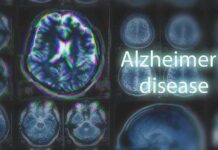
Surviving a heart attack does more than scar the heart. New data tracking more than 20,000 adults for a decade found that heart attack survivors face 5% higher odds each year of developing problems with memory and thinking, compared with people who never had one.
Quick Take
- A 10-year American Heart Association analysis of over 20,000 adults found heart attack survivors had 5% higher yearly odds of cognitive impairment than those without one.
- The pattern held steady across Black and white adults and across men and women, suggesting a broad, not niche, effect.
- A separate six-cohort study of more than 30,000 people, published in JAMA Neurology, backed up the finding with faster decline in memory and executive function after a heart attack.
- Researchers say the decline does not happen immediately after the heart attack. Instead, it builds slowly over the following years.
A Decade Of Data Points To One Clear Pattern
The American Heart Association tracked more than 20,000 adults with yearly cognitive checkups for 10 straight years. People who had a heart attack showed 5% higher odds each year of developing cognitive impairment than people who never had one. Researchers adjusted for other factors known to affect memory and thinking before reaching that number.
The finding did not just show up in one slice of the population. The American Heart Association reported the link held up similarly among Black adults and white adults, and among men and women. That consistency across groups adds real weight to the study, since it rules out the risk of the effect being a fluke tied to one demographic.
Separate Studies From Different Teams Found The Same Thing
This is not a one-off result from a single research group. Johns Hopkins Medicine pooled data from six major long-running studies, including the Framingham Offspring Study and the Cardiovascular Health Study, covering decades of tracking. People who had heart attacks showed significantly faster decline in global thinking skills, memory, and executive function compared to those who did not.
That pooled analysis, led by Johansen and colleagues and published in JAMA Neurology, followed more than 30,000 people in total. The researchers found something specific worth noting. The cognitive slide did not happen the moment the heart attack occurred. Instead, survivors kept their normal cognitive path for a while, then later showed a noticeably steeper drop than people who never had a heart attack.
Why Timing Matters More Than It Seems
That delayed pattern tells researchers something important about what might be happening inside the brain. A sudden brain injury would usually show up as an immediate drop in test scores right after the event. Instead, the slow build suggests ongoing damage, possibly tied to reduced blood flow, small vessel damage, or inflammation that keeps working on the brain long after the heart recovers.
Other heart-related research backs up that broader picture. Studies of older patients with acute coronary syndrome found more than a third experienced cognitive decline within just one year, and a repeat heart attack was strongly tied to worse outcomes, with odds of decline roughly tripling in some analyses.
What This Means For Families Watching A Loved One Recover
For families, the takeaway is practical. A heart attack survivor who seems sharp and fine in the hospital is not necessarily in the clear for memory problems down the road. The real risk window stretches out over years, not days, which means watching for changes in thinking and memory should become part of long-term recovery care, not just a one-time hospital checklist.
The research also lines up with something cardiologists have said for years: what is good for the heart tends to be good for the brain. Controlling blood pressure, cholesterol, diabetes, and smoking does double duty, protecting against another heart attack while also protecting the blood vessels that feed the brain.
One honest caveat belongs here. This research shows a strong statistical link between heart attacks and later cognitive decline, but it does not prove the heart attack itself directly causes the brain changes, since other shared risk factors could play a role too.
Still, the consistency across a decade of data, multiple cohorts, and different research teams makes this far more than a passing headline. Heart health and brain health are tangled together in ways that deserve serious attention from patients, doctors, and families alike.
Sources:
mindbodygreen.com, ahajournals.org, newsroom.heart.org