A huge government-funded study found that people who ate the most folate had a 30 percent lower chance of getting colorectal cancer.
Quick Take
- A study of more than 525,000 U.S. adults found high folate intake linked to 30 percent lower colorectal cancer risk.
- Folate is the natural form of vitamin B9 found in leafy greens, beans, and citrus fruit.
- Randomized trials testing folic acid pills alone did not show the same protective effect.
- Health officials say total diet patterns matter more than any single supplement claim.
What The Big Study Actually Found
The NIH-AARP Diet and Health Study tracked over 525,000 Americans ages 50 to 71. Those who ate at least 900 micrograms of total folate a day had a 30 percent lower colorectal cancer risk than those eating less than 200 micrograms. That is a massive sample size, and the drop in risk is not small. It is the kind of number that grabs headlines for good reason.
Two other long-running studies back this up. The Nurses’ Health Study and the Health Professionals Follow-up Study followed people for over two decades, checking their diets every two to four years. Researchers tracked 2,299 colorectal cancers and 5,655 precancerous growths called adenomas. The team concluded that folate likely slows down the early steps that lead to colorectal cancer.
Food Versus Pills Is Where It Gets Complicated
Folate occurs naturally in spinach, lentils, and oranges. Folic acid is the man-made version added to bread, cereal, and pasta since 1998, plus what is sold in supplement bottles. The big observational studies measured total folate, meaning food and pills combined. That makes it hard to say whether popping a vitamin alone delivers the same protection as eating folate-rich food every day.
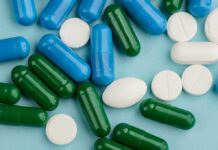
This distinction matters because when scientists ran an actual controlled experiment, giving people folic acid pills and comparing them to a placebo group, the results looked different. Adenomas showed up in 44.1 percent of the folic acid group versus 42.4 percent of the placebo group, a difference too small to call meaningful. A combined review of three major trials involving 2,632 patients found almost identical results, RR 0.98 for adenomas overall.
A Nonsignificant Warning Sign Worth Watching
The same folic acid trial found something that deserves attention even though it did not reach strict statistical significance. Advanced, more dangerous lesions showed up in 23.1 percent of the folic acid group compared to 17.1 percent of the placebo group. That gap was not proven real, but it was large enough that researchers flagged it rather than dismissing it. It is a reason doctors stop short of recommending megadoses of folic acid supplements as cancer prevention.
The National Institutes of Health’s own fact sheet on folate reflects this split evidence honestly. It lists multiple studies showing lower cancer risk tied to high dietary folate. It also lists other studies finding no link at all, whether researchers measured diet or blood folate levels directly. That is not confusion. That is science doing its job by reporting what it actually found, good and bad.
What This Means For People Deciding What To Eat
The takeaway is not “take more folic acid pills and skip colon screenings.” The takeaway is that people who eat diets naturally rich in folate, think leafy vegetables, beans, and whole grains, consistently show up healthier in the biggest, longest nutrition studies ever run. That is a signal worth respecting, even without a randomized trial proving cause and effect for food alone.
For now, the honest answer is that food-based folate looks protective in the real-world data, while folic acid supplements have not proven themselves in controlled trials. That distinction should guide common-sense choices at the grocery store rather than the pharmacy counter, especially for anyone already getting enough folate through a normal diet.
Sources:
mindbodygreen.com, ods.od.nih.gov, jamanetwork.com