A cardiologist will tell you food can lower your risk of a heart attack, but no single diet cures a disease on its own.
Story Snapshot
- Doctors increasingly treat food choices as a real tool against heart disease and metabolic illness, not just a lifestyle suggestion.
- Research backs Mediterranean and DASH-style eating patterns for cutting heart-related deaths by as much as 30 percent.
- Plant-based does not automatically mean healthy, since many plant-based packaged foods are loaded with salt, sugar, and saturated fat.
- Medical guidelines reject the idea that one named diet beats all others for hormone-driven conditions like polycystic ovary syndrome.
Why Doctors Now Call Food A Treatment, Not Just Advice
The phrase “food is medicine” has moved from wellness marketing into real medical practice. Programs built around this idea are showing up in hospitals and insurance plans across the country. A 2025 review from the American Heart Association found real promise in these programs for heart health, though it noted there is still no agreed-upon standard for how much, how often, or for how long patients should follow them.
That gap matters. A doctor can tell you broccoli is good for you, but turning that into a prescription with a measurable dose is a much harder science problem. Right now, the evidence supports general dietary patterns more strongly than it supports precise treatment protocols. That distinction separates sound medical advice from oversold headlines.
What The Evidence Actually Shows About Plant-Forward Eating
Diets built around fruits, vegetables, whole grains, nuts, and fish are tied to lower cardiovascular risk across large population studies. Mediterranean and DASH eating patterns in particular show cardiovascular-death reductions of up to 30 percent, and they help lower both blood pressure and LDL cholesterol, the kind doctors call bad cholesterol. That is a strong, well-established signal, not a fringe theory.
Mayo Clinic cardiologist Stephen Kopecky has pointed to simple, everyday foods, not supplements or trendy products, as the backbone of a heart-protective diet. That lines up with decades of nutrition science: whole foods, prepared simply, tend to outperform processed substitutes no matter how they are marketed. The medicine is in the plate, not the package.
The Catch: Plant-Based Does Not Mean Automatically Healthy
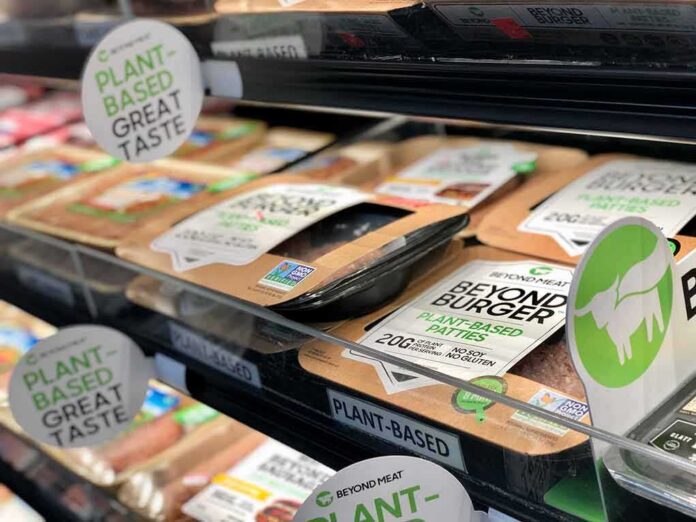
A study tracking more than 118,000 people found that certain ultra-processed plant foods raised cardiovascular disease risk by 7 percent. Vegan cookies, meat-free nuggets, and plant-based snack chips can carry just as much salt, sugar, and saturated fat as their animal-based counterparts. The word “plant-based” on a label tells you nothing about whether the product is actually good for your heart.
This is a common-sense point that gets lost in diet marketing. A potato chip made from plants is still a potato chip. No-nonsense nutrition advice has always favored whole, recognizable foods over processed products wrapped in health buzzwords, and the research here backs that instinct up directly.
Where The Science Draws A Firm Line On Hormone Conditions
Food is medicine claims get shakier when applied to specific hormonal disorders. The 2023 international evidence-based guideline on polycystic ovary syndrome, now also referred to as polyendocrine metabolic ovarian syndrome, recommends lifestyle changes including diet and exercise for improving metabolic health in women with the condition. That recommendation is solid and widely accepted among specialists.
But the same guideline explicitly states there is no evidence that any single diet composition, plant-forward or otherwise, outperforms others for hormonal, reproductive, or psychological outcomes tied to the condition. In plain terms: eating more vegetables supports general health, but it is not a documented cure for a specific endocrine disorder. That gap between broad wellness and targeted treatment is exactly where media coverage tends to overreach.
The honest takeaway is simple and worth repeating to anyone chasing a miracle diet. Whole, plant-forward eating is one of the best-supported tools doctors have for protecting the heart and metabolism, and that evidence is strong enough to act on today. It is not, however, a verified fix for every hormone condition it gets attached to in headlines, and patients deserve that distinction spelled out clearly.
Sources:
menshealth.com, integration.asrm.org, onlinelibrary.wiley.com