A diet soda a day may raise your risk of fatty liver disease more than the sugary version you swapped it for.
Quick Take
- A new study tracked over 123,000 UK Biobank participants for about a decade.
- Drinking more than 250 grams a day of diet or artificially sweetened drinks raised fatty liver risk by 60 percent.
- Sugar-sweetened drinks at the same amount raised risk by 50 percent.
- Diet drinks were also tied to a higher risk of dying from liver-related causes.
- Researchers presented the findings at United European Gastroenterology Week 2025.
What The New Study Actually Found
Researchers presented their findings at United European Gastroenterology Week 2025, built on data from more than 123,000 people in the UK Biobank. None had liver disease when the study began. Scientists tracked them for roughly ten years to see who developed metabolic dysfunction-associated steatotic liver disease, known as MASLD, a buildup of fat in the liver not caused by alcohol.
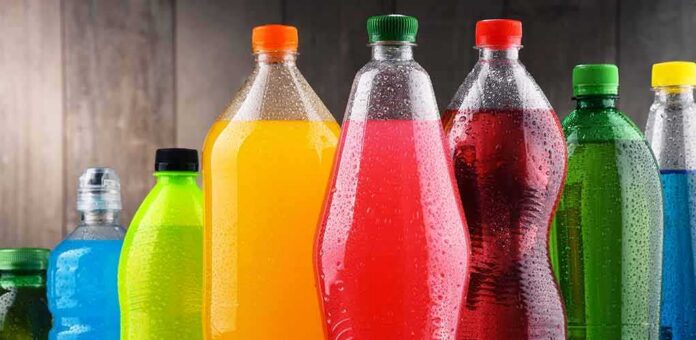
The results surprised a lot of people. Drinking more than 250 grams a day of sugar-sweetened beverages, about one can, raised MASLD risk by 50 percent. But low- or no-sugar beverages, the diet sodas marketed as the smart swap, raised that same risk by 60 percent. The “healthy” choice came out worse than the sugary one.
Researchers also found something darker buried in the data. People who drank diet beverages daily faced a greater risk of dying from liver-related causes compared to those who drank sugary versions. That detail didn’t get as much attention as the headline number, but it may matter more for long-term health than the MASLD risk alone.
Why Your Liver Doesn’t Care About The Marketing
For years, doctors told patients to cut sugar and reach for diet drinks instead. Food companies built entire product lines around that advice, including new prebiotic sodas marketed as gut-friendly and guilt-free. This study challenges that whole premise. Swapping sugar for artificial sweeteners doesn’t appear to protect the liver the way the marketing promises. Your body may process these sweeteners in ways scientists are still working to understand.
One theory points to how artificial sweeteners affect gut bacteria and insulin response, even without added calories. Another possibility is that heavy diet-soda drinkers often carry other risk factors, like obesity or prediabetes, that already strain the liver. Earlier reviews found artificially sweetened beverage drinkers were more likely to already be overweight or have high blood pressure before they ever picked up a diet can.
What Other Research Says About Swapping Drinks
Not every study paints diet soda this darkly. Randomized trials, where researchers control exactly what people drink, have found modest benefits when people swap sugary drinks for diet versions. One review of 17 clinical trials found people who made the switch lost a bit of weight and improved markers linked to fatty liver disease. That’s a real finding, not a footnote.
The difference comes down to how each type of study works. Observational studies like the UK Biobank project track real people making their own choices over years, picking up every tangled risk factor along the way. Controlled trials isolate one variable at a time but run for months, not a decade. Neither approach is wrong. They’re just answering slightly different questions about the same habit.
Other research points to an answer simpler than any soda on the shelf. One study found that replacing either sugary or artificially sweetened beverages with plain water improved liver fat measurements more reliably than swapping one drink for another. Water isn’t exciting. It doesn’t come in a flavored can with a health claim on the label. But it doesn’t carry the baggage either kind of soda apparently does.
What This Means For Your Next Grocery Run
None of this proves diet soda causes liver disease on its own, and the researchers themselves describe an association, not a courtroom verdict. But the pattern is hard to ignore. A drink sold as the responsible choice showed a higher risk than the one it was supposed to replace. That’s worth a second look next time you’re standing in the beverage aisle telling yourself you made the healthy pick.
The bigger lesson may be about trusting labels over substance. “Diet,” “zero sugar,” and “prebiotic” are marketing words, not medical guarantees. If the goal is a healthier liver, the data increasingly points toward the plainest option on the shelf: water, consistently, instead of whatever clever substitute replaces the can you used to drink.
Sources:
menshealth.com, emjreviews.com, kshb.com, independent.ie, health.yahoo.com, everydayhealth.com