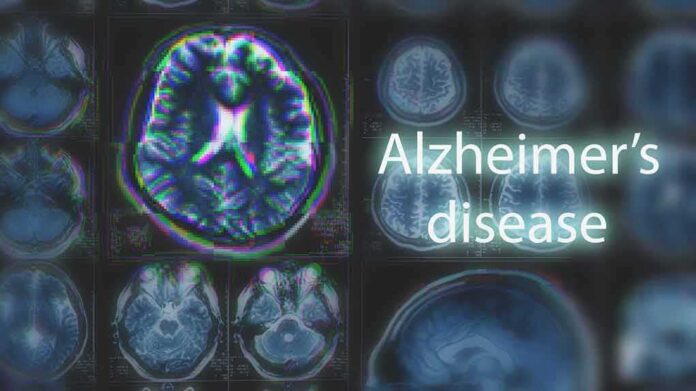
Some brains carry the physical markers of Alzheimer’s disease for years without a single symptom showing up, and scientists now have a clearer idea why.
Quick Take
- A new study found that people with “younger-looking” brains stayed sharper despite early Alzheimer’s-related changes.
- Researchers tracked more than 600 cognitively healthy adults using a blood marker for Alzheimer’s and a brain-age scan.
- Education, brain structure, and lifestyle factors all appear to build a buffer scientists call cognitive and brain reserve.
- The findings add to decades of research showing reserve can soften, but not erase, the effects of brain disease.
A Landmark Study Links Brain Age to Memory Protection
The study, titled “Cognitive and Brain Reserve as Modifiers of Early Alzheimer Disease–Related Cognitive Vulnerability,” set out to answer a simple question. Does a healthier, younger-functioning brain protect people from the mental decline tied to Alzheimer’s disease? Researchers measured Alzheimer’s-related changes using a blood test for a protein called p-tau217. They also measured brain age using brain scans, a method known as Brain-PAD, or brain-predicted age difference.
The results showed a clear pattern. People whose brains looked younger than their actual age on scans held up better against memory and thinking problems, even when Alzheimer’s-related protein levels were elevated. The protective effect showed up across several areas of thinking, including memory, processing speed, working memory, and focus. In other words, two people could carry the same biological risk and still land in very different places mentally.
Why Some Brains Push Back Against Disease
This idea has a name in neuroscience: cognitive reserve. It explains why people with more education, more demanding careers, or richer mental and social lives often show fewer symptoms even when their brains carry significant disease-related damage. The reserve does not stop the disease. It changes how much damage the brain can absorb before symptoms show up.
Earlier autopsy research backs this up in a striking way. A study of 276 brains with moderate to high levels of Alzheimer’s disease found that some people stayed cognitively sharp right up until death, despite pathology that would normally cause clear dementia symptoms. Their brains had simply found ways to work around the damage.
The Bigger Pattern Across Years of Research
This new study does not stand alone. A broader analysis combining nine long-term studies found that people with higher cognitive reserve had a 47 percent lower risk of progressing to mild cognitive impairment or dementia, even after accounting for existing Alzheimer’s-related brain damage. That is a massive difference for something as simple as staying mentally and socially active over a lifetime.
What researchers still debate is how reserve actually works and whether it can be deliberately built up through specific habits later in life, rather than reflecting decades of education or career demands already locked in. That distinction matters for anyone hoping to apply these findings starting today rather than regretting choices made decades ago.
What This Means for Families Watching Loved Ones Age
For readers over 40 watching parents, spouses, or their own minds change with age, this research offers something rare: a reason for hope grounded in hard data. Staying mentally engaged, physically active, and socially connected is not just feel-good advice from a wellness magazine. It appears tied to measurable, physical resilience in the brain itself.
None of this means lifestyle choices can guarantee protection from Alzheimer’s disease. Genetics and biology still play a major role researchers have not fully mapped out. But the message from this growing body of work is consistent and encouraging. A brain kept active, challenged, and connected to others appears better equipped to fight back, even when disease quietly moves in.
That kind of practical, earned resilience fits a common-sense truth many older Americans already live by: discipline and engagement now pay off later. This study gives that instinct real scientific backing.
Sources:
mindbodygreen.com, pmc.ncbi.nlm.nih.gov, qualityhealth.org