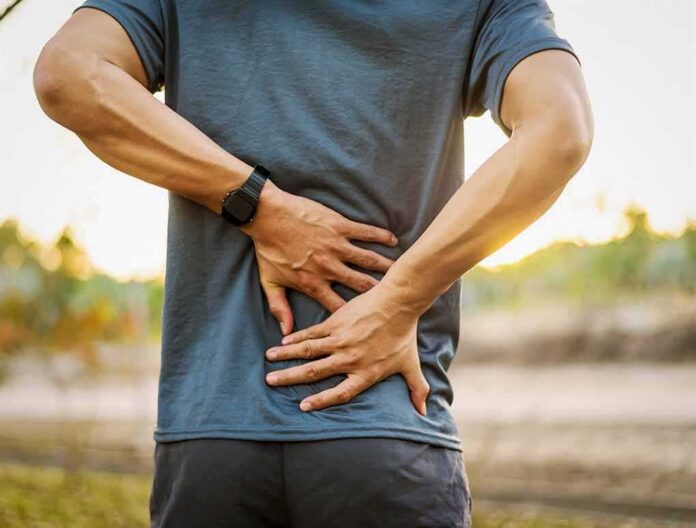
Grab the ice pack first, not the heating pad, if you just twisted an ankle or pulled a muscle.
Quick Take
- The NHS and hospital guidance both say use ice, not heat, in the first 24 to 72 hours after a sprain or strain.
- Heat applied too early can make fresh swelling worse, according to Gloucestershire Hospitals NHS guidance.
- Doctors now favor POLICE over the old RICE and PRICE rules, adding early, gentle movement to the mix.
- Ice helps with pain and swelling, but no strong proof shows it speeds up actual healing.
What The Guidance Actually Says To Do Right Now
The National Health Service tells patients to use the PRICE method for the first two to three days after a sprain or strain: protection, rest, ice, compression, and elevation. Ice should go on for up to 20 minutes every two to three hours. Heat should wait. Gloucestershire Hospitals NHS guidance backs this up, recommending ice for the first 24 to 48 hours and warning against heat on a brand-new injury.
The logic is simple. Cold narrows blood vessels, which slows blood flow to the hurt area and keeps swelling down. Heat does the opposite. It widens blood vessels and increases blood flow. That’s great for stiff, older injuries, but it can pour fuel on a fresh one by increasing inflammation right when the body is trying to calm down.
Why Doctors Changed The Rulebook From RICE To POLICE
For decades, athletes and trainers followed RICE, then PRICE, treating rest as nearly sacred. A 2012 article in the British Journal of Sports Medicine pushed back hard, pointing out there was a “paucity” of real evidence behind the whole package. The newer model, called POLICE, keeps ice but swaps blind rest for optimal loading. That means moving the injured area early and carefully instead of locking it up completely.
This shift matters because too much rest can actually slow recovery. Muscles and joints need some controlled stress to rebuild properly. A later British Journal of Sports Medicine piece on optimal loading explains that gradual, increasing activity helps tissue heal stronger, rather than leaving it weak and stiff from disuse. Ice still has a job early on. It just isn’t the whole job anymore.
When Heat Actually Becomes The Right Choice
Once an injury passes the acute stage, usually somewhere between 48 hours and four days, the guidance flips. Gloucestershire Hospitals NHS states that heat can be applied once an injury is more than two days old, since the dangerous swelling phase has usually passed by then. A 2025 clinical review in a Springer textbook backs this pattern, describing cold as most useful early and heat as more useful after the acute inflammation calms down.
Heat works by relaxing tight muscles and loosening stiff joints. It increases blood flow, which can help deliver oxygen and nutrients to tissue that’s already past the dangerous swelling window. That’s why a heating pad feels so good on an old, achy back, but would be a bad idea on a sprained ankle that happened an hour ago.
Where The Experts Don’t Fully Agree, And Why That’s Okay
Not every source gives the exact same instructions, and that’s worth being honest about. The National Health Service allows ice for up to 20 minutes at a time. Move Better Gwent, a Welsh health service, recommends only 10 minutes, wrapped in cloth, two to three times a day. Gloucestershire Hospitals discusses repeated treatments without locking in one universal number. None of these disagreements change the core message. They just show that exact dosing depends on the injury and the person.
It’s also fair to note that ice and heat are tools for comfort, not magic cures. The Springer review describes both as “adjunctive,” meaning they support rehabilitation rather than replace it. A separate review found cryotherapy may help people get back to activity sooner, but called the overall evidence for speeding healing insufficient. Ice calms pain and swelling. Real recovery still depends on proper movement and rehab.
The Bottom Line For Anyone Icing Up Tonight
If the injury happened today or yesterday, reach for ice, not heat. Wrap it in a cloth, keep sessions short, and repeat every few hours for the first two to three days. Once the swelling settles down, usually after 48 to 72 hours, heat becomes a reasonable option for loosening stiffness. And through all of it, don’t just sit still. Gentle, graded movement remains the piece most people skip, and the one doctors say matters most for getting back to normal.
Sources:
youtube.com, movebettergwent.nhs.wales, bjsm.bmj.com, link.springer.com, nhs.uk, scribd.com