Two nutrients found in everyday foods like eggs, meat, and beans may help older adults hold onto sharper thinking as they age, according to new research tracking thousands of people over time.
Quick Take
- A study of 6,610 adults ages 55 to 75 found higher choline and betaine intake linked to slower decline in attention, language, and executive function.
- A separate study of over 1,000 midlife women found both nutrients tied to better memory retention over time.
- A small 12-week trial using egg-yolk choline showed improved verbal memory, but also some mixed results on other measures.
- All of this evidence is observational or small-scale, so it shows a link, not proof that eating more choline or betaine prevents memory loss.
What The Largest Study Actually Found
Researchers followed 6,610 adults with overweight, obesity, and metabolic syndrome for two years. They tracked diet with detailed food questionnaires at the start, one year in, and two years in. People who ate more choline showed slower decline in attention and better language scores. Those who ate more betaine showed better executive function and language changes over the same period.
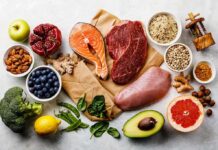
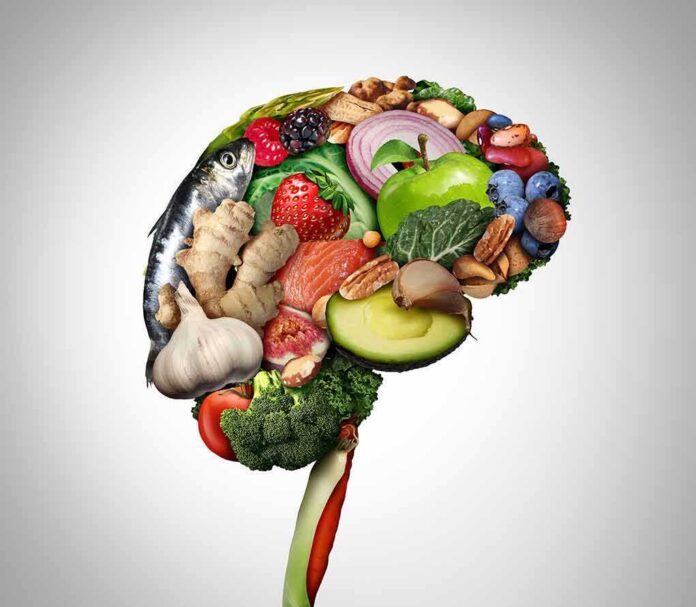
Choline and betaine are both nutrients your body uses to build cell membranes and support communication between brain cells. Choline shows up in eggs, beef, chicken, and fish. Betaine comes from foods like beets, spinach, and whole grains. The body also makes some choline on its own, but not always enough to meet daily needs.
A Second Study Backs Up The Pattern
A separate analysis followed 1,006 midlife women and measured verbal memory using a standard delayed-recall test. Women with higher choline and betaine intake, whether counted separately or combined, showed slower memory decline over time. The combined effect of both nutrients together produced the strongest statistical result reported in the study.
Older research adds another layer. A long-running Finnish study followed 2,497 men starting in the late 1980s and measured intake of phosphatidylcholine, a specific form of choline found in foods like liver and egg yolks. Men in the highest intake group had a 28 percent lower risk of developing dementia compared to men in the lowest group. Notably, total choline intake in that same study showed no link to dementia risk, only the phosphatidylcholine form did.
What A Real Experiment Showed
Observational studies can show patterns, but they can’t prove cause and effect. A 2023 trial tried to close that gap. Researchers randomly assigned 41 adults ages 60 to 80 to take either 300 milligrams of egg-yolk choline daily or a placebo for 12 weeks. The choline group showed meaningfully better verbal memory scores at both the 6-week and 12-week marks.
The trial wasn’t perfect. Participants taking choline scored lower on some processing-speed tests and reported a lower physical quality-of-life score at six weeks. A separate government fact sheet on choline notes that broader scientific reviews have found mixed results, with some studies showing no clear cognitive benefit from choline supplements in healthy adults.
Why This Matters For People Over 40
Cognitive decline worries almost everyone as they age, and that worry makes people eager for simple fixes. Eating more eggs or beets is a lot easier than waiting on drug trials. But the honest picture here is a modest, real association, not a miracle cure. A 2021 analysis found adults eating between roughly 188 and 400 milligrams of choline daily had about half the risk of scoring low on several cognition tests compared to those eating less.
None of this means popping a choline supplement will stop memory loss. The strongest evidence so far comes from watching what people already eat, not from testing supplements against a placebo in large groups over many years. Scientists studying this area generally agree that bigger, longer randomized trials are needed before doctors can confidently recommend choline or betaine as a dementia-prevention strategy.
For now, the practical takeaway is simple and low-risk: eating choline-rich foods like eggs and betaine-rich foods like beets and whole grains fits comfortably within an already sensible diet. It won’t hurt, and the research suggests it might help. That’s a reasonable bet for anyone looking to protect their brain as they get older, without waiting for perfect science to catch up.
Sources:
mindbodygreen.com, merit.url.edu, ncbi.nlm.nih.gov, pmc.ncbi.nlm.nih.gov, alzdiscovery.org, neurosciencenews.com