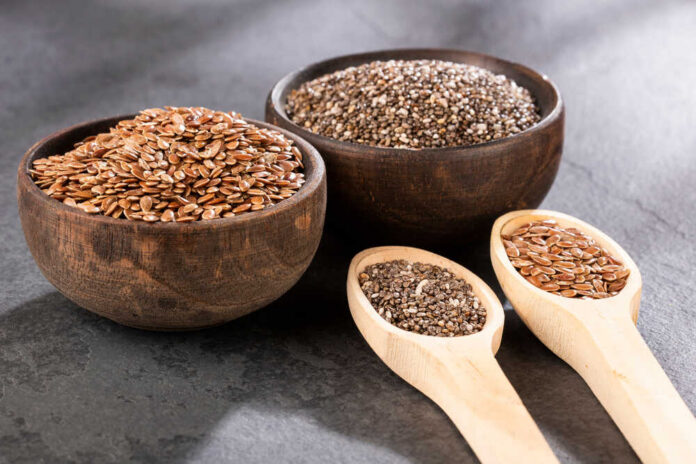
The promised superfood seed that supposedly trounces chia and flax in protein content doesn’t actually exist.
Story Snapshot
- No seed significantly outperforms chia and flax in protein content, despite clickbait headlines suggesting otherwise
- Chia and flax deliver nearly identical protein per serving (4-5g per 25g), with chia offering complete protein and flax slightly higher raw protein
- The “super seed” narrative ignores crucial nutritional nuances like omega-3 profiles, fiber composition, and mineral content that differentiate these foods
- Hemp seeds contain higher protein (31g per 100g) but remain unconfirmed as the mystery seed in these sensational comparisons
- Dietitians recommend using both seeds for complementary benefits rather than seeking a single superior option
The Marketing Myth Behind Superfood Comparisons
Wellness headlines promising a seed with dramatically more protein than chia and flax recycle an evergreen content formula designed to capture clicks rather than inform consumers. The premise collapses under scrutiny. Chia seeds deliver approximately 4 grams of protein per 25-gram serving with all nine essential amino acids, making them a complete protein. Flaxseeds provide 4.5 grams in the same serving size but lack sufficient quantities of certain amino acids. This marginal difference hardly justifies breathless proclamations of superiority, yet the narrative persists across health media platforms.
What the Numbers Actually Reveal
USDA data confirms chia and flax occupy nearly identical nutritional territory. Per 100 grams, chia contains roughly 18 grams of protein while flax edges ahead with 20 grams. The real distinctions emerge in supporting nutrients. Chia dominates in fiber content with 30-34 grams compared to flax’s 24-37 grams, and provides superior calcium, iron, and selenium. Flax counters with higher levels of alpha-linolenic acid omega-3s at 2.46 grams per tablespoon versus chia’s 1.90 grams, plus advantageous copper, potassium, and magnesium profiles. Hemp seeds, often implied as the mystery superfood, do contain approximately 31 grams of protein per 100 grams, but no credible source validates claims of a revolutionary seed discovery.
Ancient Foods in Modern Marketing Machinery
Chia seeds trace their origins to Central American civilizations where Aztecs and Mayans relied on them for endurance during long expeditions. Flaxseeds served ancient Egyptian and Babylonian cultures primarily for fiber and oil production. Both remained relatively obscure until the 2000s when the superfood movement elevated them through omega-3 and fiber marketing campaigns. Chia particularly surged during 2010s vegan diet trends emphasizing complete plant proteins. The current comparison frenzy represents recycled hype rather than nutritional breakthroughs, with 2020s inflation concerns and gut health obsessions providing fresh context for old promotional angles.
Expert Voices Cut Through the Noise
Registered dietitians consistently reject simplistic superiority claims when evaluating these seeds. Vicki Koenig and other nutrition professionals emphasize functional differences over inflammatory comparisons. Chia’s higher fiber content makes it more effective for satiety and appetite control, potentially benefiting weight management efforts. Flaxseed’s lignan compounds offer hormonal support benefits that chia cannot match. Both deliver cardiovascular and cognitive health advantages through their omega-3 content, though flax provides a more concentrated dose. The professional consensus recommends incorporating both seeds into regular dietary patterns rather than selecting a single champion based on misleading protein comparisons.
Watch:
The Real Superfood Strategy
Practical nutrition guidance from 2026 sources shifts focus from competitive rankings to complementary applications. Chia seeds work exceptionally well in puddings, smoothies, and as egg substitutes due to their gel-forming properties when mixed with liquid. Ground flaxseed integrates seamlessly into baked goods, oatmeal, and yogurt while maintaining better nutrient absorption than whole seeds. Combining both in daily meals provides the complete spectrum of benefits without forcing artificial choices. The multi-billion dollar superfood industry thrives on manufactured scarcity and exclusive solutions, but evidence-based nutrition reveals abundance through variety rather than restriction to singular miracle foods.
Why These Comparisons Persist
Wellness media outlets generate revenue through affiliate marketing relationships with supplement and health food companies. Sensational headlines promising newly discovered superior alternatives drive traffic more effectively than balanced nutritional education. The format works because readers want simple answers to complex health questions. A mysterious unnamed seed that outperforms familiar options creates curiosity gaps that demand resolution through clicks. Academic research from institutions like the National Institutes of Health consistently demonstrates minimal practical differences between chia and flax protein content, yet these findings rarely generate viral headlines or social media engagement that funds content operations.
Sources:
Chia Seed vs Flaxseed – GoodRx
Chia vs Flax – Healthline
PMC Study on Fiber Composition
Chia Seeds vs Flax Seeds – Prevention
Beyond Nutrition Labels – CTCD