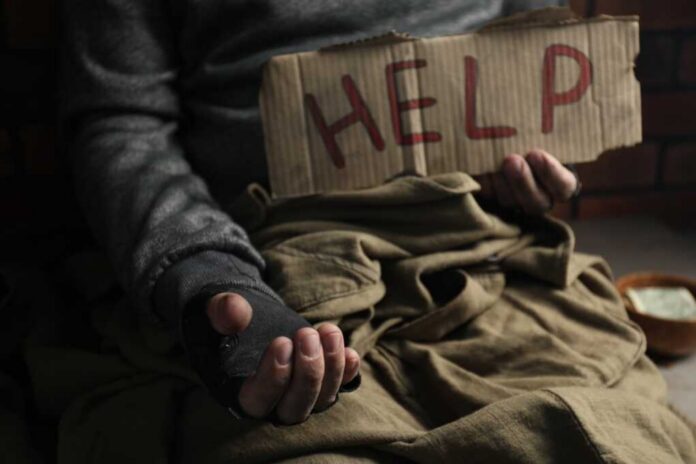
Washington’s homeless crisis continues to escalate, putting a strain on taxpayers and local resources.
Story Highlights
- The homeless population in Washington is increasing, despite encampment sweeps.
- Nearly 700 homeless individuals remain unaccounted for at night.
- Difficulty in providing medical care due to scattered populations.
- Fiscal burden on taxpayers as healthcare and social services struggle.
Homelessness Persists Despite Federal Efforts
In the heart of the nation’s capital, the homeless crisis remains unabated, challenging the recent federal efforts to curb the issue. While the White House claims that encampment sweeps have improved the situation, city leaders report otherwise. Despite attempts to clear areas, approximately 700 individuals continue to roam the streets by day and sleep outdoors by night, posing significant challenges for local authorities.
Escalating costs and challenging logistics have made it difficult for medical providers to reach and care for those in need. This dispersion of homeless individuals to suburban areas has not only complicated outreach efforts but also increased the financial burden on taxpayers who fund these essential services. The situation highlights the limitations of current policies and the need for more effective solutions.
Washington's homeless hide in plain sight, growing sicker and costing taxpayers more – CBS News https://t.co/yQz19gZTKK
— Frances (@fhicks106) December 18, 2025
Impact on Healthcare and Public Resources
The scattered nature of Washington’s homeless population complicates access to essential medical care. Many individuals avoid detection, further exacerbating their health issues. This scenario leads to increased healthcare costs, as untreated conditions often result in emergency interventions, which are significantly more expensive. The inability to provide consistent medical attention not only deteriorates the health of these individuals but also strains public resources, diverting funds from other critical areas.
As the homeless population continues to grow, the fiscal impact on Washington’s taxpayers becomes more pronounced. The financial strain is evident as local authorities grapple with the rising costs of healthcare and social services needed to address this crisis. Conservative leaders argue that more efficient use of resources and a shift in policy focus are imperative to tackle these issues effectively.
Call for Policy Reform and Efficient Resource Allocation
Conservatives advocate for a reevaluation of current policies, emphasizing the need for strategies that address the root causes of homelessness rather than temporary fixes. This includes promoting job opportunities, mental health services, and affordable housing solutions that empower individuals to reintegrate into society. By focusing on sustainable measures, the aim is to reduce the burden on taxpayers while simultaneously providing long-term solutions to those in need.
Ultimately, the ongoing homeless crisis in Washington serves as a stark reminder of the challenges faced when policy and practice fail to align with the realities on the ground. It underscores the necessity for a strategic approach that balances compassion with fiscal responsibility, ensuring that resources are used effectively to support those most in need while protecting the interests of the broader community.
Your instant doctor companion – online 24 hours a day.
Sources:
Washington’s Homeless Hide in Plain Sight, Growing Sicker and Costing Taxpayers More