What if a single vitamin—reimagined and supercharged—could unlock the brain’s dormant ability to repair itself?
Story Snapshot
- Enhanced vitamin K analogues show unprecedented power in stimulating neuron growth
- Breakthrough compounds merge the strengths of vitamin K and retinoic acid to target brain healing
- Researchers have pinpointed the mGluR1 receptor as the switch for neurogenesis
- Potential paradigm shift in treating neurodegenerative disease and brain injuries
Supercharged Vitamin K: A New Frontier for Brain Repair
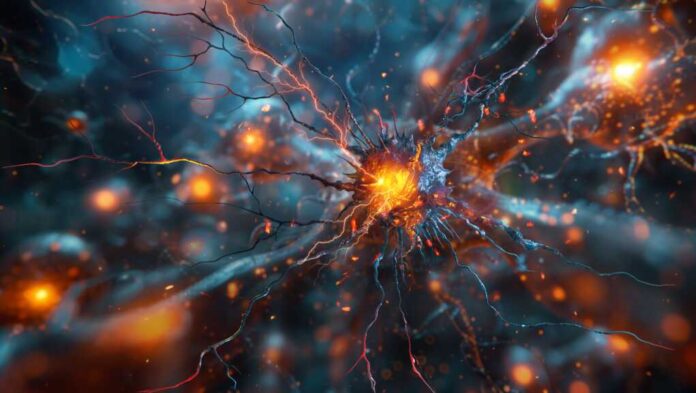
Researchers have synthesized a new class of vitamin K analogues that outperform anything nature has produced in promoting the growth of neurons. By engineering molecules that fuse vitamin K’s core structure with the neurotrophic power of retinoic acid, these compounds trigger a biological response that natural vitamin K alone cannot. The result is an unprecedented boost in neurogenesis, offering hope where conventional therapies have failed.
The science goes deeper than supplementation. These new compounds act not through the classic vitamin K pathways of blood clotting and bone health, but by activating the mGluR1 receptor—a molecular gatekeeper known to drive the formation of new neurons. This discovery marks a pivotal moment in neurological research, suggesting that the brain’s own repair mechanisms can be jump-started by the right molecular cues.
Supercharged vitamin k could help the brain heal itself https://t.co/DAZyoUvWc6
— Verity 4 (@verity2x2) October 15, 2025
The Molecular Switch: mGluR1’s Role in Neurogenesis
The mGluR1 receptor sits at the crossroads of brain communication, integral to learning and memory. By activating this receptor, the enhanced vitamin K analogues initiate a cascade of cellular events that lead neural stem cells to mature and proliferate. This mechanism circumvents the limitations of previous neurotrophic agents, which often failed to penetrate deep enough or lacked specificity. The new vitamin K-retinoic acid hybrids, meticulously designed, fit the receptor like a key, opening doors to recovery that were previously locked.
For decades, neurogenesis in the adult brain was doubted or dismissed. Now, the evidence is mounting that under the right conditions, even mature brains can sprout new neurons—critical for recovery from trauma, stroke, or degenerative disorders like Parkinson’s and Alzheimer’s. The enhanced vitamin K analogues represent a shift from symptom management to true repair, aligning with the American conservative value of self-reliance—helping the body heal itself rather than relying on endless pharmaceutical intervention.
Watch a report:
Implications for Aging and Neurological Health
For readers over forty, the implications of this research are profound. As age advances, the risk of cognitive decline and neurodegenerative disease increases. Current treatments offer little more than a slow retreat. The promise of a therapy that actively encourages the brain to regrow lost connections is nothing short of revolutionary. Should clinical trials confirm the safety and efficacy of these compounds, the aging brain could one day have a fighting chance—an idea that resonates with anyone who values independence, resilience, and a future unburdened by decline.
Sources:
9 Feature Article Intros to Hook Your Readers
Introductions | Harvard College Writing Center
How to Write an Intro Paragraph That Hooks: 6 Tried & True Strategies
A Step-By-Step Process for Writing a Killer Introduction