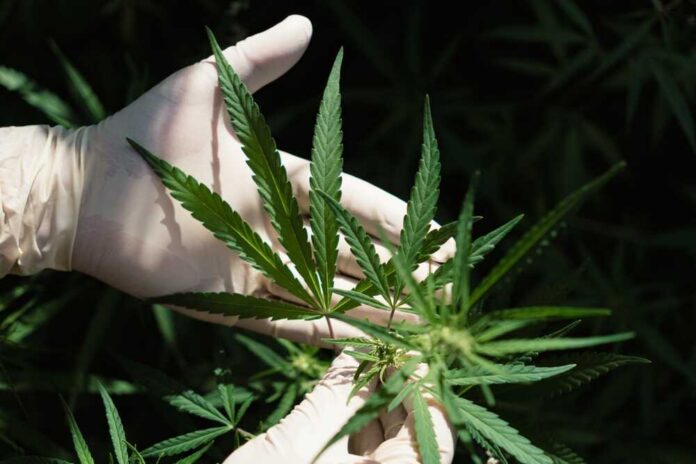
The cannabis your grandkids vape for fun may hit your 70-year-old heart, brain, and medicine cabinet far harder than you think.
Story Snapshot
- Cannabis use is climbing among adults over 65, but today’s products are far more potent than the “mellow” marijuana of the 1970s.[1][4]
- Stanford Medicine experts warn of higher risks of heart disease, cognitive problems, and addiction in older adults who use cannabis regularly.[1][2]
- Emergency room visits for cannabis poisoning in people over 65 nearly tripled after legalization in one Canadian study, signaling a real-world danger curve.[2]
- Medication interactions, especially with blood thinners, and a higher risk of falls mean older adults cannot treat cannabis like an innocent herbal tea.[1][2]
Older Adults Are Lighting Up More Just As The Risks Get Sharper
Older Americans are rediscovering cannabis just as the drug itself has changed beyond recognition. Medical cannabis is now legal in most states, and recreational use is legal in roughly half of them, creating an easy on-ramp for people who once swore off “drugs.”[1][4] National survey data show that recent cannabis use among adults over 65 has risen from under 5 percent in 2021 to about 7 percent in 2023.[1] That sounds small, but in raw numbers it represents millions of aging hearts, brains, and pill organizers now sharing space with tetrahydrocannabinol.
Stanford Medicine’s experts argue that this cultural shift has outpaced the science, especially for seniors, and they lean hard toward a precautionary stance.[1] They stress that the health effects of cannabis remain understudied, yet the available evidence already links use to heart disease and other serious problems.[1][2] That combination—rising use, stronger products, thin long-term data—should raise every conservative’s favorite question: what is the downside risk, and who pays it when things go wrong? With seniors, the answer is blunt: they do, often in the emergency room.
Your Heart And Blood Vessels May Pay The Highest Price
Cardiologists at Stanford warn that cannabis can inflame blood vessels and raise the risk of heart attacks and strokes, and they do not sugarcoat it.[1][2] Joseph Wu, who directs a major cardiovascular institute, reportedly tells patients there is no completely safe amount of cannabis, not even occasional use, when it comes to heart health.[2] Studies he cites suggest regular cannabis users face about a 29 percent higher risk of heart attack and 20 percent higher risk of stroke compared with nonusers.[2] For a 25-year-old, that is bad news; for a 75-year-old with existing plaque and high blood pressure, it can be the push that turns “stable” into “catastrophic.”
Smoking or vaping cannabis drives inflammatory compounds and particulates directly into the lungs and bloodstream, much like tobacco, but edibles are not innocent either.[1][4] Stanford specialists say even low doses can trigger vascular inflammation.[1][2] Older adults, whose arteries are already stiffened by age and lifestyle, have less margin for error. The trade-off looks lopsided: modest, uncertain relief on one side, a permanent, potentially fatal event on the other.
Cognition, Falls, And The “One Brownie Too Many” Problem
Brain aging complicates the picture further. Stanford psychiatrists caution that cannabis can worsen existing age-related cognitive decline, including memory and attention problems, and may unmask or accelerate conditions like dementia in vulnerable seniors.[1][3] That is not moral panic; it is clinical concern grounded in what they see walking into their offices. Smita Das, a Stanford addiction specialist, highlights risks such as impaired balance, increased falls, and gastrointestinal upset in older adults who overconsume.[3] These are not abstract harms: a single bad fall can fracture a hip and permanently end independent living.
Legal cannabis also carries a design flaw for older bodies: potency plus delayed onset. Products today often contain far higher levels of tetrahydrocannabinol than the marijuana of decades past.[1][4] Edibles can take an hour or more to kick in, which tempts a new user to take a second dose when nothing seems to happen. One Canadian study found that emergency room visits for cannabis poisoning in adults over 65 nearly tripled after nationwide legalization, with accidental overconsumption implicated as a driving factor.[2] For a population with slower metabolism and more fragile balance, that “extra gummy” can become a night in intensive care.
The Silent Crossfire: Cannabis Versus Your Medications
Americans over 65 typically juggle multiple prescriptions, and cannabis steps into that crowded chemistry set without an instruction manual. Stanford experts warn that cannabis can interfere with common medications, including blood thinners.[1][2] Cannabidiol, the non-intoxicating compound many people view as harmless, can slow the enzymes that break down drugs like warfarin, potentially keeping them in the body longer and raising bleeding risk.[1][2] That is not a theoretical hazard; it is exactly the kind of interaction that leads to sudden bruising, gastrointestinal bleeds, or brain hemorrhages in real patients.
Cannabis use among older adults is rising fast, but today’s marijuana is far more potent than many people realize — and experts warn the risks may be underestimated. Stanford Medicine specialists say modern cannabis can increase the chances of heart problehttps://t.co/4QO0op8swJ
— Michael W. Deem (@Michael_W_Deem) May 15, 2026
Slower metabolism in older adults lengthens both the cannabis high and the window for drug interactions.[1][4] A dose that seems modest on the package may linger for many hours in a 75-year-old, overlapping with nighttime sedatives, blood pressure pills, or diabetes medications. From a pro-responsibility, pro-family viewpoint, the message is straightforward: you would never double your heart medicine on a whim because a friend said it helped their back; treating cannabis as casually as a glass of wine ignores the same basic pharmacologic reality.
Benefits, Uncertainties, And A Practical Path Forward
None of this means cannabis is pure poison or that older adults are foolish for seeking relief from pain, insomnia, or anxiety. Even Stanford’s own reporting concedes that limited research shows cannabis can help certain conditions.[1] Some chronic pain patients appear able to reduce their use of opioid painkillers when they use cannabis, which is no small thing in a country still reeling from an opioid epidemic.[1][4] But the key word for anyone over 65 is limited. The data are patchy, often do not separate different products or doses, and rarely focus on seniors specifically.[1][4]
Older adults who still want to explore cannabis should first have a blunt, complete conversation with their primary doctor and, if relevant, their cardiologist, listing every medication and supplement they take.[1] Starting with extremely low doses, avoiding smoked or vaped forms, and having a trusted spouse or family member aware of the experiment can reduce the odds of a disastrous overstep. For many seniors, though, the Stanford experts’ bottom line will resonate: if you already carry a heavy burden of heart risk, memory problems, or complex prescriptions, the “new” cannabis may simply not be worth gambling your independence to chase a little extra sleep.
Sources:
[1] Web – Regular cannabis use poses risks to those over 65, experts caution
[2] Web – Is medical cannabis really safe for older people?
[3] YouTube – Cannabis and older adults: Is the hit worth the hype? | 90 Seconds w
[4] Web – Cannabis Use in Older Adults: Five Critical Health Facts – WRD News