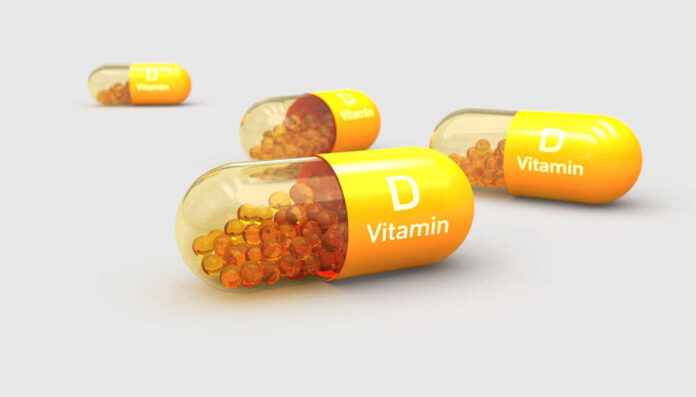
That vitamin D supplement you’re dutifully swallowing at bedtime might be sabotaging your sleep and slashing its effectiveness by half.
Story Snapshot
- Vitamin D absorption increases 32-50% when taken with fat-containing meals rather than on an empty stomach
- Morning or early afternoon dosing aligns with natural circadian rhythms and may prevent evening sleep disruption
- Research shows conflicting evidence on sleep impacts, with 2021 studies warning of melatonin interference while 2024 reviews suggest potential sleep benefits
- Roughly 1 billion people worldwide suffer vitamin D deficiency, with darker-skinned individuals, those over 75, and northern latitude residents at highest risk
- Consistency matters more than exact timing, but pairing supplements with dietary fats remains the critical factor for optimal absorption
Why Your Vitamin D Timing Actually Matters
The notion that you can pop a vitamin D supplement whenever convenient turns out to be costly advice. Unlike water-soluble vitamins that flush through your system, vitamin D belongs to the fat-soluble family alongside vitamins A, E, and K. This chemical reality means your body needs dietary fat present to properly absorb the supplement. Studies demonstrate meal-timing boosts blood levels by 32-50% compared to taking supplements on an empty stomach. The difference between optimal and wasted dosing often comes down to whether you’re pairing that capsule with your morning eggs or swallowing it alone before bed.
The Morning Advantage Rooted in Biology
Cleveland Clinic rheumatologists advocate morning supplementation for reasons beyond simple absorption mechanics. Your body naturally produces vitamin D through sun exposure during daylight hours, establishing a circadian rhythm that morning supplements complement rather than disrupt. Dr. Deal from Cleveland Clinic emphasizes breakfast timing creates a reliable habit while aligning with your body’s expectations. This approach mirrors how humans evolved obtaining vitamin D, with peak synthesis occurring when ultraviolet rays hit skin during midday hours. Evening doses potentially clash with melatonin production, the hormone governing sleep cycles, though recent evidence complicates this picture.
The Sleep Disruption Debate Remains Unresolved
A 2021 research review sparked concerns by linking evening vitamin D supplementation to reduced melatonin production, suggesting nighttime doses might interfere with falling asleep. This finding drove recommendations away from bedtime dosing across major health platforms. Then 2024 brought contradictory evidence suggesting vitamin D might actually improve sleep quality for some individuals. The conflicting studies reveal how vitamin D research continues evolving. What remains clear is consistency trumps perfection. Whether you choose morning or evening, sticking to the same daily schedule with a fat-containing meal delivers better results than sporadic perfect timing.
Who Actually Needs to Worry About This
Vitamin D deficiency affects approximately 40% of the global population, driven by modern indoor lifestyles, aggressive sunscreen use, and geographic location. High-risk groups include elderly individuals over 75, people with darker skin tones where melanin blocks ultraviolet conversion, obese individuals, and residents of northern latitudes with limited winter sun exposure. For these populations, optimizing supplement absorption through proper timing and fat pairing becomes crucial for preventing deficiency symptoms like chronic fatigue, bone pain, and increased fracture risk. The approximately two billion dollar U.S. supplement market grows as awareness spreads, yet many users unknowingly waste 30-50% of their investment through poor absorption practices.
The Practical Bottom Line on Fat Pairing
Medical institutions from Mayo Clinic to GoodRx converge on one non-negotiable recommendation: take vitamin D with fat. This means pairing supplements with meals containing nuts, avocados, eggs, olive oil, fatty fish, or dairy products. A handful of almonds alongside your morning supplement dramatically outperforms swallowing a capsule with water. The nutrition and supplement sector increasingly standardizes labeling to emphasize this fat requirement, distinguishing vitamin D from water-soluble B vitamins that absorb without food. Weekly high-dose vitamin D also works effectively when taken with fatty meals, offering flexibility for those struggling with daily routines.
The consensus across Cleveland Clinic, Healthline, and GoodRx prioritizes establishing sustainable habits over obsessing about perfect timing. Morning with breakfast checks multiple boxes: reliable routine formation, circadian alignment, and natural fat availability from typical American breakfast foods. Evening dosing remains viable for individuals who experience no sleep disruption and consistently pair supplements with dinner fats. The unresolved melatonin debate awaits more rigorous randomized controlled trials. Until then, testing your vitamin D blood levels before supplementing and consulting healthcare providers about appropriate dosing matters far more than splitting hairs over optimal hours. The real tragedy isn’t taking vitamin D at the wrong time—it’s wasting half your supplement’s potential by skipping the fat.
Sources:
Best Time of Day to Take Vitamin D: Morning or Night – Ubie Health
When to Take Vitamin D – Cleveland Clinic
Best Time to Take Vitamin D – Healthline
When is the Best Time to Take Vitamin D: Morning or Evening – Vinmec
Best Time of Day to Take Vitamin D – GoodRx