Your odds of a heart attack or diabetes may quietly shift every time you pick between a burger and a bowl of nuts and veggies—and the gap can be wider than your last lab report suggests.
Story Snapshot
- People eating the most phytosterol-rich plant foods showed modestly lower risks of heart disease and type 2 diabetes in a large observational study.[1][2]
- Plant sterols can lower “bad” LDL cholesterol by roughly 8–10 percent when eaten in the right amounts.[3][4][5]
- The strongest science supports eating whole plant foods, not chasing supplements or “fortified” junk.
- Smart eaters can use phytosterol-rich foods alongside proven habits like weight control, exercise, and not smoking.
Why Your Grocery Cart Quietly Predicts Your Next Decade
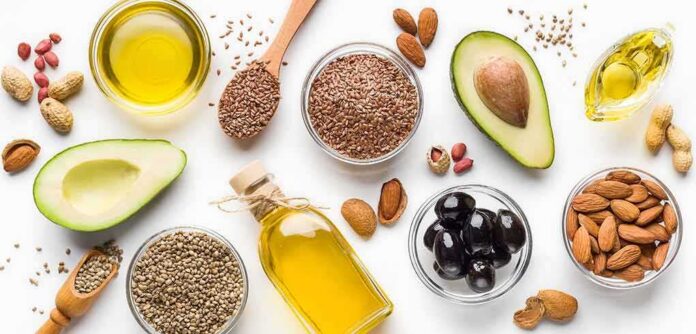
Researchers following large groups of adults found that people in the highest fifth for phytosterol intake were about 9 percent less likely to develop heart disease and 8 percent less likely to develop type 2 diabetes than those in the lowest fifth.[1][2] Phytosterols are natural plant compounds that look a lot like cholesterol. They concentrate in foods that your grandparents would recognize as real food: nuts, seeds, legumes, vegetables, and unrefined plant oils.[3]
Those numbers will not make headlines like a miracle pill, but a 9 percent shift matters when you stack it on top of decent sleep, regular walking, and a reasonable waistline. The same study saw similar signals for beta-sitosterol, the main phytosterol in many plant foods.[1][2] That suggests the association is not just statistical noise. Still, the study remains observational, so the data can draw a strong map but not prove which road truly causes which outcome.[1][2]
The Cholesterol Trick Plants Play On Your Gut
Laboratory and clinical research shows how these plant sterols pull off their quiet trick. In the intestine, they muscle cholesterol out of the microscopic “micelles” that ferry fats into your bloodstream. That displacement means you absorb less cholesterol and excrete more through your stool.[3] Controlled trials consistently find that about 2 grams a day of phytosterols from enriched foods can lower low-density lipoprotein (LDL) cholesterol by roughly 8 to 10 percent.[3][4][5]
European and American experts recognize that LDL reduction and even allow health claims for plant sterols as an adjunct to lifestyle changes.[4][5][9] Use cheap, food-based tools before leaning on more aggressive drugs when possible. However, lowering LDL is a “surrogate” outcome. Fewer heart attacks and less diabetes are what actually matter. On that front, the evidence is promising but not yet bulletproof.[3][4][5]
The Caveats Your Doctor Wishes Headlines Would Mention
Some long-term cohort work has not found clear reductions in heart attacks or total cardiovascular events from normal dietary phytosterol intake alone.[3][4] Reviews emphasize that no large, randomized trial has yet shown that adding phytosterols to a real-world diet directly causes fewer heart attacks or strokes.[4][5] That gap matters. Americans who value personal responsibility and clear evidence should demand more than conference headlines before they reorganize their pantry around a single nutrient.
Another wrinkle: people who eat the most phytosterols usually eat better overall. They snack on nuts instead of donuts, cook vegetables rather than ordering fast food, and often exercise more and smoke less.[1][2][3] Those habits lower risk regardless of phytosterols. Without a rigorous intervention, some of the observed benefit could reflect general diet quality, not a magic molecule.
What To Put On Your Plate Tomorrow Night
The practical question is simple: what should you actually eat if you want to nudge your odds in the right direction without obsessing over milligrams? The answer looks a lot like the time-tested heart and diabetes prevention diets. Build meals around vegetables, especially leafy greens and colorful produce; beans and lentils; nuts like almonds, pistachios, and walnuts; seeds; whole grains; and fish instead of processed meat.[1][2][3][4] These foods naturally deliver phytosterols, fiber, and healthy fats together.
Major heart and diabetes organizations also advise limiting added sugars, refined carbohydrates, and excess sodium, while staying active, maintaining a healthy weight, and not smoking.[2][3][4][6][7] That framing aligns with conservative values: focus on self-discipline, everyday choices, and long-term responsibility rather than quick fixes. If you want one simple rule, make sure most of what you eat grew on a farm rather than in a factory, and let plant sterols ride along as part of that bigger pattern.
How To Use The Science Without Falling For The Hype
Supplement and “fortified” food marketing will try to sell you the shortcut: a sterol-fortified spread on the same white bread, or a sterol candy bar as a get-out-of-jail-free card. Reviews warn that while sterol-enriched products do lower LDL, they have not yet proven that they reduce clinical events.[3][4][5] That does not make them useless, but it does mean they should come after basics—diet quality, exercise, weight control—rather than before them.
A sensible approach is to treat phytosterols as one helpful screw in a much larger machine. Use them through whole foods first. Consider enriched products only if you and your doctor are still working to tame LDL despite a solid lifestyle. Watch for future trials that test whether sterol-rich diets actually cut heart attacks and diabetes, not just lab numbers.[4][5][6] Until then, load your cart with plants, move your body daily, and let the boring habits quietly compound in your favor.
Sources:
[1] Web – Phytosterols in plant-based foods linked to lower risk of heart …
[2] Web – Plant-rich diet may help lower diabetes and heart disease risk
[3] Web – Phytosterols | Linus Pauling Institute | Oregon State University
[4] Web – Phytosterols and Cardiovascular Disease – PMC – NIH
[5] Web – Commentary on Phytosterol-added Foods – EAS
[6] Web – Eating more phytosterols could lower your risk of heart disease and …
[7] Web – Effects of phytosterol-rich foods on lipid profile and inflammatory …
[9] Web – Phytosterols in the Treatment of Hypercholesterolemia and … – PMC