Your skin’s renewal engine is not a cream—it is a mitochondrion firing off adenosine triphosphate so cells can rebuild on time.
At a Glance
- Skin regeneration runs on adenosine triphosphate made inside mitochondria.
- Mitochondria guide collagen production, wound repair, and barrier strength.
- Red and near-infrared light can influence mitochondrial activity in skin.
- Targeted nutrients and antioxidants show promise for support.
Mitochondria supply the fuel that turns on skin renewal
Skin cells need energy to divide, replace damage, and lay down fresh collagen. That energy is adenosine triphosphate, and mitochondria make it. Reviews on skin biology explain that steady adenosine triphosphate supply powers the daily churn of keratinocyte turnover and fibroblast work. Without enough cellular fuel, repair slows and fine damage stacks up. Consumer talk often jumps to miracle fixes, but the foundation is simple: protect the cell engine, and the tissue can do its job.
Fibroblasts in the dermis build collagen and elastin. They also manage the matrix that keeps skin firm. Research describes mitochondria as hubs that coordinate this labor. They help set redox signals, decide when cells clear worn-out parts, and guide how cells respond to stress. When mitochondria struggle, collagen output drops and repair lags. When they run well, the same cells keep structure, reduce fray, and bounce back after daily wear.
When the cell engine falters, the skin shows it
Scientists connect weak mitochondrial function with slower wound healing, early lines, pigment shifts, and inflammatory rashes. These effects track with lower energy output and higher oxidative load. Reviews across dermatology point to this link and suggest that care plans should consider the cell’s power plants, not only the surface. That view aligns with common sense: a house holds up better when the power stays on and the wiring runs clean.
Therapies that target the mitochondrion now sit in peer-reviewed maps of skin care. Authors describe two broad levers: help the organelle make energy, and keep free radicals in check. The first keeps repair running; the second protects the parts that do the work. This frame does not replace sunscreen, retinoids, or good habits. It adds a layer beneath them, where the daily decisions of each cell begin.
Light, nutrients, and habits that support cellular power
Red and near-infrared light therapy, also called photobiomodulation, can nudge mitochondria to produce more adenosine triphosphate. Clinical and lab studies report shifts in fibroblast activity and wrinkle measures after controlled light exposure. One review highlights the mechanism and shows how wavelengths in the red range can enhance energy production and reduce oxidative stress in skin cells. Parameters matter, and results vary by device and dose, but the signal is real enough to track.
Nutrients that aid mitochondrial function appear in both basic science and clinical notes. Coenzyme Q10 features often because it helps move electrons in the inner membrane and falls with age. Reviews across dermatology and aging report that mitochondrial-directed antioxidants and adenosine triphosphate support may improve collagen synthesis and re-epithelialization. This is not license to raid every supplement aisle. It is a cue to match inputs to a clear cellular job to be done.
Practical playbook: protect, power, and pace the rebuild
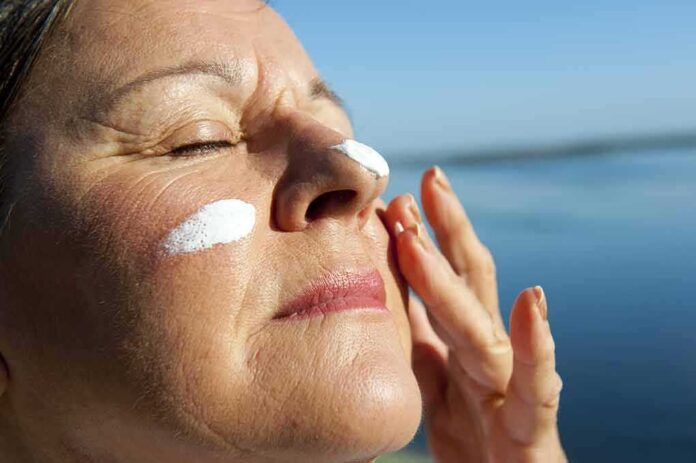
Daylight protection comes first. Ultraviolet light drives oxidative stress that hammers mitochondrial membranes and DNA. Daily broad-spectrum sunscreen, shade, and simple antioxidant care reduce that hit, so the cell engine spends more time building and less time damage-controlling. Evening is repair time. Good sleep, steady nutrition, and a calm inflammatory baseline help cells convert fuel into structure, not waste heat. None of this is trendy, yet it moves the needle every day.
A smart routine stacks simple wins. Start with strict sun defense and a basic antioxidant serum. Add a well-validated retinoid at night to cue turnover. If you use a red light panel, follow evidence-based wavelengths and times from clinical protocols, not influencer demos. If you consider Coenzyme Q10 or similar support, discuss dose and quality with a clinician. Build in patience. Skin renews in cycles measured in weeks. You cannot rush a fibroblast any more than you can rush a mason.
Bottom line: fix the power, and the surface follows
The most durable path to younger-looking, stronger skin starts inside the cell. Mitochondria set the pace for renewal by making adenosine triphosphate and managing stress responses. The literature backs targeted support with light, antioxidants, and disciplined habits, while reminding us that marketing often outruns trials. Keep the focus on the engine, protect it from daily hits, and give it the inputs it needs. The mirror will report the results in due time.
Sources:
mindbodygreen.com, academic.oup.com, mdpi.com, nature.com, pubmed.ncbi.nlm.nih.gov, pmc.ncbi.nlm.nih.gov