When the nation’s most famous TV doctor steps behind the White House podium to talk about Trump’s health, government fraud, and cut‑rate drugs in one sitting, you are not watching a routine press gaggle—you are watching a stress test of how modern power sells “trust.”
Story Snapshot
- Dr. Mehmet Oz, now running federal healthcare programs, led a formal White House press briefing on Medicare, fraud, and drug prices.
- He simultaneously tried to calm speculation about President Trump’s repeated health exams by calling them “routine.”
- The administration used the event to pitch aggressive crackdowns on healthcare fraud and big promises on drug affordability.
How a TV Doctor Ended Up Running the Government’s Health Megaprogram
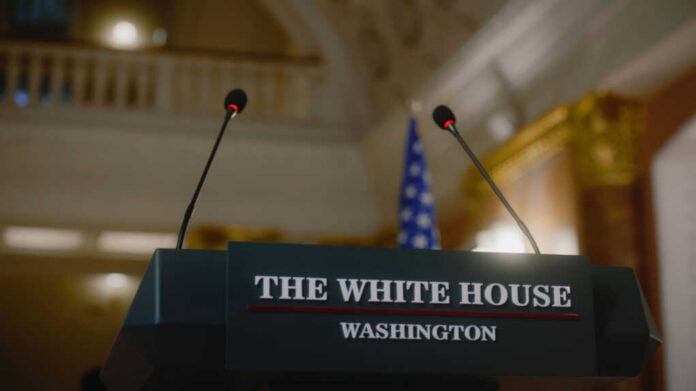
Dr. Mehmet Oz did not walk into that briefing room as a talk‑show host dropping in for ratings; he stood there as the Senate‑confirmed head of the Centers for Medicare and Medicaid Services, the agency that touches the healthcare of more than one hundred million Americans.[3][7] Video listings and live feeds from several outlets document him at the White House podium, formally introduced as the administrator and fielding questions from the press.[1][3][4][5] That matters, because when he talks policy now, he speaks with the force of the federal bureaucracy behind him, not just personal brand.
Multiple networks carried the briefing live, reinforcing that this was not a closed‑door policy seminar but a deliberately public performance of governing.[1][3][4][5] When the White House’s own feed briefly appeared and then became unavailable, it underscored a recurring pattern in modern politics: television archives stay searchable long after official channels quietly bury or rearrange content.[5][6] For citizens trying to understand what was promised, that means relying heavily on secondary recordings and descriptions rather than one definitive, official transcript.
Trump’s Health Message: Reassurance with a Statistical Glitch
On the question everyone gossips about but rarely sees documented—Donald Trump’s health—Oz chose one word that did a lot of work: “routine.” Coverage of his remarks notes that he downplayed the significance of Trump’s repeated exams, emphasizing that the checkups were ordinary and expected.[2] Yet those same descriptions point out Trump was on his third exam in just thirteen months, a schedule that deviates from the usual annual presidential physical.[2] That mismatch invites reasonable skepticism: if the cadence is unusual, calling it routine is more public‑relations framing than medical precision.
Americans have every right to demand clarity here. Presidents wield nuclear codes and sign trillion‑dollar budgets; voters do not need to know their cholesterol number, but they do deserve straightforward answers about functional fitness. Because no primary medical records or the actual White House physician memorandum are in the public packet for this briefing, the public is essentially asked to trust a politically appointed official’s calming tone without seeing the underlying chart.[6] That is a familiar Washington pattern and one that does not reward blind faith.
Fraud Talk: Cracking Down or Just Naming the Villains?
On fraud, Oz’s message played directly to a longstanding conservative instinct: the belief that massive government programs leak money to cheaters while honest taxpayers get the bill. The Fox News live listing framed the briefing around a “nationwide freeze on new Medicare enrollments” and a “sweeping crackdown on fraud,” signaling that the administration wanted headlines about toughness and cleanup.[1] Other listings echo the theme of addressing Medicare and Medicaid fraud in a highly visible way from the White House stage.[3][4] That storyline is politically powerful: clamp down on scammers, protect seniors, and shrink waste.
The problem, so far, lies in the evidence gap behind the rhetoric. The research collection mentions hot‑button examples—non‑emergency transport in Minnesota, hospices in California, medical equipment in Florida—but does not tie them to specific indictments, inspector‑general reports, or court cases. Without docket numbers or official summaries, those anecdotes function more like parables than audited facts. For citizens who want a smaller, more accountable government, real fraud enforcement should produce publicly verifiable results, not just talking points about “bad actors” on cable news.
Drug Prices and the Promise Factory of Washington
When Oz pivoted to drug affordability, he stepped squarely into America’s dinner‑table frustration: seniors paying more at the pharmacy than for their first car. Briefing summaries and surrounding coverage describe him touting initiatives on drug pricing and affordability as core administration achievements.[1][3][4] Campaign‑style claims include “most favored nation” pricing ideas, hundreds of drugs showcased on a Trump‑branded website, and projections of gigantic multibillion‑dollar savings for patients. For an audience hammered by years of rising costs, that pitch lands emotionally before anyone checks the math.
Yet, again, the underlying documents are missing from the public package that tracks this specific briefing. There is no Council of Economic Advisers study attached, no Centers for Medicare and Medicaid Services rule text, no participation contracts from the pharmaceutical companies supposedly lining up to offer deals. One especially concrete promise—that certain popular weight‑loss medications would be available to Medicare beneficiaries for fifty dollars a month starting on a set summer date—appears in coverage without the governing rule or detailed eligibility criteria. In a town where rosy projections often outrun reality, citizens should treat such claims as promissory notes that must be cashed later, not as instant deposits in their bank accounts.
Why This One Briefing Matters Beyond the News Cycle
This single event crystallizes a larger tension in American self‑government. On one side, you have a media‑savvy doctor elevated to run a gigantic health bureaucracy, using the White House podium to convey confidence on three volatile fronts: a president’s health, the honesty of vast entitlement programs, and the affordability of life‑changing drugs.[1][2][3][4][5] On the other side, you have a sparse public record: scattered video clips, brief network descriptions, and a White House page that lists related items but not a clean, searchable transcript.[6][7] In that vacuum, partisans on both sides can spin wildly different stories from the same cameras.
For older Americans who have seen more Washington cycles than they care to remember, the practical question is simple: did this briefing make you more informed or just better managed? If the government wants you to trust that Trump’s health is fine, that fraud is getting crushed, and that drug prices are coming down, it should back those claims with hard, accessible documents. Until that happens, events like the Oz briefing remain what they look like on screen: polished performances that must still earn your belief one verifiable fact at a time.
Sources:
[1] YouTube – Trump’s health, fraud, drug pricing and more at center of Dr. Oz White …
[2] YouTube – CMS Admin Dr Oz hosts White House media briefing
[3] Web – WATCH LIVE: Dr. Mehmet Oz holds White House press briefing
[4] YouTube – Dr. Oz downplays Trump’s repeated health exams as ‘routine’
[5] YouTube – CMS Administrator Dr. Mehmet Oz holds White House press briefing …
[6] YouTube – LIVE: Dr. Mehmet Oz holds press briefing at the White House
[7] YouTube – The White House Press Briefing with Dr. Oz