Bone loss isn’t the only thing putting women over 55 at risk of a broken hip — their muscles are quietly failing them too.
Quick Take
- Women lose bone mass fast in the years right after menopause, raising fracture risk significantly.
- Muscle weakness, known as sarcopenia, is now recognized as a major separate driver of dangerous falls.
- Weak lower-leg strength and poor balance predict falls even better than bone scans alone in some studies.
- Resistance and balance training, backed by dozens of clinical trials, cuts fall and fracture risk substantially.
Hidden Threat Topples Postmenopause Plans
Doctors have long tracked bone density in aging women, and the numbers are stark. After menopause, bone loss averages 2 to 3 percent a year for the first five to eight years before slowing to about 1 percent annually. Mayo Clinic notes that after age 50, men and women lose 1 to 3 percent of bone mass yearly, with older postmenopausal women facing the highest risk.
Johns Hopkins puts the human stakes plainly: weakened bones cause breaks in one of every two women over 50. That statistic alone explains why bone health gets so much attention from doctors treating women in midlife. But a second, less-discussed threat is compounding the danger, and it has nothing to do with bone density scans at all.
Why Muscle Loss Changes The Fall Equation
Merck Manual’s geriatrics reference states muscle weakness “of any type is a major predictor of falls,” and warns that sarcopenia, the medical term for age-related muscle loss, reduces the body’s natural ability to catch itself during a stumble. A weaker leg or core muscle can’t react fast enough to stop a trip from becoming a fall, and a fall in a woman with thinning bones can mean a fracture instead of a bruise.
A 2022 study of women being treated for osteoporosis found something striking. Poor proprioception, the body’s sense of where its limbs are in space, increased fall risk by 2.4 times. The researchers concluded that testing lower-limb strength and balance gave doctors a better read on fall danger than relying on bone scans alone. That is a meaningful shift in how clinicians should think about risk.
Canadian national health data backs up the pattern. Among adults 65 and older, women reported the large majority of falls, and researchers note older women face greater odds of osteoporotic fractures than men do. Bone fragility and muscle weakness aren’t competing explanations. They are two halves of the same problem, feeding off each other as women age past menopause.
What The Research Says Actually Works
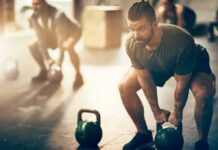
The encouraging news is that this isn’t a problem without a clear countermeasure. A 2023 review of 50 randomized controlled trials found that resistance and impact training “consistently maximized bone strength, improved body strength and balance, and eventually reduced fall incidences” in women with osteoporosis and osteopenia. That is about as strong a body of evidence as exists in preventive medicine for this age group.
Major medical sources echo the same prescription. A clinical reference on osteoporosis recommends regular weight-bearing and resistance exercise paired with fall-risk changes around the home. Mayo Clinic advises a daily mix of weight-bearing, aerobic, muscle-strengthening, and non-impact movement. None of this requires exotic equipment or hours at a gym. It requires consistency.
A Practical Shift In How Women Should Approach Aging
For decades, bone health messaging centered almost entirely on calcium, vitamin D, and bone density scans. That focus was reasonable, but incomplete. The research now shows strength training and balance work deserve equal billing, not as an afterthought but as a frontline defense against the falls that turn fragile bones into hospital visits and lost independence.
Common sense says prevention beats treatment every time, and this is a case where the prevention is simple, affordable, and backed by real clinical trial data rather than trendy claims. Women over 55 don’t need a new diagnosis to act. They need to start lifting, balancing, and moving with the same seriousness they already give their bone density results.
The takeaway for women navigating this stage of life is straightforward. Bone density matters, but so does the muscle holding that skeleton upright and the balance keeping it off the floor. Addressing both, rather than just one, is what the strongest evidence now supports.
Sources:
mindbodygreen.com, health.yahoo.com, merckmanuals.com, pmc.ncbi.nlm.nih.gov, hhs.gov, www150.statcan.gc.ca