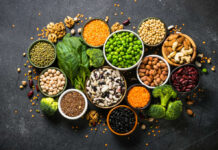
The supplements that could determine whether you thrive or merely survive in your post-50 years aren’t what most women think they are.
Story Overview
- Five key supplements can significantly impact longevity and quality of life for women over 50
- Creatine has moved from athlete-only to mainstream recommendation for muscle and bone health
- Protein needs increase dramatically after menopause, yet most women consume too little
- Traditional calcium and vitamin D remain crucial but work best as part of a comprehensive approach
- Leading medical institutions now prioritize these supplements based on mounting research evidence
The Creatine Revolution for Mature Women
Stanford Lifestyle Medicine shocked the wellness world when they began recommending creatine for women over 40. This supplement, once relegated to muscle-bound gym enthusiasts, now sits at the top of longevity lists from prestigious medical institutions. The research shows creatine delivers impressive benefits for muscle function, bone density, and even brain health in postmenopausal women, particularly when combined with resistance training.
The recommended dose of 3-5 grams daily represents a fundamental shift in how experts view aging. Rather than accepting muscle loss as inevitable, creatine supplementation offers women a science-backed tool to maintain strength and independence. The evidence supporting its use extends far beyond physical performance, with studies indicating potential cognitive benefits that become increasingly important with age.
Got a health question? Ask our AI doctor instantly, it’s free.
Watch:
The Hidden Protein Crisis After Menopause
Most women over 50 consume dangerously low amounts of protein, creating a perfect storm for sarcopenia and frailty. The standard recommendation of 0.8 grams per kilogram of body weight falls woefully short for maintaining muscle mass during hormonal changes. Leading researchers now advocate for 80-100 grams daily, with emphasis on high-leucine sources like whey protein that trigger muscle protein synthesis more effectively.
This protein deficit compounds other age-related changes, accelerating the loss of muscle mass that begins in the thirties and accelerates after menopause. The consequences extend beyond appearance, directly impacting metabolism, bone health, and the ability to recover from illness or injury. Women who prioritize protein intake alongside resistance training can dramatically alter their aging trajectory. Start your free women’s health consultation now.
Beyond Calcium: The Bone Health Evolution
While calcium and vitamin D remain foundational for bone health, the approach has evolved beyond simply preventing osteoporosis. Mayo Clinic recommendations now emphasize the synergistic relationship between these nutrients and other factors like magnesium, vitamin K2, and weight-bearing exercise. The goal shifts from merely slowing bone loss to actively supporting bone quality and strength.
Vitamin D3 supplementation becomes particularly crucial as aging skin produces less vitamin D and many women spend insufficient time outdoors. The 600-800 IU daily recommendation represents a minimum, with many experts suggesting higher doses based on individual blood levels. The fat-soluble nature of vitamin D means timing matters, with absorption improving when taken with meals containing healthy fats.
Omega-3s: The Brain and Heart Connection
The cardiovascular and cognitive benefits of omega-3 fatty acids take on new urgency after menopause when estrogen’s protective effects diminish. EPA and DHA supplements offer targeted support for inflammation reduction, heart rhythm regulation, and brain function maintenance. The research consistently shows benefits for memory, mood, and overall cognitive performance in older adults.
Quality matters significantly with omega-3 supplements, as oxidized fish oil can actually promote inflammation rather than reduce it. Third-party testing for purity and potency becomes essential, along with proper storage to prevent rancidity. The investment in high-quality omega-3s pays dividends in reduced disease risk and improved quality of life as women navigate their later decades with sharper minds and healthier hearts.
5 Supplements Women Over 50 Should Prioritize for Longevity – EatingWell https://t.co/tgy2ro3rtW
— Janice (@TheHealthProf) December 3, 2025
Discover personalized women’s health solutions.
Sources:
Stanford Lifestyle Medicine – Top 6 Supplements for Women 40+
Mayo Clinic – Healthcare for Women over 50: Prioritizing Wellness at Every Stage
PMC – Nutritional Supplements for Healthy Aging: A Critical Analysis Review
UCHealth – Dietary Supplements: Are They Beneficial or a Waste of Money?
WebMD – Aging Vitamins for Older People