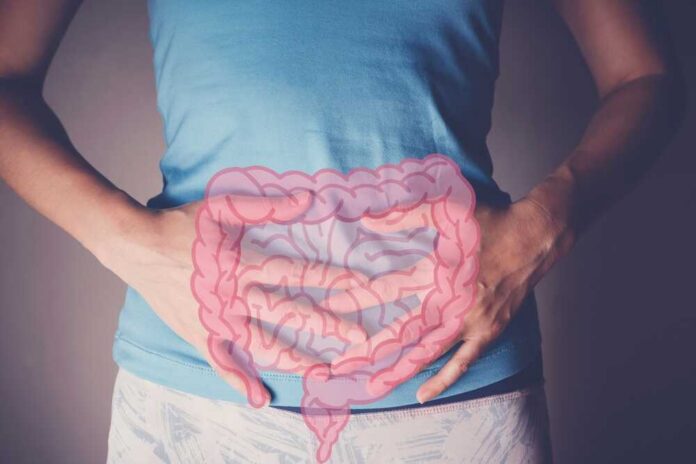
Menopause doesn’t just change your temperature and mood; it can rewrite the rules of your digestion almost overnight.
Quick Take
- Digestive symptoms show up in the vast majority of menopausal women, with bloating, constipation, stomach pain, and reflux leading the list.
- Falling estrogen affects gut motility, gut-barrier integrity, and the makeup of the microbiome, which can amplify inflammation and metabolic risk.
- Research increasingly links menopause-related microbiome shifts to cardiometabolic changes such as waist gain, blood pressure, and cholesterol patterns.
- Many women report inadequate clinical support, which pushes self-management through diet, supplements, and stress reduction.
The Symptom Nobody Warned You About: A Gut That Suddenly Won’t Cooperate
Menopause has a reputation problem: it gets reduced to hot flashes and sleep drama. Research paints a broader picture. Digestive complaints are nearly universal in menopause, and they don’t always behave like classic “food intolerance.” Bloating can appear with the same meals you’ve eaten for decades; constipation can alternate with urgency; reflux can spike without obvious triggers. The takeaway is blunt: menopause can be a gut event, not just a reproductive milestone.
Menopause also creates a frustrating loop with the healthcare system. A large share of women who seek professional help report the support feels inadequate, which leaves them piecing together solutions from elimination diets, supplements, and trial-and-error fixes. If a life stage affects a billion women globally, clinicians should treat its GI fallout as expected, not mysterious. The gap between symptom burden and guidance is where confusion multiplies.
What Hormone Decline Does to the Gut: Motility, Barrier Function, and Microbiome Drift
Estrogen does more than regulate cycles; it supports intestinal repair and helps maintain the gut barrier, the thin, vigilant lining that keeps microbes and inflammatory molecules where they belong. As estrogen declines, that barrier can become less resilient. Add changes in gut motility, and the plumbing slows, gas lingers, and stool consistency shifts. This doesn’t mean menopause “causes” one single diagnosis. It means the physiology that used to keep digestion steady becomes less forgiving.
The microbiome piece makes the story more unsettling and more actionable. Multiple studies report that menopause correlates with lower microbial diversity and shifts in bacterial patterns, with postmenopausal microbiomes trending closer to those seen in men than in premenopausal women. Researchers have also reported lower levels of certain bacterial groups, including Firmicutes and Ruminococcus, alongside pathway-level differences that hint the ecosystem’s chemistry changes. Translation: the gut environment itself can age in a new direction.
Why This Matters Beyond Bloating: Inflammation and the “Metabolic Cascade”
Digestive discomfort is only the first chapter. Mechanistic work has connected loss of ovarian hormones to increased inflammation and a higher risk profile for metabolic disease. Purdue-led research has described a cascade: hormone loss alters signals that can influence the microbiome, and the resulting changes may contribute to weight gain and metabolic dysfunction seen in many postmenopausal women. Correlation still matters when it’s consistent across studies and aligns with biology people can recognize in real life.
Researchers also link menopause-associated microbiome patterns with cardiometabolic markers such as waist circumference, blood pressure, and HDL cholesterol. That should sharpen your focus: a gut that feels “off” may travel with broader shifts in metabolism, not because you suddenly lost discipline, but because the underlying system got recalibrated.
Three Foods That Tend to Help: Feed the Gut, Don’t Fight It
Food fixes won’t replace medical care, but they can reduce friction in a gut made sensitive by hormone change. First: fermented foods such as plain yogurt or kefir (and, if tolerated, sauerkraut or kimchi). These can introduce live microbes and fermentation byproducts that support a healthier gut environment. Second: high-soluble-fiber foods like oats and beans; they feed beneficial microbes and can improve stool consistency, which matters when constipation is a headline symptom.
Third: omega-3-rich fatty fish such as salmon, sardines, or trout. Omega-3s support an anti-inflammatory dietary pattern, which fits the research direction pointing toward inflammation as a key downstream problem. These choices also tend to align with weight and heart-health priorities without “dieting theater.” The practical caution: increase fiber gradually and pair it with water; a sudden fiber surge can worsen bloating. If reflux dominates, watch meal timing and portions before blaming one ingredient.
What to Ask Your Clinician, and Where Self-Experimentation Can Backfire
Menopause-related GI symptoms deserve the same seriousness as any chronic quality-of-life issue. Ask directly whether hormone therapy is appropriate for you and how it might affect symptoms, bone health, and risk factors; research suggests hormone therapy can shift the gut microbiome in potentially beneficial ways. Also ask whether red flags warrant evaluation beyond menopause, including persistent pain, bleeding, unexplained weight loss, or progressive swallowing issues. Menopause explains a lot, but it doesn’t explain everything.
Self-experimentation backfires when it becomes extreme: cutting entire food groups, relying on supplements as a primary plan, or treating every symptom as “just stress.” Stress management can help, but it shouldn’t become a shrug. The more grounded path is boring in the best way: track symptoms, sleep, and bowel patterns; build meals around protein, fiber, and minimally processed foods; and revisit the plan every two weeks. Menopause doesn’t need panic, but it does demand strategy.
Sources:
Menopause and gut health: Women report widespread digestive symptoms and inadequate support
Estrogen, the gut microbiome, and intestinal barrier function in menopause
Menopause-associated gut microbiome changes and cardiometabolic risk profiles
3 ways menopause changes the gut microbiome
Postmenopausal gastrointestinal symptoms and irritable bowel syndrome severity
How menopause changes your gut microbiome