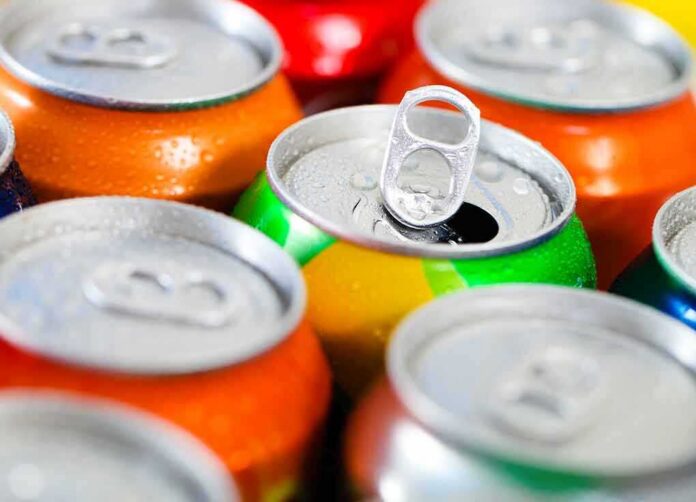
One in three teenagers now drinks energy drinks regularly, and pediatricians say there is no safe amount for a growing body to handle.
Quick Take
- Johns Hopkins researchers found nearly a third of teens ages 12 to 17 regularly drink energy drinks.
- Utah pediatrician Justin Alvey says 20 to 30 percent of teens in his own practice admit to regular use.
- Common side effects include weight gain, dental damage, stomach aches, anxiety, shakiness, and poor sleep.
- The Food and Drug Administration (FDA) and American Academy of Pediatrics both advise against energy drinks for kids and teens.
A Pediatrician Draws A Hard Line On Energy Drinks
Justin Alvey, a pediatrician and associate professor at the University of Utah School of Medicine, does not mince words about energy drinks and kids. He says no safe dose has ever been established for young, still-developing bodies. His advice is simple: skip them entirely. “Energy drinks really have no place for kids,” he told the Salt Lake Tribune, a blunt verdict from a doctor who sees the fallout firsthand.
Alvey’s warning is not theoretical. He estimates that 20 to 30 percent of the teenagers in his own practice admit to drinking energy drinks on a regular basis. Newer data suggests the problem has only grown. Johns Hopkins researchers now say nearly a third of teens ages 12 to 17 drink energy drinks regularly, a number that should worry any parent handing over grocery money.
The Everyday Symptoms Doctors See Most
Alvey’s bigger concern is not the rare headline-grabbing medical emergency. It is the slow drip of common problems he sees in exam rooms every week. He lists weight gain, dental damage from sugar and acid, stomach aches, anxiety, shakiness, and disrupted sleep as frequent complaints tied to regular use. These are not exotic risks reserved for extreme cases. They show up in ordinary teenagers drinking what they think is just a pick-me-up before school or practice.
Caffeine content is part of the problem, and it varies wildly from can to can. The FDA notes energy drinks commonly pack 54 to 328 milligrams of caffeine per 16 fluid ounces, far more than a typical soda. Some research puts the range even higher, up to 250 milligrams per 8 fluid ounces in certain products. A teenager chugging two cans may unknowingly consume more caffeine than several cups of coffee combined.
Regulators And Researchers Back The Caution
This is not just one doctor’s hunch. The American Academy of Pediatrics has told the FDA directly that medical experts advise against energy drinks for children and teens because of their sugar and caffeine levels. A 2013 letter to the agency went further, stating there is neither sufficient evidence of safety nor scientific consensus that high caffeine levels in these drinks are safe under their intended use. That is a striking admission for products sold openly on gas station shelves next to candy bars.
Peer-reviewed research backs up the pediatrician’s unease. A widely cited review found energy drinks are frequently linked to serious adverse effects, especially in children, teens, and young adults with underlying health conditions. Poison control data adds another layer, showing adolescents accounted for the highest share of intentional misuse among energy drink exposures reported to poison centers. These are not fringe outlier cases buried in footnotes. They are consistent findings across multiple independent sources.
What This Means For Parents Right Now
Sports medicine researchers tracking adverse event reports found 166 cases tied to energy drink consumption between 2004 and 2012, including 18 deaths. Those numbers are small compared to the millions of cans sold, but they land differently when the consumer is a 14-year-old with a developing heart and nervous system. Doctors are not claiming every can causes harm. They are saying the margin for error in young bodies is thinner than companies marketing these drinks let on.
For parents, the takeaway is straightforward and does not require a medical degree to act on. Energy drinks are not sports drinks, and they are not harmless caffeine with a flashy label. Pediatricians like Alvey are drawing a clear line based on decades of consistent warnings from regulators and researchers alike. Common sense says if the nation’s top pediatric and food safety authorities agree a product has no established safe dose for kids, it does not belong in a teenager’s backpack or lunch bag.
Sources:
youtube.com, uvpediatrics.com, healthcare.utah.edu, poisoncontrol.utah.edu, kutv.com, ksl.com, archive.sltrib.com