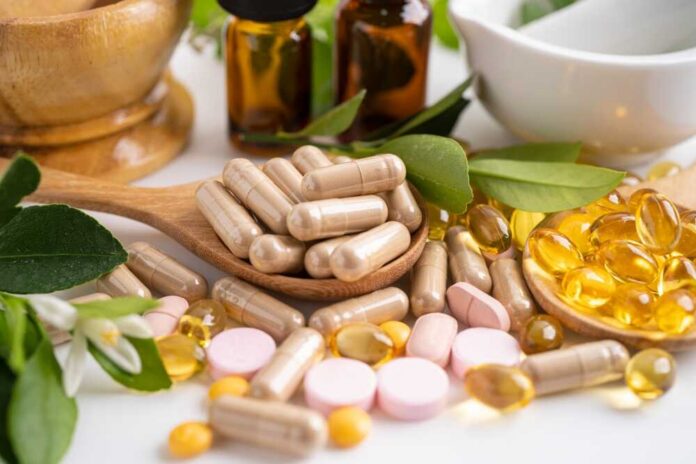
A daily probiotic capsule taken alongside an antidepressant may actually move the needle on depression and anxiety — and the evidence is stronger than most people realize, though not yet strong enough to replace a doctor’s advice.
Quick Take
- A pilot trial published in JAMA Psychiatry found that 49 adults with major depressive disorder who took a daily probiotic for 8 weeks improved more on depression and anxiety scores than those who took a placebo.
- The probiotic was added on top of existing antidepressants, not used as a replacement — that distinction matters enormously.
- A meta-analysis of 23 randomized trials found probiotics produced a large reduction in depression symptoms and a moderate reduction in anxiety symptoms across nearly 1,000 patients.
- Researchers are cautious: the best studies are still small, results depend heavily on compliance, and larger confirmatory trials are still needed.
The Gut-Brain Connection Is No Longer Fringe Science
For decades, the idea that bacteria in your gut could influence your mood was dismissed as wishful thinking. That view is changing fast. Researchers now call the communication pathway between the gut and the brain the gut-microbiome-brain axis. It runs in both directions. What lives in your intestines can affect how your brain regulates mood, stress, and inflammation. That biological reality is what makes the probiotic-depression research worth paying close attention to.
The question researchers are now pressing hard is whether you can deliberately shift that gut population with a daily supplement and actually feel better. The early answers are cautiously optimistic — but only under specific conditions that most headlines skip right over.
What the JAMA Psychiatry Pilot Trial Actually Found
The trial, led by researchers at King’s College London, enrolled 49 adults diagnosed with major depressive disorder who were already taking antidepressants but still had symptoms. Half took a 14-strain probiotic blend daily for 8 weeks. Half took a placebo. Both groups improved, but the probiotic group improved more, starting at week four. Participants in the probiotic group dropped an average of one full severity grade on two separate depression rating scales. Adherence was 97.2% by capsule count, and no one dropped out due to side effects.[1]
Those are genuinely encouraging numbers. A one-grade drop in severity is not trivial for someone who has been stuck at the same level of depression despite medication. The researchers described the results as promising and said the findings support moving to a larger, definitive trial. That language is important — promising is not the same as proven, and the authors were careful not to overstate their case.[1]
The Broader Research Picture Adds Weight, With Caveats
The King’s College trial did not stand alone. A separate randomized controlled trial published in Nature found that probiotic add-on treatment produced stronger reductions in depression scores than placebo, and that increases in Lactobacillus bacteria in the gut were directly linked to symptom improvement. The remission rate in the probiotic group was 55%, compared to 40% in the placebo group — though that difference only held in participants with high compliance.[4] That compliance finding is a real limitation. The benefit appears to require consistent, daily use, just like antidepressants themselves.
A 2024 systematic review and meta-analysis pooled 23 randomized trials covering nearly 1,400 patients and found that probiotics produced a significant, large reduction in depression symptoms and a moderate reduction in anxiety symptoms.[10] A separate meta-analysis of 34 controlled trials reached a similar conclusion, finding small but significant antidepressant and anti-anxiety effects — but only in people with diagnosed conditions, not in healthy people who just wanted a mood boost.[15] That distinction matters. Probiotics do not appear to be a general happiness pill. They may help people who are already clinically depressed.
Why This Is Not a Green Light to Ditch Your Prescriptions
Every serious researcher in this space is saying the same thing: probiotics show promise as an add-on treatment, not a replacement for antidepressants. The JAMA Psychiatry trial was a pilot study with 49 people. Pilot studies are designed to test whether something is safe enough and promising enough to study at larger scale. They are not designed to change clinical practice on their own.[1] A broader review of the last decade of research found that while most studies lean positive, a substantial number of studies showed insufficient results — and the field still lacks agreement on which strains, what doses, and which patients benefit most.[2]
There is also a real risk that supplement marketing runs ahead of the science. The probiotic used in the King’s College trial was a specific 14-strain commercial blend. That does not mean every probiotic on the shelf at your grocery store will do the same thing. Strain selection, dose, and product quality all matter, and those details rarely make it into the headlines. Anyone managing depression should talk to their doctor before adding a supplement to their routine, and no one should interpret this research as permission to stop prescribed medication.
The Signal Is Real Enough to Keep Watching
The honest summary is this: the gut-brain connection is real, the early trial results are more positive than skeptics expected, and the safety profile looks clean. But the research is not yet mature enough to call probiotics a standard treatment for depression. What makes this worth following is that the mechanism is plausible, the side effect risk is low, and multiple independent research teams are finding similar signals. The next few years of larger trials will either confirm this as a genuine clinical tool or reveal that the early results were too good to hold up. Either way, the answer matters for the tens of millions of people whose antidepressants are not fully working.
Sources:
[1] Web – A daily probiotic may help relieve depression and anxiety
[2] Web – Acceptability, Tolerability, and Estimates of Putative Treatment …
[4] Web – The Influence of Probiotic Supplementation on the Severity of …
[10] Web – Exploring the mechanisms of action of probiotics in depression
[15] Web – Probiotics an effective adjunct to antidepressants for major …