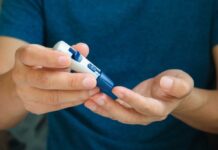
Cinnamon, a spice sitting quietly in your kitchen, might just be the key to managing blood sugar levels.
Story Snapshot
- Cinnamon may modestly improve blood sugar control, especially for prediabetics or those with type 2 diabetes.
- A 2003 study found cinnamon reduced fasting glucose by up to 29% in type 2 diabetes patients.
- 2020 research showed a reduction in fasting plasma glucose in prediabetics with cinnamon intake.
- While promising, cinnamon’s effects are not definitive and should not replace standard diabetes therapies.
Exploring Cinnamon’s Potential
Cinnamon has been a staple in traditional medicine for centuries, known for its digestive and metabolic benefits. Modern science began exploring its antidiabetic potential in the early 2000s, revealing that cinnamon could enhance insulin receptor activity and increase glucose uptake. A pivotal 2003 study demonstrated significant glucose reductions in type 2 diabetes patients consuming cinnamon, sparking widespread interest and media coverage.
Despite these findings, subsequent trials yielded mixed results. While some studies confirmed cinnamon’s ability to lower fasting plasma glucose, others found no significant impact on long-term glycemic indicators like HbA1c. This inconsistency has fueled ongoing debates in the medical community about cinnamon’s clinical utility and optimal dosing.
Recent Developments in Cinnamon Research
In recent years, the focus has shifted to refining our understanding of cinnamon’s mechanisms and effects. A 2020 randomized controlled trial highlighted its potential in prediabetes management, showing improved glucose tolerance with 500 mg of cinnamon taken thrice daily. These findings support the notion that cinnamon could serve as a complementary therapy alongside standard treatments.
However, medical institutions like the Mayo Clinic remain cautious. They acknowledge the spice’s potential benefits but emphasize that cinnamon should not replace conventional diabetes management strategies. Concerns about the safety of high-dose cassia cinnamon, which contains hepatotoxic coumarin, also persist.
Meet My Healthy Doc – instant answers, anytime, anywhere.
The Role of Cinnamon in Diabetes Management
As diabetes and prediabetes prevalence rise globally, there is a growing interest in low-cost, self-managed dietary interventions. Cinnamon, being inexpensive and widely accessible, fits this demand. However, the evidence supporting its use as a primary treatment remains inconclusive. While some clinicians may recommend cinnamon as an adjunct, they stress the importance of realistic expectations and adherence to established medical advice.
Watch:
In the context of economic and social impacts, cinnamon’s popularity could drive increased demand for supplements and safer Ceylon cinnamon, benefiting the spice and supplement industries. It may also reinforce the narrative that simple dietary changes can significantly impact health, empowering individuals to take proactive steps in managing their conditions.
Got a health question? Ask our AI doctor instantly, it’s free.
Looking Ahead: Cinnamon’s Future in Medicine
The future of cinnamon in medical practice hinges on ongoing research efforts. Scientists continue to investigate its efficacy, focusing on standardizing preparations and exploring the differences between Ceylon and cassia varieties. Larger, longer-term studies are needed to assess its impact on hard clinical outcomes, including diabetes progression and complications.
For now, cinnamon remains a promising, albeit supplementary, tool in the diabetes management arsenal. As our understanding evolves, it may one day find a more defined role in dietary recommendations. Until then, individuals should consult healthcare providers before making significant changes to their treatment plans.
Your instant doctor companion – online 24 hours a day.
Sources:
PMC6425402
Journal of the Endocrine Society
PMC3767714
Diabetes Care Journal
PLOS ONE
Mayo Clinic
USDA Agricultural Research Service
WebMD