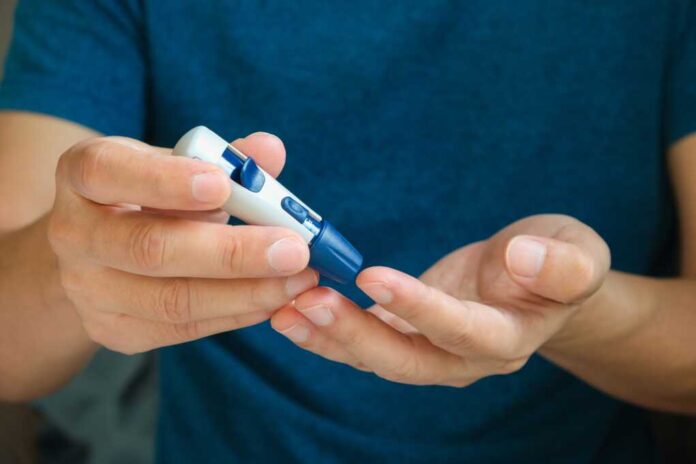
Is surgery the ultimate key to reversing type 2 diabetes, or can intensive medical treatments hold the line?
Story Overview
- Metabolic surgery is the most effective tool for diabetes remission, especially in obese patients.
- Non-surgical methods can also induce remission, particularly in early-stage diabetes.
- Recent medications are expanding the possibilities for non-surgical remission.
- Debate continues on the best treatment path combining surgery and advanced pharmacotherapy.
Assessing Surgery’s Role in Diabetes Remission
Type 2 diabetes, traditionally seen as a chronic condition, has been challenged by developments in bariatric surgery. Metabolic surgery such as Roux-en-Y gastric bypass and sleeve gastrectomy have shown to normalize glucose levels rapidly, often before significant weight loss occurs. This indicates profound metabolic changes that extend beyond mere weight reduction. Large studies and clinical trials have repeatedly demonstrated that surgical intervention offers superior remission rates compared to intensive medical therapies alone.
However, surgery comes with its own set of challenges, including upfront risks, costs, and limited availability. In contrast, medications and lifestyle interventions are more accessible but have historically delivered lower remission rates. The Swedish Obese Subjects study, along with randomized controlled trials like STAMPEDE, have been pivotal in establishing surgical benefits, showing that remission can be achieved in a significant percentage of patients undergoing these procedures.
Watch:
When is Surgery Truly Necessary?
The necessity of surgery for diabetes remission hinges on several factors. Patients with a higher body mass index (BMI), longer duration of diabetes, and additional comorbidities often see the most substantial benefits from surgery. Yet, evolving pharmacotherapies, including GLP-1 receptor agonists and SGLT2 inhibitors, are beginning to close the efficacy gap between surgical and non-surgical treatments. These drugs offer significant weight loss and glycemic improvements, enabling some patients to achieve remission without surgery.
Professional guidelines have started acknowledging diabetes remission as a realistic goal, advocating for a nuanced approach to treatment. For some, early intensive medical intervention might suffice, while others may benefit from the transformative effects of surgery. This dual approach caters to individual patient needs, considering both the degree of diabetes progression and the potential for lifestyle or pharmacological interventions to succeed.
Is Surgery Necessary to Reverse Diabetes? https://t.co/15gicua6or
— Frank Herd (@frankherdj) January 8, 2026
Got a health question? Ask our AI doctor instantly, it’s free.
Future Directions and Combined Strategies
Current developments suggest a future where surgery and pharmacotherapy are not seen as mutually exclusive but rather as complementary strategies. Combining metabolic surgery with advanced drug therapies may enhance and sustain glycemic control, offering a more robust framework for managing diabetes. This combination approach could mitigate the risk of weight regain and promote long-term remission, especially in patients with severe obesity and advanced diabetes.
As the medical community continues to explore these options, the potential for surgical and non-surgical treatments to coexist becomes more evident. For patients on the cusp of surgical eligibility, early and aggressive medical management may delay the need for surgery, providing a critical window for evaluating the effectiveness of non-invasive interventions.
Meet My Healthy Doc – instant answers, anytime, anywhere.
Weighing the Benefits and Risks
The decision to pursue surgery for diabetes remission is not solely a medical one; it involves a complex interplay of economic, social, and policy considerations. Surgery offers a potentially cost-effective solution by reducing long-term medication needs and diabetes-related complications. However, the high initial costs and surgical risks must be carefully weighed against these potential savings. Payer policies and healthcare coverage play a significant role in determining patient access to these interventions.
Ultimately, the choice between surgery and intensive medical treatment involves assessing individual patient profiles, risk tolerance, and long-term health goals. As new medications continue to emerge, the landscape of diabetes treatment is shifting, advocating for a personalized approach that leverages the strengths of both surgical and medical therapies.
Your instant doctor companion – online 24 hours a day.
Sources:
Source 1
Source 2
Source 3
Source 5