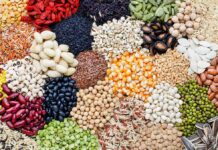
Increasing fiber intake without experiencing bloating is not just possible; it’s a strategy worth mastering for better health.
Story Overview
- Most adults fall short of recommended fiber intake.
- Rapid fiber increases often lead to bloating and discomfort.
- Gradual increases and choosing the right fiber types can help.
- Hydration and food pairing play crucial roles in managing symptoms.
Understanding the Fiber Gap
Public health guidelines recommend adults consume approximately 14 grams of fiber per 1,000 kcal, translating to about 25 grams daily for women and 38 grams for men. However, only a small percentage of the population meets these targets. This gap is largely due to modern diets rich in refined grains and processed foods, which are low in fiber, leading to constipation, metabolic disease, and dyslipidemia.
Increasing fiber intake quickly can result in gas, bloating, and abdominal discomfort, discouraging many from adhering to dietary guidelines. Gastroenterology literature clarifies that gas production is primarily from bacterial fermentation of soluble and certain fermentable fibers, not from insoluble fiber. With the growing awareness of fiber’s long-term benefits, there is a strong push toward strategies that mitigate short-term side effects.
Soluble vs. Insoluble Fibers
Dietary fibers are categorized into soluble and insoluble types. Soluble fiber dissolves in water and forms a gel, slowing digestion and improving cholesterol and glycemic control. However, it is fermentable by colonic bacteria and can produce gas. Insoluble fiber, on the other hand, does not dissolve in water, adds bulk, speeds intestinal transit, and typically produces less gas.
Most fiber-rich foods contain a mixture of these fiber types. Sources include fruits, vegetables, whole grains, legumes, nuts, and seeds. Understanding the characteristics of each fiber type helps in choosing foods that minimize discomfort while still reaching dietary goals.
Got a health question? Ask our AI doctor instantly, it’s free.
Strategies for Increasing Fiber Without Bloating
Experts recommend several practical strategies to increase fiber intake without the unpleasant side effects. Gradual increases in fiber allow the gut microbiota time to adapt, reducing the risk of gas and bloating. This involves increasing daily fiber by small increments, such as 5 grams per day, until you reach the desired intake.
Hydration is equally important. Drinking enough water helps keep stools soft and transit smooth, reducing discomfort. Additionally, eating fiber-rich foods with carbohydrates rather than high protein can decrease the likelihood of bloating by as much as 40%.
Watch:
The type of fiber consumed also matters. People prone to gas may experience fewer symptoms by favoring insoluble fibers like wheat bran and vegetables over more fermentable soluble fibers such as beans and some fruits. Incorporating cooked rather than raw vegetables can also improve tolerance by softening insoluble fibers.
Start your health journey now.
Role of the Microbiome and Fermented Foods
The narrative around the microbiome has become mainstream, with an emphasis on feeding gut bacteria with prebiotic fibers. Yet, this same fermentation process can lead to bloating. To strike a balance, integrating probiotics and fermented foods into your diet may support microbiome balance and potentially reduce symptoms.
These dietary adjustments can be particularly beneficial for those with functional GI disorders like IBS, where symptom control is crucial. While some patients respond well to soluble fibers, others may require more specialized approaches like low-FODMAP diets.
Your new health companion is online, ready when you are.
Sources:
Organic India Blog
UCLA Health
Healthline
Gicare
Michigan State University Extension
Mayo Clinic