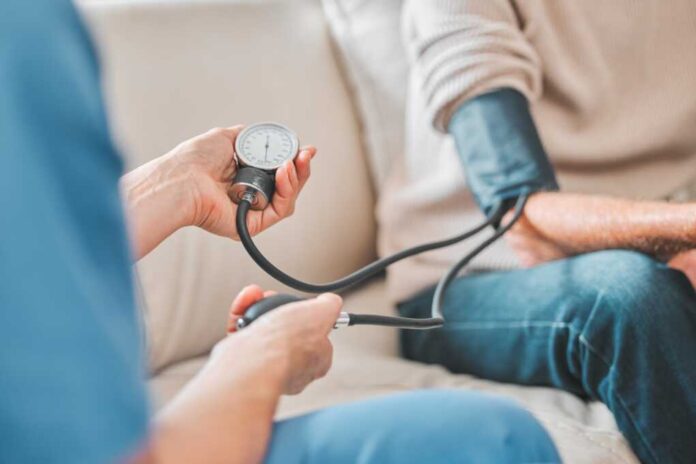
The silent killer lurking in your arteries could be destroying your organs right now, yet millions of Americans ignore the one simple measurement that could save their lives.
Story Overview
- Blood pressure serves as the most critical health metric, yet remains widely undermonitored despite being called the “silent killer”
- Systolic pressure (top number) predicts cardiovascular risk across all ages, while diastolic matters most for those under 50
- New guidelines lowered hypertension threshold to 130/80, making early detection and lifestyle changes more crucial than ever
- Simple home monitoring and targeted lifestyle modifications can prevent devastating damage to kidneys, eyes, heart, and brain
The Silent Destroyer Working Against You
Blood pressure operates as your body’s hydraulic system under constant stress. Unlike other health metrics that announce their presence with obvious symptoms, elevated blood pressure works silently, methodically damaging your organs while you remain completely unaware. This deceptive nature earned hypertension its notorious nickname as the “silent killer,” claiming more lives through heart disease and stroke than most people realize.
The measurement consists of two numbers that tell a complete story about your cardiovascular health. The systolic pressure, represented by the top number, captures the force against artery walls when your heart beats. The diastolic pressure, the bottom number, measures the pressure between heartbeats when your heart rests and refills with blood.
Understanding Your Numbers and What They Really Mean
Normal blood pressure registers below 120/80 mm Hg, but recent medical guidelines shifted the danger zone significantly lower. Healthcare professionals now classify hypertension as readings of 130/80 or higher, a change that immediately placed millions more Americans into the high-risk category. This adjustment reflects mounting evidence that even moderately elevated pressures cause long-term damage.
The systolic number deserves special attention as the strongest predictor of cardiovascular risk across all age groups. However, for individuals under 50, the diastolic reading provides equally valuable insights into heart health. These numbers work together to paint a comprehensive picture of your circulatory system’s efficiency and your risk for future complications.
Watch:
Meet My Healthy Doc – instant answers, anytime, anywhere.
The Technology Revolution Making Monitoring Effortless
Modern technology transformed blood pressure monitoring from a clinical procedure into a convenient home routine. Digital monitors deliver accurate readings within minutes, while smartphone apps track patterns and trends over time. Many devices sync automatically with health platforms, creating comprehensive records that reveal how lifestyle choices directly impact your cardiovascular health.
Regular monitoring at home provides more accurate assessments than occasional clinical visits. The familiar environment eliminates “white coat syndrome,” where anxiety artificially elevates readings in medical settings. Consistent home tracking reveals true patterns, enabling earlier interventions and more precise treatment adjustments when necessary.
Start your health journey now.
Lifestyle Strategies That Actually Work
Dietary sodium reduction stands as the most immediate and effective intervention for lowering blood pressure. The average American consumes double the recommended sodium intake, primarily from processed foods rather than table salt. Reducing sodium intake to below 2,300 milligrams daily can produce measurable improvements within weeks.
Regular physical activity strengthens the heart muscle, enabling it to pump more efficiently with less effort. Even moderate exercise like brisk walking for 30 minutes daily can reduce systolic pressure by 4-9 mm Hg. Weight management amplifies these benefits, as losing even 5-10 pounds can produce meaningful pressure reductions. Stress management through meditation, deep breathing, or other relaxation techniques addresses the often-overlooked psychological component of hypertension.
The Hidden Damage You Cannot Feel
Elevated blood pressure silently attacks multiple organ systems simultaneously. The kidneys, responsible for filtering waste and regulating fluid balance, suffer progressive damage that can lead to chronic kidney disease. The delicate blood vessels in your eyes become compromised, potentially causing vision problems or blindness. Your heart works harder to pump against increased resistance, leading to enlargement and eventual failure.
Brain damage occurs gradually as small blood vessels become damaged or blocked, increasing stroke risk and contributing to cognitive decline. This multi-organ assault happens over years or decades, making early detection and consistent monitoring absolutely critical for preventing irreversible damage and maintaining long-term health.
Your new health companion is online, ready when you are.
Sources:
https://www.menshealth.com/health/a69839669/blood-pressure-most-important-metric-to-track/