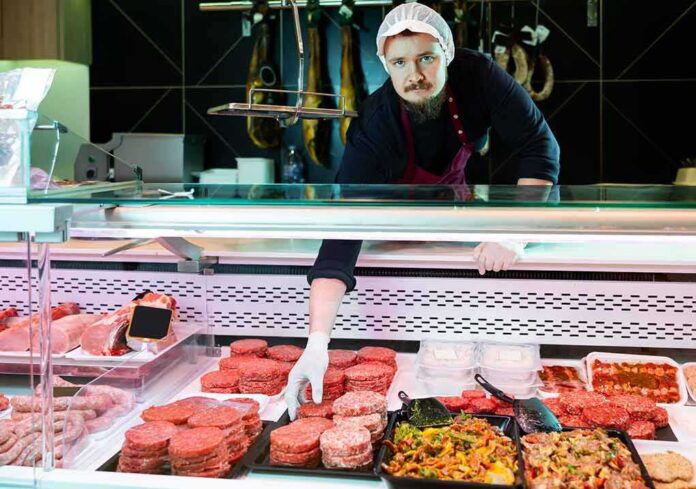
Shoppers can still buy U.S.-raised beef with confidence during the 90-day wave of tariff-free imports—if they know three simple label clues and one butcher question.
At a Glance
- Country-of-origin and “Product of USA” claims do not mean the same thing.
- USDA inspection is national; origin signals come from plant codes, labels, and brands.
- Tariff-free lean trimmings target ground beef only, for 90 days at 300,000 metric tons.
- Smart label checks and one quick butcher question separate U.S.-raised from imports fast.
What The Policy Actually Changes For Shoppers
President Trump approved a temporary increase in tariff-free access for lean beef trimmings used in ground beef. The move adds up to 300,000 metric tons for 90 days, and it is aimed at lowering prices during a tight supply window. That number applies to inputs for grinding, not your ribeye. Most impact will show up in chub packs and supermarket grind. The cuts case changes less. This is not a safety waiver. All imported beef still must pass United States Department of Agriculture inspection.
The facts are clear on scope: ground beef inputs, 90 days, capped volume. That narrows where you need to look. The hunt for origin begins in the grind aisle and at the service counter. If you want U.S.-raised, you can still get it. You just have to read labels like a pro and ask one direct question.
Decoding Labels: Four Fast Tells
Look for a clear “Born, Raised, and Harvested in the USA” claim on pack. That phrase signals the full life cycle here at home. A bare “Product of USA” can mean cut or processed here, even if the animal was raised abroad. Check the establishment, or “EST,” number near the inspection mark. A domestic EST number confirms U.S. processing; pair it with a full-origin claim for U.S.-raised. Scan for private labels tied to U.S. ranch programs. Many feature state seals or “ranch to retailer” stories.
Read the grind panel. Packages that state “Contains imported beef” or list multiple countries tell you it is blended. Some retailers add “single-origin” or “domestic only” on grinds made in-store. Ground beef with a date-and-time grind sticker from your store’s butcher is often made from trim on site. Ask the butcher: “Is this grind from U.S.-raised cattle only?” A good counter will know. If not, ask for a domestic-only grind from chuck or sirloin they can trace.
The One Question To Ask Your Butcher
Say this, word for word: “Can you grind me one pound from U.S.-raised chuck or sirloin only, please?” That request forces a traceable cut and a simple yes or no. If they agree, watch them select a labeled domestic cut and grind it. If they hedge, pivot to labeled domestic patties or branded programs that state “Born, Raised, and Harvested in the USA.” For bulk buys, ask for the box label or lot card. You want country-of-origin and the plant code. Keep it short and polite; get a clear answer.
For freezer planning, buy whole-muscle cuts with clear domestic origin and grind at home. A food processor or stand mixer with a grinder attachment works. Use chuck for balance, sirloin for lean, and brisket for rich blends. Label bags with cut, grind date, and fat guess. You control the origin, the flavor, and the freshness. That beats guessing on a mystery blend any day, tariff holiday or not.
Where Tariff-Free Beef Will Likely Appear
Expect blends labeled “90/10,” “93/7,” and other lean grinds to see the most change. The proclamation targets lean trimmings because the U.S. herd tends to run fattier; imports balance the mix for popular lean skus. Chub packs in the value case and fast-turn grind bins at big-box stores are the first stop for blended inputs. Service counters at regional grocers lean more domestic and can grind to order. Steaks and roasts see less impact than the grind wall.
Price signs might flash deals, but do not assume cheap means foreign. Processors decide how to route product. A high-value brand may keep all-domestic grinds to protect its story while a house brand adds imported lean to hit a price point. That is normal market behavior. The fix is the same: read for full-origin claims, check the EST number, and ask the counter to confirm. Common sense plus a 20-second check beats any rumor on your feed.
Bottom Line For Value, Safety, And Principles
Consumers should demand both value and transparency. The policy is narrow and temporary, by design, and targets a price pain point in ground beef. Ranch groups argue it pressures producers. That concern deserves a hearing, and it strengthens the case for crystal-clear labels and voluntary domestic-only options on every meat wall. American shoppers can reward U.S.-raised beef today with their dollars, while enjoying lower prices where they choose. Freedom works best when choices are honest and clear.