Eating more beans and less steak after age 50 is now linked to living longer, but doctors say older bodies still need enough protein to keep muscles strong.
Story Snapshot
- A study of over 400,000 adults 50 and older found those eating mostly plant protein had 13% to 24% lower risk of death from any cause.
- A nearly 20-year Japanese study of 71,000 people found high plant protein intake cut overall death risk by 13%.
- Swapping red meat or processed meat for plant protein showed some of the biggest drops in death risk in that same study.
- Experts warn older adults still need enough total protein and key nutrients to avoid muscle loss and frailty.
What The New Research Actually Found
Harvard Health summarized a major analysis tracking more than 400,000 Americans age 50 and up for over 16 years. People who got most of their protein from plants instead of red meat or eggs had a 13% to 24% lower risk of dying from any cause during the study period. The pattern held even after researchers accounted for other health factors, making it one of the largest protein-and-aging datasets reviewed to date.
The dose mattered too. Men who added just 10 grams of plant protein per 1,000 calories saw their death risk drop by 12%. A separate pooling of 32 studies covering more than 715,000 people found that each 3% boost in calories from plant protein corresponded to a 5% drop in premature death risk. Swapping eggs and red meat for plant sources lowered death risk by as much as 24% in men and 21% in women.
A Second Study Points The Same Direction
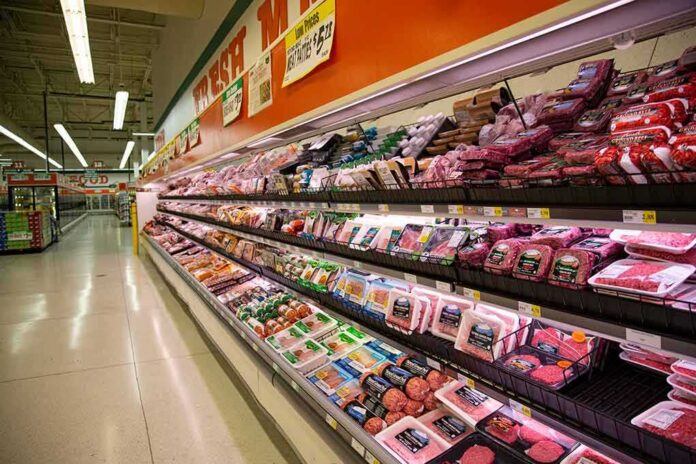
Reuters reported on a separate Japanese study following nearly 71,000 middle-aged adults for almost two decades. People eating the most plant protein were 13% less likely to die from any cause and 16% less likely to die from heart-related causes compared to those eating the least. The study also found specific swaps mattered. Replacing just 3% of red meat intake with plant protein was tied to a 34% lower risk of death from any cause, and swapping out 4% of processed meat lowered that risk by 46%.
A long-running Harvard-reviewed Japanese cohort reached a related but slightly different conclusion. After an average of 18 years, researchers found no clear link between how much animal protein people ate and how long they lived, while higher plant protein intake was tied to lower death rates. That distinction matters. It suggests plant protein may carry its own benefit, rather than simply reflecting the harm of eating less meat.
Why This Isn’t A Simple Green Light For Every Senior
None of these studies are controlled experiments. They track what people already eat and compare outcomes, which shows a strong pattern but cannot prove plant protein alone caused the lower death rates. Other healthy habits common among plant-protein eaters, like more exercise or better overall diet quality, could play a role too. That’s a reasonable caveat, not a reason to dismiss the pattern researchers keep finding.
A separate midlife cohort study found plant protein linked to a 46% higher chance of healthy aging for every 3% increase in energy from plant sources, including better physical function and mental health in older age. That’s an encouraging sign for anyone worried that cutting meat means losing strength. Still, researchers reviewing high-protein diets and kidney health caution that cutting protein too aggressively in older adults risks muscle loss, meaning more plant protein works best as part of a deliberate, well-planned diet rather than a blanket meat-cutting strategy.
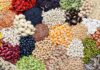
For readers over 40 watching their long-term health, the message lines up with common sense rather than fad-diet hype. Eating more beans, lentils, nuts, and soy, while trimming back red and processed meat, shows up again and again in large studies tied to longer life. The smart move isn’t abandoning protein as you age. It’s choosing better sources of it while making sure you still get enough to keep your body strong.
Sources:
chriskresser.com, sydney.edu.au, health.harvard.edu, equinox.com, healthcentral.com