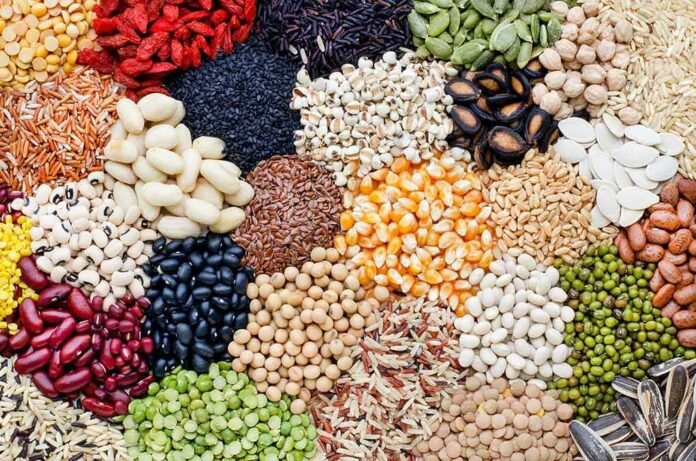
One YouTube creator turned the humble bean into a full nutrition showdown, sorting them into tiers like trading cards and letting the data decide the winners.
Quick Take
- Talon Fitness, a YouTube channel known for nutrient-based food rankings, released a video titled “Beans Ranked – Nutrition Tier Lists.”
- The video sorts common beans into tiers based on protein, fiber, calories, and micronutrient content.
- It builds on the channel’s larger library of similar rankings covering vegetables, seeds, and plant proteins.
- Online nutrition communities, including Reddit threads, point people to the video as a go-to resource for comparing beans.
A Simple Idea Turned Into A Viral Format
The video opens with a direct pitch: figure out which beans deserve a spot in your burrito bowl and which ones are just “canned calories.” That framing, pulled straight from the video description, sets the tone for the whole ranking. It is blunt, a little funny, and easy to share, which helps explain why bean rankings keep getting passed around nutrition forums.
Talon Fitness did not invent the tier list format, but applying it to groceries gives it a sticky, game-like feel. Instead of a dry spreadsheet, viewers get a leaderboard. That structure borrows from gaming culture, where tier lists rank characters from S-tier down to D-tier, and it translates surprisingly well to food, letting people see at a glance which beans earn top marks.
How The Rankings Get Built
Talon Fitness pulls nutrient numbers from the United States Department of Agriculture’s National Nutrient Database for Standard Reference, the same government dataset used across the channel’s other videos on plant proteins and vegetables. That database lets users search foods and sort them by specific nutrients, which gives these rankings a real data foundation rather than guesswork.
Still, a nutrient database does not rank foods by itself. Someone has to decide which numbers matter most, whether that is protein per calorie, fiber content, or micronutrient density. Outside nutrition writers echo this tension, noting that comparing legumes head-to-head depends heavily on serving size and preparation method, since a half-cup of cooked beans can look very different from a half-cup of raw ones.
Where Beans Actually Land In The Data
Separate nutrient breakdowns back up why beans earn attention in the first place. A half-cup serving typically delivers around seven to eight grams of protein and a similar amount of fiber, along with close to twenty percent of a person’s daily thiamine needs. Lentils, chickpeas, and black beans consistently show up near the top of outside rankings for their combination of protein, fiber, folate, and iron.
Some varieties go even further. Lupini beans, for example, pack sixteen grams of protein into just 120 calories per 100 grams, giving them one of the highest protein-to-calorie ratios of any legume measured. Edamame similarly stands out for offering a complete amino acid profile, something rare among plant foods. These outside figures line up with the kind of nutrient comparisons Talon Fitness’s video format relies on.
A Channel Built On Ranking Everything Edible
Beans are just one entry in a much bigger project. Talon Fitness has produced similar tier-list videos covering vegetables, seeds, and plant proteins broadly, each using the same per-100-gram comparison method and the same USDA data source. One vegetable-ranking video alone has pulled in over five million views, showing how much appetite exists for this kind of content.
The channel’s own creator has acknowledged gaps in the format, noting in the bean video’s follow-up notes that lentils probably deserved a spot on the list and would have landed in A-tier had they been included. That kind of transparency matters. It signals the rankings are treated as a living project, not a final verdict, and it gives viewers room to question placements without the whole method falling apart.
Why This Resonates With Everyday Eaters
Nutrition advice often arrives wrapped in jargon or buried in academic studies most people will never read. A tier list strips that away. Reddit users recommending the channel in cooking and nutrition threads describe it as a shortcut for figuring out which bean to buy without digging through spreadsheets themselves. That kind of word-of-mouth spread, from niche YouTube video to grocery-list reference, says something about how hungry people are for nutrition information that respects their time.
There is a common-sense appeal here worth noting. Government fiber intake data shows legumes remain one of the food groups Americans eat far less of than health guidelines recommend. A format that makes beans entertaining enough to rank, debate, and share could do more to close that gap than another dense pamphlet ever would. Turning dinner-table decisions into something closer to a game is a small but smart way to make good nutrition stick.
Sources:
youtube.com, reddit.com, vidiq.com, academic.oup.com, usda.gov, fdc.nal.usda.gov, sciencefocus.com, eathealthy365.com