99% of the world’s population breathes polluted air daily, yet eating more fruit could slash the damage to your lungs by up to 26%.
Story Snapshot
- Nearly 200,000 UK Biobank participants revealed fruit’s protective power against air pollution’s lung damage.
- Low fruit eaters lost 78.1ml in lung function per 5µg/m³ PM2.5 rise; high fruit eaters just 57.5ml.
- Women showed stronger benefits, linked to higher fruit intake than men.
- Antioxidants in fruit combat pollution’s oxidative stress and inflammation.
- A healthy diet bolsters lungs regardless of pollution levels.
Air Pollution’s Silent Assault on Lungs
Researchers presented findings at the European Respiratory Society Congress from UK Biobank data on 200,000 participants. They measured fruit intake against lung function via FEV1, the volume exhaled in one second. PM2.5, fine particulate matter from traffic and industry, drives oxidative stress that harms lung tissue. Every breath exposes lungs to these invaders. Low fruit consumers suffered steeper declines as pollution rose.
Fruit Intake Creates a Protective Shield
Participants eating ≤2 fruit servings daily dropped 78.1ml in FEV1 for each 5 micrograms per cubic meter PM2.5 increase. High consumers, ≥4 servings daily, limited drops to 57.5ml. This 26% relative protection stems from antioxidants like vitamin C and flavonoids. These compounds neutralize free radicals from pollution. Women benefited most, consuming more fruit on average. Men reported lower intake, diluting their observed gains.
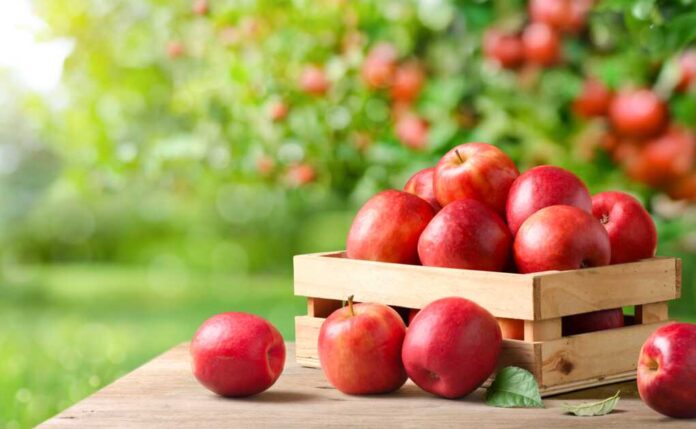
Apples, berries, and citrus deliver polyphenols that reduce inflammation. Pollution particles inflame airways, thickening mucus and restricting airflow. Fruit’s anti-inflammatory effects counter this directly. The study controlled for smoking, age, and exercise, isolating diet’s role. Results align with conservative values of personal responsibility—simple dietary choices empower health defense.
Watch:
Start your health journey in under a minute.
Why Women Outpace Men in Lung Protection
Men ate less fruit overall, per self-reports, explaining weaker associations in their data. Women averaged higher servings, amplifying benefits against PM2.5. Evolutionary biology suggests women prioritize nutrient-dense foods for family health, a pattern common sense affirms. Facts support this: higher female fruit intake yielded clearer FEV1 preservation. Pollution ignores gender, but habits determine resilience.
Common sense dictates men boost fruit to match these outcomes. No exotic superfoods needed—everyday produce suffices. This empowers individuals without relying on government mandates, resonating with self-reliant American principles.
Mechanisms Behind Fruit’s Power
Antioxidants quench reactive oxygen species from PM2.5 inhalation. These molecules damage lung cells, impairing elasticity. Fruit polyphenols inhibit this cascade. Anti-inflammatory agents further ease airway swelling. Beyond pollution, higher fruit diets correlated with better baseline lung function across all participants.
Trials reinforce this: vitamin C supplementation mimics fruit effects in polluted areas. Whole fruits outperform isolates due to synergistic compounds. Practical steps include adding two extra servings daily—bananas for potassium, oranges for C. Lungs recover incrementally, rewarding consistency.
Watch:
Get fast, reliable health advice from your AI doctor now.
Broader Implications for Daily Health
A healthy diet fortifies lungs independently of pollution. UK Biobank data showed consistent FEV1 gains from produce. Urban dwellers face chronic PM2.5; rural ones still benefit. Global 99% exposure statistic underscores urgency. Prioritize local, seasonal fruit for freshness and value.
Conservative wisdom favors prevention over cure. Stock kitchens with apples over processed snacks. Track FEV1 via spirometry apps for personal metrics. This study equips you to breathe easier amid inevitable toxins.
Your new health companion is online, ready when you are.
Sources:
https://www.sciencedaily.com/releases/2025/09/250928095620.htm
https://www.ersnet.org/news-and-features/news/eating-fruit-may-reduce-the-effects-of-air-pollution-on-lung-function/