The online craze telling you to “fibermaxx” your meals can either fix your gut or wreck your week, depending on how you do it.
Story Snapshot
- Fibermaxxing means loading your diet with much more fiber than most adults currently eat
- Done right, more fiber can help digestion, heart health, blood sugar, weight, and even cancer risk
- Done wrong, it can trigger gas, cramps, diarrhea, or, in rare cases, even blockages
- The smart move is not “infinite fiber,” but a slow, steady climb with real food and plenty of water
What “fibermaxxing” really is and why people your age care
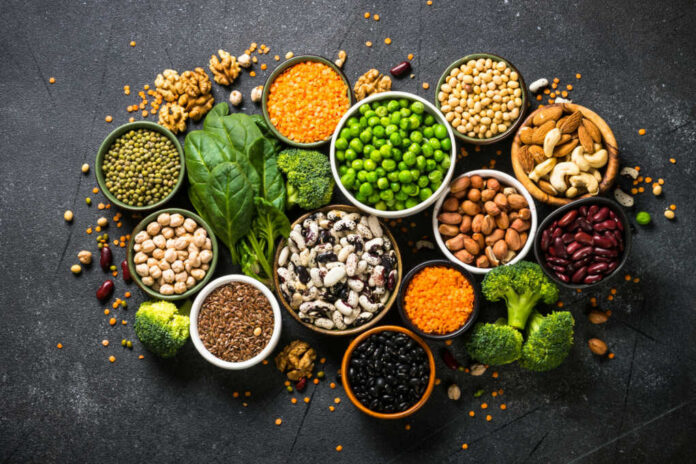
Fibermaxxing is the social media term for pushing your daily fiber intake up toward the high end of what experts consider reasonable, often past the usual 25 to 38 grams a day that guidelines suggest for adults.[2] Fans build plates around beans, lentils, whole grains, fruits, and vegetables to hit 40 to even 70 grams in a day.[1][4] For many people over 40 who fight constipation, creeping weight, and rising blood sugar, the sales pitch is simple: more fiber, fewer pills.
Doctors and dietitians like this trend more than most internet fads. They have pushed higher fiber for decades because it improves digestion, helps keep bowel movements regular, feeds healthy gut bacteria, and supports a more diverse microbiome.[5] Soluble fiber also lowers “bad” low-density lipoprotein cholesterol and helps smooth out blood sugar spikes.[5][7] That means fewer swings in energy and a lower long-term risk of heart disease and type 2 diabetes for many people who get serious about it.[1][7]
The upside: what higher fiber can realistically do for your health
When fiber ferments in your gut, it produces compounds that lower cholesterol, reduce inflammation, and help protect the lining of your colon.[1][7] Health systems link higher fiber intake with lower risk of heart disease, type 2 diabetes, obesity, and colorectal cancer.[1][5] High‑fiber foods slow digestion and help you feel full longer, which can support weight loss or make weight maintenance less of a fight.[2][3] For many adults, “maxxing” just means finally hitting the levels research has backed for years.
Soluble fiber, found in oats, beans, lentils, and many fruits, forms a gel with water and acts like a sponge in your gut. It binds cholesterol so your body can excrete it instead of absorbing it.[5][7] Insoluble fiber, more common in whole grains, skins, and many vegetables, adds bulk and keeps food moving through at a healthy pace.[5] Some experts suggest roughly twice as much insoluble as soluble fiber each day for a solid balance, such as 20 grams insoluble and 10 grams soluble if you aim for 30 grams total.[6]
The downside: where fibermaxxing can backfire badly
There is no official upper limit for fiber, but more is not always better. Hospital and university sources warn that jumping quickly from a low‑fiber diet to very high levels can cause real misery: bloating, gas, cramps, and general digestive discomfort.[3][8] Research shows that excessive fiber, especially without enough fluids, can lead to diarrhea or even intestinal obstruction in some people.[8] One health system notes that more than about 40 grams per day may trigger gastrointestinal problems for some adults.[3]
People with certain gut conditions face higher risk. Those with active inflammatory bowel disease, Crohn’s disease, or ulcerative colitis are often told to avoid high‑fiber diets during flares.[4] Anyone preparing for a colonoscopy is deliberately put on a low‑fiber plan so the colon is clear.[4] For these groups, treating fiber as a one‑size‑fits‑all “max it out” health hack ignores the reality that some bodies simply cannot handle that load, at least not all the time.
How to do it safely
Experts repeat one message: how you add fiber matters as much as how much you eat.[2][4][5] They suggest adding about five extra grams per week and letting your body adjust before you climb again.[4] That might mean an extra half‑cup of beans, a piece of fruit with skin, or swapping white bread for whole‑grain. Water is crucial because fiber needs fluid to move through your system; without enough, that same bulk that should help you go can leave you stuck.[4][8]
Most clinicians also push a “food first” approach. Whole foods like fruits, vegetables, oats, barley, beans, and lentils bring not only fiber, but also vitamins, minerals, and antioxidants in each bite.[4][5] Packaged “high‑fiber” snacks can help, but labels can hide very large doses in a single serving. If your gut blows up after a trendy bar that boasts more than 20 grams at once, your body is sending a clear message to slow down and spread that fiber through the day instead.[4]
How to decide what level is “healthy” for you
Most adults fall far short of even basic fiber targets, so for the average person, nudging intake upward is not risky, it is overdue.[2] Fibermaxxing is helpful when it really means “finally eating enough fiber, and maybe a bit more,” not treating fiber as a contest. If you are relatively healthy, raising your intake slowly toward the high end of the recommended range and perhaps beyond, while watching how you feel, is a reasonable experiment.[2][3]
If you have chronic digestive disease, a history of bowel surgery, or you notice sharp pain, severe bloating, or changes that worry you, you should stop the “maxxing” mindset and talk with your doctor instead. Online trends push extremes. Long‑term health rewards quiet, steady habits. For fiber, that means building every plate around plants, drinking enough water, and letting comfort, not internet bragging rights, decide where your “max” really is.
Sources:
[1] YouTube – Is “fibermaxxing” good for your health?
[2] Web – Is “Fibermaxxing” a Healthy Trend? | ColumbiaDoctors
[3] Web – Is fibermaxxing good for you? | Ohio State Health & Discovery
[4] Web – Fibermaxxing: Health Benefits, Risks, And How To Start
[5] Web – ‘Fibermaxxing’: Is More Fiber Always Better? – University Hospitals
[6] YouTube – What is Fibermaxxing? Experts Break Down the Benefits and Risks
[7] Web – Is ‘fibermaxxing’ a sound nutrition trend? – UCLA Health
[8] Web – Therapeutic Benefits and Dietary Restrictions of Fiber Intake – PMC