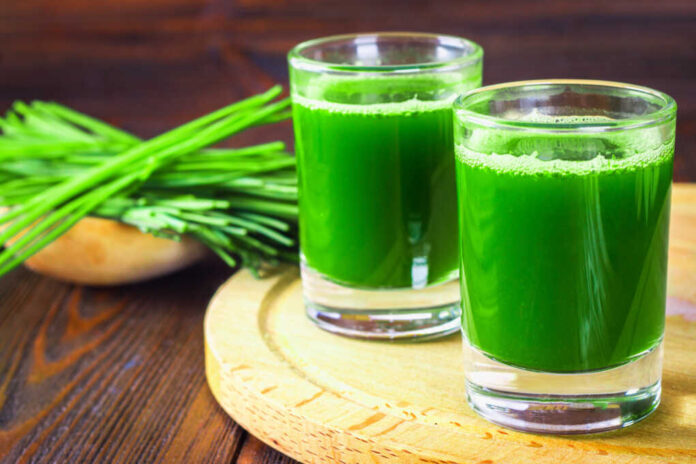
A different kind of detox trend has been quietly undermining traditional American food values—and it’s time people understand what’s really behind the green juice craze.
Story Overview
- Green juice trend emerged from leftist wellness culture, promoting expensive alternatives to traditional American nutrition
- Medical institutions confirm benefits but warn against fiber-free solutions that contradict common-sense eating
- $1 billion juice market exploits health-conscious Americans while promoting unsustainable dietary habits
- Simple home juicing offers affordable alternative to overpriced commercial wellness industry
The Wellness Industry’s Expensive Revolution
Green juice consumption exploded during the Obama years, coinciding with the rise of coastal elite wellness culture that pushed expensive, trendy alternatives to time-tested American nutrition. This movement, rooted in early 20th-century naturopathy, gained mainstream traction through celebrity endorsements and cold-pressed juice brands targeting urban consumers. The establishment of National Green Juice Day in 2015 formalized what many saw as another manufactured health trend designed to separate hardworking Americans from their money.
Commercial juice bars charge premium prices for what amounts to processed vegetables stripped of their natural fiber. Major chains promote “cold-pressed” methods as revolutionary, despite centrifugal juicing being available to American families for decades. The marketing apparatus behind this trend mirrors other elite-driven movements that promise transformation while ignoring fundamental nutritional principles our grandparents understood instinctively.
Medical Evidence Behind the Marketing Hype
Clinical studies reveal legitimate benefits that transcend wellness industry marketing. Research shows 3-day green juice protocols produce measurable weight loss and reduce lipid oxidation in participants. Plasma nitric oxide levels increased by 244% in subjects consuming vegetable juices, while microbiota shifted toward beneficial Bacteroidetes bacteria.
However, medical institutions like Mayo Clinic and Kaiser Permanente emphasize crucial limitations. Green juice lacks fiber, potentially causing blood sugar spikes that whole vegetables prevent. The digestive benefits may help post-surgery patients or those with sensitive stomachs, but healthy individuals gain little advantage over consuming complete vegetables.
Meet My Healthy Doc – instant answers, anytime, anywhere.
Fighting Back With Kitchen Independence
Patriots can reclaim control from the overpriced wellness industry through simple home preparation. A basic recipe combining 2 cups kale, 1 cucumber, 2 celery stalks, 1 apple, 1 lemon, and fresh ginger delivers anti-inflammatory compounds without commercial markup. Home juicing equipment pays for itself quickly compared to $12-15 juice bar prices, representing true economic independence from exploitative wellness marketing.
The key lies in understanding green juice as a supplement to, not replacement for, traditional American meals. Celery provides genuine anti-inflammatory compounds, while leafy greens deliver concentrated vitamins and minerals. Used strategically for hydration and nutrient density rather than trendy detox claims, green juice becomes a practical tool for health-conscious families seeking affordable nutrition options during inflationary times.
Start your health journey now.
Watch:
Sources:
Green Juice Benefits and Downsides
How to Celebrate National Green Juice Day
Effects of vegetable juice on cardiovascular disease risk factors
Green Juice 101: What Is It and Why Should You Drink It?
Fresh vegetable and fruit juice diet effects on microbiota and metabolic health
Ask a Doctor: Is Juicing Healthy?
Juicing: What are the health benefits?