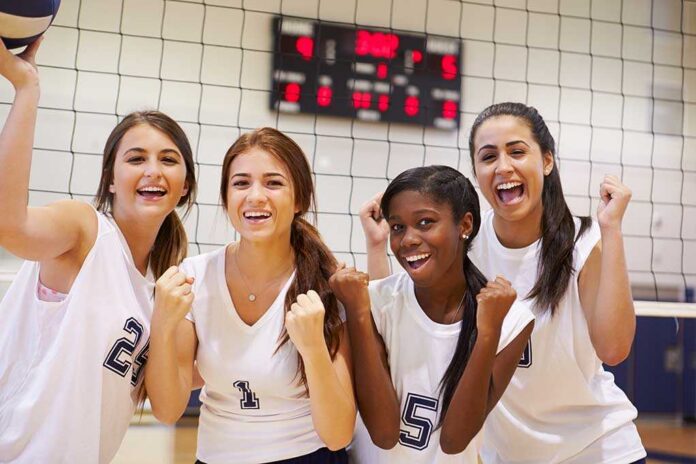
Girls who play sports are often trained like small boys, and doctors say that gap is costing them injuries and years of poor health.
Quick Take
- Experts say female athletes face specific risks like bone stress injuries and hormone-related mood problems that generic coaching often misses.
- Only about 9% of female high school varsity athletes get required injury-prevention training, compared to 50% of male athletes.
- Surveys show most coaches want to help but lack real training on menstrual cycles and female physiology.
- Women remain a small share of coaches worldwide, which may leave fewer role models who understand these issues firsthand.
A Known Health Risk Coaches Keep Missing
Doctors who study female athletes point to a pattern called RED-S, short for Relative Energy Deficiency in Sport. It happens when athletes burn more energy than they take in for too long. Doctor Kate Ackerman has explained that this can cause missed periods, weak bones, anxiety, and depression. Many coaches still tell athletes that missed periods are normal or fixable with birth control pills alone, she says. That gap in understanding is not rare. It shows up in injury prevention too. One 2023 study found only 9% of female high school varsity athletes must do neuromuscular training that protects their knees. For boys, that number is 50%. Female athletes tear their knee ligaments far more often than males in similar sports, yet fewer of them get the training built to stop it.
Coaches Know The Problem Exists, But Rarely Act On It
A survey of 463 coaches across 24 countries found most already see menstrual cycles, birth control, and pregnancy as topics worth discussing with athletes. That is progress. But knowing a topic matters is not the same as doing something about it in daily practice.
Newer research backs that up directly. One recent study found 45% of coaches never track their athletes’ menstrual cycles at all, and only 10% actually plan training around it. Coaches blamed a lack of knowledge, weak coach education, and no practical tools to use, not a lack of caring.
Athletes Want The Conversation, Coaches Often Avoid It
A study of German sports clubs found a wide gap between what female athletes want and what actually happens. Many athletes said they would gladly talk about their cycle with a coach, yet coaches rarely bring it up. A separate study of over 1,000 female athletes found most rated their own knowledge, and their coach’s knowledge, of menstrual health as poor or very poor. That same study found athletes trusted female coaches more and found them easier to talk to about these topics.
PremierEventsUSA is proud to welcome Dustin Salyers as our National Girls Flag Football Director!
With extensive coaching experience and five years leading national travel programs, Dustin will help expand opportunities for female athletes nationwide. 🏈#PremierEventsUSA pic.twitter.com/3QzepQMklv
— PremierEventsUSA (@PremierEventsUS) September 3, 2026
That trust gap matters because so few coaches are women. A 2025 look at every Women’s World Cup found women made up just 24% of head coaches across 34 years of the tournament. Globally, women make up only about 5% of all registered soccer coaches. Fewer female coaches likely means fewer coaches who have lived through the exact issues their athletes face.
A Solvable Problem, If Coach Training Catches Up
None of this means today’s coaches don’t care about their female athletes. Guidance documents already tell coaches to use plain, respectful language about periods and to have athletes track symptoms against training. The tools exist. What’s missing is wider adoption in coach certification programs and youth sports budgets, where winning games still tends to beat long-term athlete health as the priority.
Parents and youth sports leaders don’t need to wait for a new study to act. Asking whether a coach has any training on female-specific injury prevention or health topics is a fair question at any tryout. Given that only 33% of college athletes even know their school has an ACL prevention program, and just 45% ever got any education on the injury at all, the bar for asking questions is low. Fixing this starts with demanding better, not assuming someone else already has.
Sources:
womenssportsfoundation.org, tandfonline.com, journals.sagepub.com, pmc.ncbi.nlm.nih.gov, public-pages-files-2025.frontiersin.org