People following anti-inflammatory diets have three times lower dementia risk than those eating pro-inflammatory foods, according to groundbreaking research.
Story Highlights
- Anti-inflammatory diets reduce dementia risk by up to 300% compared to pro-inflammatory eating patterns
- Five powerhouse food categories—fruits, vegetables, legumes, fish, and tea/coffee—form the foundation of brain-protective eating
- People with diabetes and heart disease who eat anti-inflammatory foods show 31% lower dementia risk and larger brain volume
- Each one-point increase in dietary inflammatory score increases dementia risk by 21%
The Brain-Inflammation Connection Scientists Can No Longer Ignore
Chronic inflammation acts like a slow-burning fire in your brain, damaging cells and accelerating cognitive decline with each passing year. As we age, inflammation within our immune systems naturally increases, but researchers have discovered that certain foods can either fan these flames or extinguish them entirely. The dietary inflammatory index now provides scientists with a precise tool to measure how your food choices directly impact brain inflammation levels.
Studies tracking over 84,000 people reveal that those consuming anti-inflammatory diets average 20 servings of fruit, 19 servings of vegetables, 4 servings of legumes, and 11 servings of coffee or tea weekly. Their pro-inflammatory counterparts consume roughly half these amounts, setting their brains up for accelerated aging and increased disease risk.
Watch:
Five Anti-Inflammatory Food Categories That Protect Your Mind
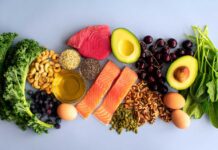
Berries lead the anti-inflammatory arsenal, particularly red and blue varieties packed with antioxidants that cross the blood-brain barrier. These colorful fruits contain flavonoids that reduce oxidative stress and promote neuroplasticity—your brain’s ability to form new connections throughout life. Green leafy vegetables like spinach deliver vitamin K and B vitamins that maintain neurotransmitter balance and support cognitive function.
Legumes provide high-fiber nutrition that modulates your gut microbiota, influencing the gut-brain axis in ways that reduce inflammation throughout your nervous system. Fish rich in omega-3 fatty acids deliver direct anti-inflammatory compounds to brain tissue, while cruciferous vegetables like broccoli contain compounds that protect against neurodegeneration. Tea and coffee complete this protective quintet, offering polyphenols that shield brain cells from inflammatory damage.
Watch:
Got a health question? Ask our AI doctor instantly, it’s free.
The Startling Brain Changes Visible on Medical Scans
Brain imaging studies reveal the physical impact of dietary choices on neural tissue. People with cardiometabolic diseases who follow anti-inflammatory eating patterns show significantly larger gray matter volume—the brain tissue containing most nerve cell bodies. These same individuals display lower burdens of white matter hyperintensities, which are visible markers of brain damage that increase dementia risk.
The contrast becomes stark when comparing brain scans of pro-inflammatory eaters, who show accelerated tissue loss and increased damage markers. Ultra-processed foods, red meat, and sugary beverages create inflammatory cascades that appear as measurable brain deterioration within just a few years of dietary tracking.
Get fast, reliable health advice from your AI doctor now.
Why Your Food Choices Matter More Than Genetics
Unlike genetic risk factors beyond your control, dietary modifications offer immediate, accessible intervention for brain health. The MIND diet—combining Mediterranean and DASH eating patterns—demonstrates that high adherence reduces Alzheimer’s disease risk by 53%, while even moderate improvements offer 35% protection. This represents prevention power rivaling many pharmaceutical interventions, achieved through grocery store selections rather than prescription medications.
Research consistently identifies the same protective foods across different populations and study designs, while harmful foods create identical inflammatory patterns regardless of genetic background. Your daily food choices literally reshape your brain’s inflammatory environment, either accelerating cognitive decline or building resilience against age-related neurodegeneration. The evidence suggests that what you eat today determines how clearly you’ll think tomorrow.
Start your health journey now.
Sources:
Inflammatory Diets Raise Risk of Brain Disorders – American Journal of Managed Care
Brain Anti-Inflammatory Nutrition (BrAIN) Diet – PMC
Anti-inflammatory Diet Associated with Lower Dementia Risk – American Academy of Neurology
Emerging Anti-inflammatory Foods for Brain Health – Frontiers in Nutrition
Anti-inflammatory Diet and Brain Structure – JAMA Network Open
MIND Diet Research – Harvard School of Public Health
Brain Food and Cognitive Functioning – IU Health
Anti-inflammatory Diet and Brain Health – Brain & Life Magazine