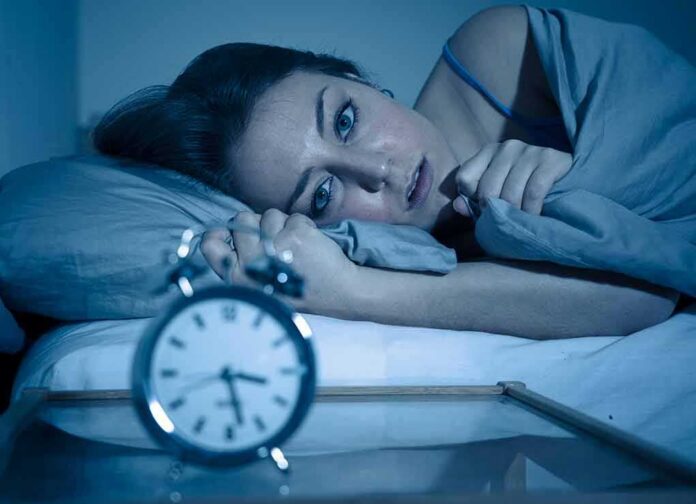
Women are not just “more anxious” about sleep; their brains, hormones, and daily burdens create a perfect storm that makes insomnia both more likely and more dangerous.
Story Snapshot
- Women have a clearly higher risk of insomnia than men across large population studies.
- Brain imaging shows sex-specific changes in women with primary insomnia, hinting at distinct neural wiring.
- Hormone shifts from puberty through menopause collide with caregiving stress and mood disorders to fuel sleepless nights.
- Chronic insomnia in women is tied to faster brain aging and higher dementia risk, making “just poor sleep” a serious brain health issue.
Why Women Lose More Sleep Than Men
Population data leave little doubt: women are more likely to struggle with insomnia than men. A meta-analysis of over twenty-two thousand people found women had about one and a half times the odds of insomnia compared with men, a difference that held across multiple studies and age groups. That gap is not just a bedtime complaint. It drives higher fatigue, more daytime impact, and more frequent use of coping strategies, from naps to sleep aids, that often backfire over time.
Clinicians once blamed this gap almost entirely on mood and hormones. There is truth there. Women carry more depression and anxiety, and these conditions strongly raise insomnia risk. Hormone changes during puberty, monthly cycles, pregnancy, and menopause all disrupt sleep timing and quality, and hot flashes, pain, and night sweats make staying asleep harder. But newer work shows that biology deeper than sex hormones, including brain connectivity and stress systems, also plays a key role.
The Female Brain Under Insomnia
Brain imaging has started to show that insomnia does not look the same in men and women. One study of women with primary insomnia found changes across several major brain networks, including the default mode, salience, central executive, and limbic systems, which help manage thinking, attention, and emotion. Other research reports wide sex differences in regional brain activity among people with chronic insomnia, with women showing more altered regions and patterns that fit a “hyperarousal” state.
Hyperarousal means the brain stays stuck in a mild stress mode, even at night. People feel tired but wired, with racing thoughts and a body that will not shut down. Studies in insomnia and sleep deprivation show this pattern more strongly in women, including reactivation in visual and emotional regions when they should be winding down.
Hormones, Caregiving, And The Double Shift
Biology does not act alone. Women tend to absorb more unpaid caregiving and housework, and they are more likely to get up in the night for children or older relatives. Many also work full-time, then come home to a second shift. That constant load pushes bedtimes later, shortens sleep windows, and raises pre-sleep arousal, the tense mental state that makes drifting off nearly impossible. When experts separate true insomnia from simple lack of sleep, they still find women overrepresented in the group who have the chance to sleep but cannot do it.
Mood disorders magnify this problem. Because the same brain chemicals that shape mood also regulate sleep, women with anxiety and depression are especially vulnerable to insomnia. One large study even found that once you factor in lifetime mental health diagnoses, most of the gender gap in insomnia symptoms can be explained. That does not mean insomnia is “all in the head.” It means that mental health, stress biology, and sleep circuits form a loop, and women are more likely to be caught in it.
When Sleepless Nights Become Brain Risk
Chronic insomnia in midlife and older age is more than a quality-of-life issue. A study in the journal Neurology reported that long-standing insomnia was linked to about a forty percent higher risk of dementia or mild cognitive impairment, equal to roughly three and a half years of extra brain aging. Related work shows structural changes in white matter and in regions like the precuneus and posterior cingulate, which are involved early in Alzheimer’s disease.
Some of these sleep-related brain changes appear stronger in women. Research from the ALFASleep project found that poor, fragmented sleep was tied to thinning in brain regions vulnerable to Alzheimer’s, and this link was more marked in women, even though they often slept longer on average. Reviews of sex differences in sleep and cognition now argue that female-specific brain and immune pathways, plus hormone receptor changes with age, may increase women’s vulnerability when insomnia is left untreated.
What A Serious Approach To Women’s Insomnia Looks Like
For years, many women reporting sleep problems were brushed off with simple advice or labeled as anxious without deeper testing. That pattern clashes with both the data and with a conservative respect for equal, evidence-based care. A serious approach starts with separating sleep deprivation from insomnia, screening women for hidden sleep apnea and mood disorders, and then addressing lifestyle, hormonal stage, and brain-level hyperarousal together.
This means practical steps that fit real life: protecting sleep windows as firmly as work hours, reducing evening caffeine and alcohol, and using cognitive behavioral therapy for insomnia rather than long-term sedative use. It also means doctors taking women’s complaints seriously, and women pushing for answers that look beyond “you are just stressed.” The science now makes one thing clear: when a woman cannot sleep, her brain is telling us something important—and listening early may be one of the best defenses against later cognitive decline.
Sources:
mindbodygreen.com, frontiersin.org, ellipse.prbb.org, facebook.com, michiganmedicine.org, neurology.duke.edu, medicalnewstoday.com, sciencedirect.com, nin.nl, biorxiv.org