Your morning coffee ritual might be handing you thousands of tiny plastic particles before you take your first sip.
Quick Take
- A peer-reviewed study found a single plastic coffee bag steeped in 95-degree water for five minutes can release over 10,000 microplastic particles into one cup.
- Single-use pods and plastic-lined disposable cups rank among the worst offenders for shedding plastic into hot drinks.
- Glass, stainless steel, ceramic, and moka pots are consistently named as lower-risk brewing options.
- Scientists have not yet set a clear health threshold, so the risk is real but not fully measured.
What The Lab Testing Actually Found
Researchers testing plastic drip coffee bags found something hard to ignore. Steeping one bag in near-boiling water for just five minutes released more than 10,000 microplastic particles into a single cup. That is not a trace amount. Heat clearly speeds up how fast plastic breaks apart and mixes into your drink, which is the core mechanism behind nearly every warning circulating about coffee gear today.
A separate market study backs this up outside the lab. Researchers testing beverages sold across the United Kingdom found microplastics in every single sample, with hot drinks like coffee and tea showing higher particle counts than cold ones. That result matters because it shows the problem isn’t limited to one unusual product test. It shows up broadly, across ordinary drinks people buy every day.
Pods And Disposable Cups Carry The Heaviest Load
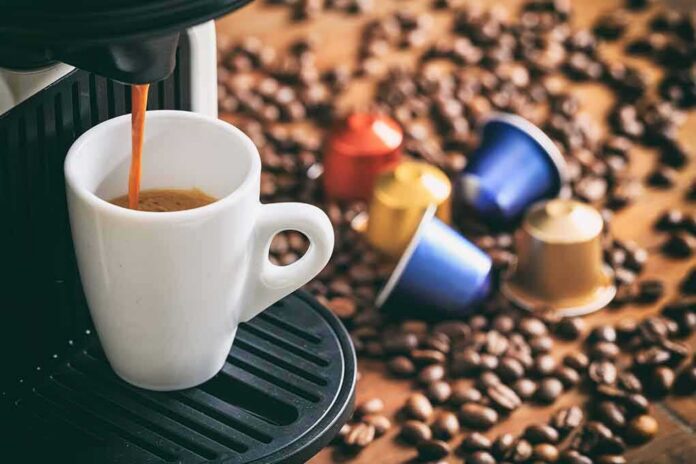
Not every brewing method carries equal risk. Single-serve plastic pods, the kind used in popular pod machines, are repeatedly flagged as the worst offenders, with some estimates suggesting they can release billions of nanoplastic particles into a single hot cup. Plastic-lined disposable to-go cups follow close behind, since hot liquid sitting against a thin plastic coating for even a few minutes accelerates the breakdown process.
Compare that to moka pots, French presses, and pour-over setups using paper or metal filters. These methods keep hot water away from plastic almost entirely, and multiple independent brewing guides rank them as the cleanest options available. The pattern is simple: less plastic touching hot water generally means fewer particles ending up in your mug.
Why Switching Your Brewer Makes Sense
If a specific mechanism is proven, heat plus plastic releasing particles, then removing that plastic from the equation should lower your exposure. A glass French press, a ceramic pour-over dripper, or a stainless steel moka pot simply cannot shed the same plastic fragments a pod or plastic-lined bag can. That is not speculation; it is basic material science backed by the drip-bag findings.
Coffee makers themselves add another layer of risk. Reservoirs, internal tubing, brew baskets, and plastic carafes inside many automatic machines sit in direct contact with heated water every single brew cycle. Choosing a machine built from glass or stainless steel components, or switching to a fully manual method, removes several of those contact points at once rather than just swapping out your pods or cups.
Where The Science Still Falls Short
No published study has yet brewed identical coffee side-by-side in plastic, glass, stainless steel, and ceramic equipment under matched conditions to measure the exact difference. Most current evidence comes from testing plastic bags, pods, and disposable cups in isolation, not from a controlled comparison against non-plastic alternatives. That gap does not disprove the concern, but it does mean firm numbers on how much switching actually helps are still missing.
There is also no established health threshold telling drinkers exactly how many particles per cup becomes dangerous. Researchers have measured particle counts and identified the release mechanism clearly, but connecting those numbers to specific health outcomes remains unfinished work. That uncertainty is worth remembering before treating every claim online as settled science, even as the underlying contamination mechanism holds up.
When a specific, testable mechanism, hot water breaking down plastic, has been demonstrated in a peer-reviewed lab setting, avoiding unnecessary plastic contact costs you nothing and carries a real potential benefit. Swapping a plastic pod machine for a moka pot or ceramic dripper is a low-cost precaution while researchers finish quantifying the actual health stakes.
Sources:
ratiocoffee.com, rapamycin.news