Daylight streaming through your office window stabilizes blood sugar better than any snack or gadget, revealing nature’s simplest metabolic hack for desk-bound warriors.
Story Snapshot
- Expose yourself to natural daylight during work hours to align circadian rhythms and cut glucose spikes effortlessly.
- Snack every 2-3 hours on protein-fiber combos like nuts or fruits to prevent energy crashes without meal prep drama.
- Incorporate micro-movements such as walking calls or chair exercises to lower post-meal spikes instantly.
- Adopt CGMs for real-time data, turning guesswork into precise workday upgrades.
- Hydrate relentlessly and add veggies to dodge vending machine temptations.
Sedentary Jobs Fuel Blood Sugar Chaos
Office workers face glucose spikes from prolonged sitting, stress, and skipped meals. Post-pandemic hybrid setups amplify screen time and irregular eating patterns. Vending machines and long hours trigger crashes that kill focus. American Diabetes Association guidelines since the 1980s stress balanced macros—carbs paired with protein and fiber—to steady levels. Workplace adaptations emerged in 2000s wellness programs, prioritizing prevention over pills. Common sense demands action against this metabolic sabotage.
Daylight Emerges as the Ultimate Low-Effort Lever
Recent Cell Metabolism studies link daytime window light to superior metabolic flexibility in type 2 diabetes patients. Natural light cues circadian rhythms, stabilizing glucose without effort. Desk workers gain insulin sensitivity by simply positioning near windows. This upgrade trumps snacks alone, as light exposure persists through the day. Experts note small study samples limit broad claims, yet data aligns with conservative values of leveraging free, natural solutions over tech dependency.
Smart Snacking Prevents Midday Crashes
Ultrahuman and Levels recommend snacking every 2-4 hours on nuts, fruits, protein bars, or overnight oats. Protein-fiber pairings slow carb absorption, sustaining energy. Prep desk-friendly options to counter vending traps. Wellness firms push adding veggies and water over restrictions. This tactic yields immediate focus gains, reducing fatigue. Long-term, it bolsters insulin sensitivity.
Micro-Movements Slash Post-Meal Spikes
Short walks during calls or chair exercises drop glucose spikes by moving muscles post-meal. Employers provide standing desks to cut sedentary risks, motivated by absenteeism drops. ADA accommodations since 1990 allow snack breaks via doctor’s notes. Hybrid work trends reinforce scheduling alarms for movement. These steps demand minimal disruption, delivering short-term stability and long-term diabetes prevention. Productivity surges follow, benefiting workers and bottom lines alike.
CGMs Empower Data-Driven Dominance
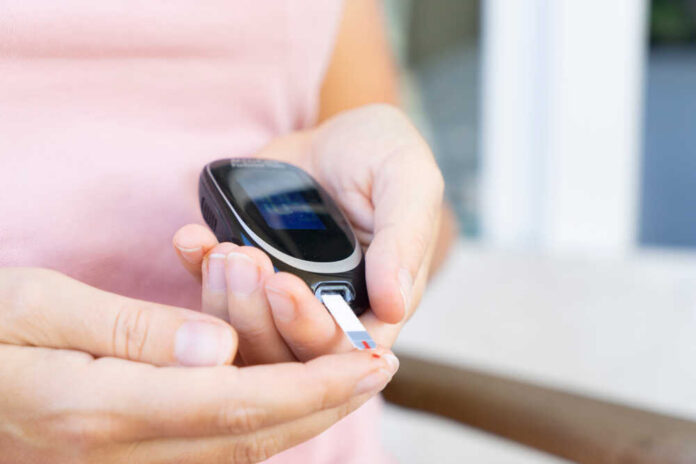
Health tech like Ultrahuman and Levels popularized CGMs post-2020 for real-time tracking in hectic jobs. Wearables reveal personal patterns, enabling tailored tweaks. Users experiment with meal timing, stress, and sleep for optimization. Market growth to $10B reflects corporate shift to metabolic health programs. Diabetes organizations prioritize packing meals alongside monitoring.
Broader Wins for Health and Economy
These upgrades cut U.S. diabetes costs exceeding $400 billion yearly while boosting workplace output. Globally, 2.5 billion office workers benefit, especially high-prevalence communities. Policies expand ADA protections, fostering self-sufficient employees. Wellness industry thrives on proven habits, not fads. Short-term focus improves; long-term risks plummet via circadian alignment.
Sources:
7 Tips To Keep Your Glucose Levels In Check During A Workday
Employee Wellness: Better Blood Sugar Balance
Managing Diabetes in the Workplace: Tips for a Healthier Work-Life
Could More Daylight During Workday Help Stabilize Blood Sugar
Manage Diabetes Even You’re Working Full-Time
The Best Workday Snacks for Metabolic Health